
One source, one fenced area
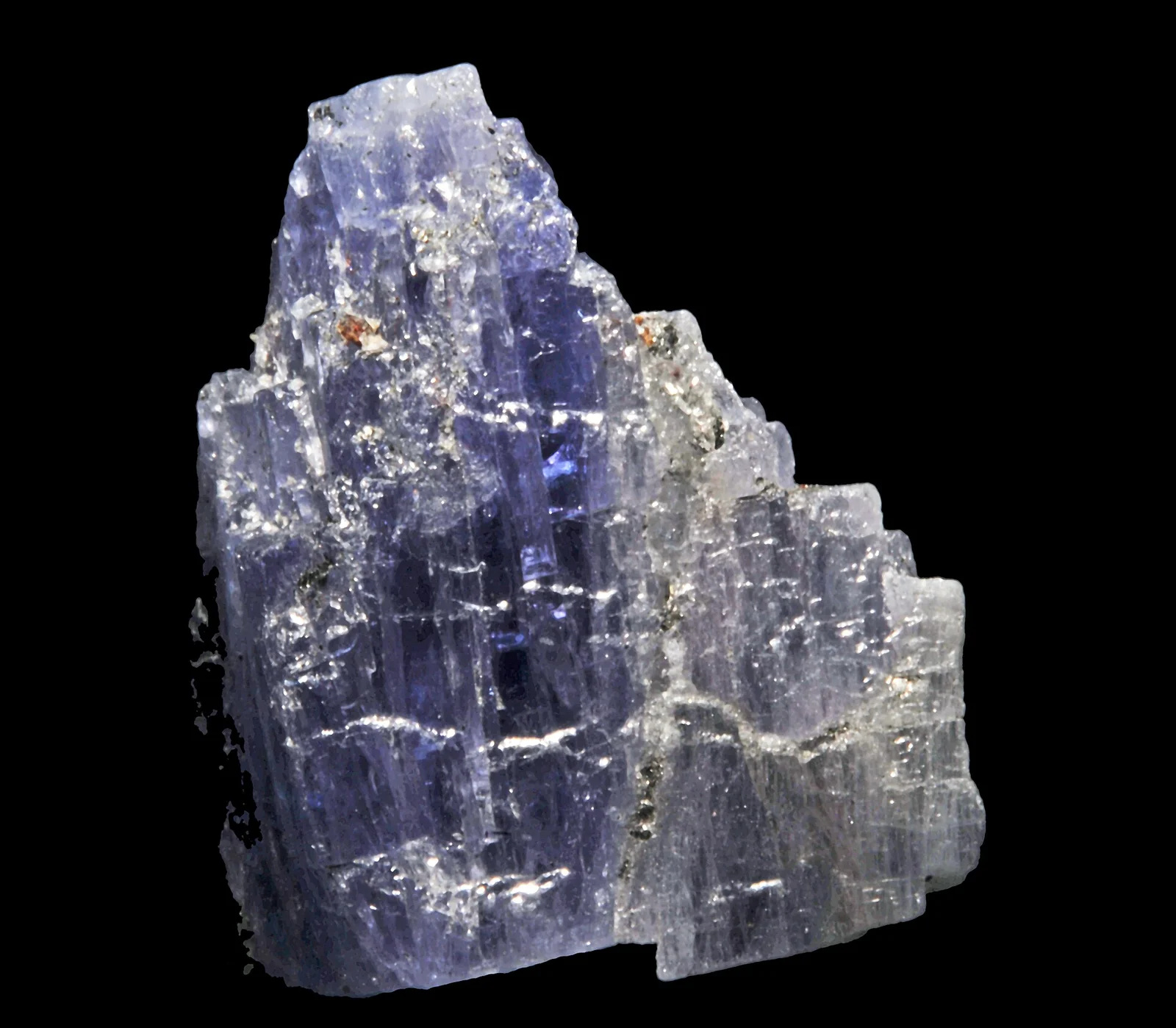
All tanzanite comes from the Mirerani area in the Manyara Region of northern Tanzania. The International Gem Society (IGS) calls the Merelani Hills the only known source and dates the discovery to 1967.
The mining area sits behind a security wall completed in April 2018, with 310 CCTV cameras and 573 security lights, according to African Mining Market. A mineral market opened at Mirerani in 2021.
The latest production figures
The government reported production of 274,634.32 grams of tanzanite worth 3.23 billion Tanzanian shillings for July to September 2026, the first quarter of the 2026/27 financial year. Resident Mines Officer George Kaseza briefed the parliamentary committee on energy and minerals during a visit to the mines.
At five carats to the gram, that weight equals about 1.37 million carats. The report does not break the figure down by quality.
Officials credited better oversight by the Ministry of Minerals and cooperation between mine owners and the Mirerani Mining Authority. Official tanzanite sales brought in about 148.07 billion shillings in government revenue in the 2025/26 financial year.
Auctions are back
The government reinstated mineral auctions. African Mining Market reports that 2,809.31 grams sold at a 15 May auction for small scale traders and 10,174.92 grams at a 21 May auction for large scale traders. A traders' representative praised the return of the auctions.
New rules announced in August
Minister for Minerals Anthony Mavunde announced a set of measures during a visit to Mirerani on 24 August 2026, as reported by The Respondents.
- Exploration
- Medium scale miners had two weeks to report on their investment in modern exploration technology. The President directed that 10 percent of mining sector revenue go to mineral exploration, with Mirerani a priority area.
- Production
- Major producers had two weeks to submit plans to increase output.
- Oversight
- Hard hats fitted with cameras record underground work, starting at Franone Mining and Gems before reaching other mines.
- Finance
- The Credit Guarantee Scheme Corporation is expected to help miners raise financing.
- Trading
- Dealers were warned against using foreigners to do business in breach of Tanzanian law.
Local miners asked for longer access. The chairman of the Manyara Regional Miners Association asked for the entrance gate to stay open 24 hours, since miners cannot bring equipment in after 6 pm.
What it means for buyers
Tighter oversight and official auctions create a clearer paper trail for rough tanzanite. That helps responsible buyers who want to know a stone left Tanzania through legal channels.
The single source has not changed. IGS notes that large clean rough is extremely scarce, so size and colour still set the price of a fine stone.
The stone itself is the same as ever. IGS says nearly all tanzanite is heated to roughly 500 to 600 degrees Celsius to turn its natural reddish brown into blue or violet, and calls the result stable. It also notes perfect cleavage, which makes tanzanite better for pendants, earrings and careful wear.
Choosing a stone
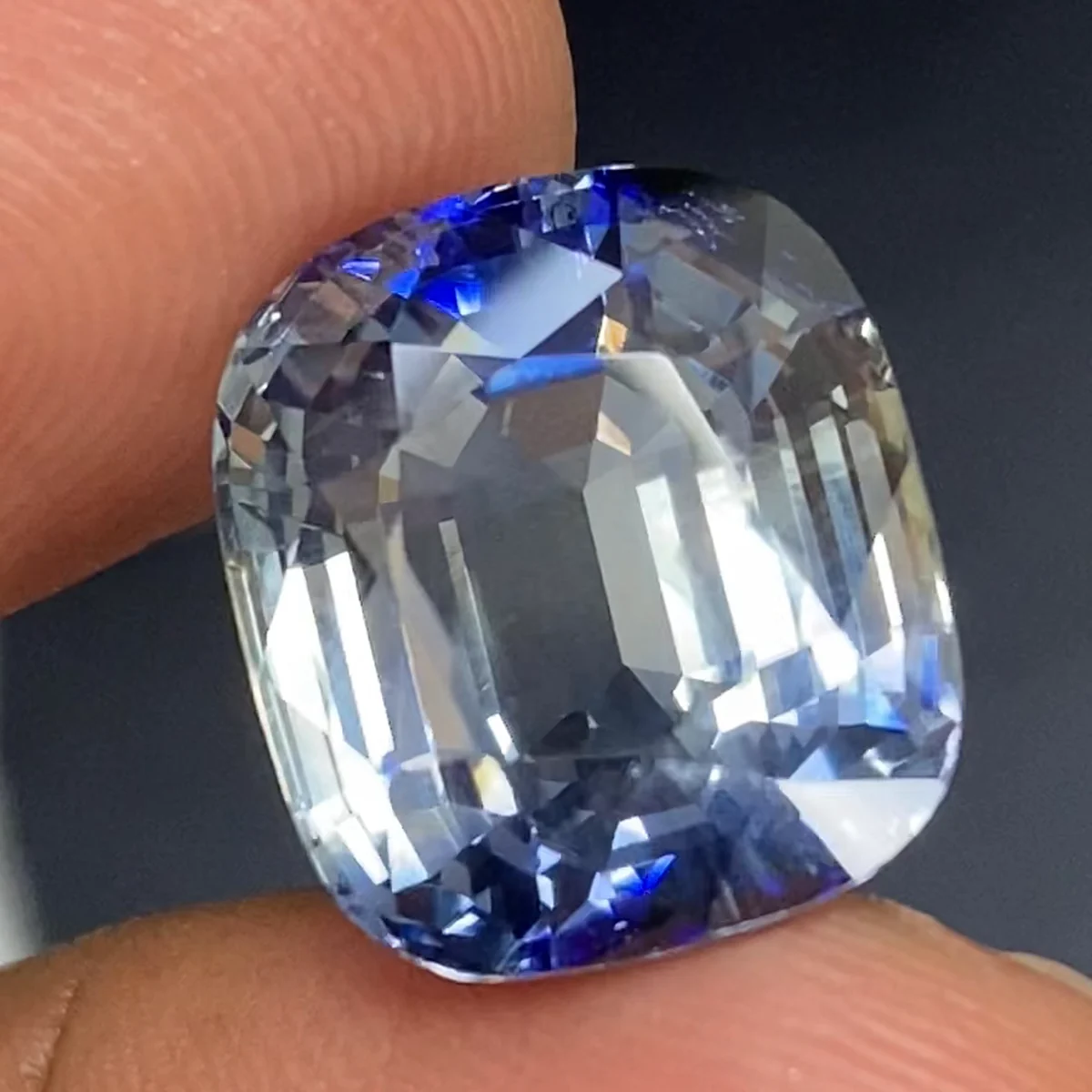
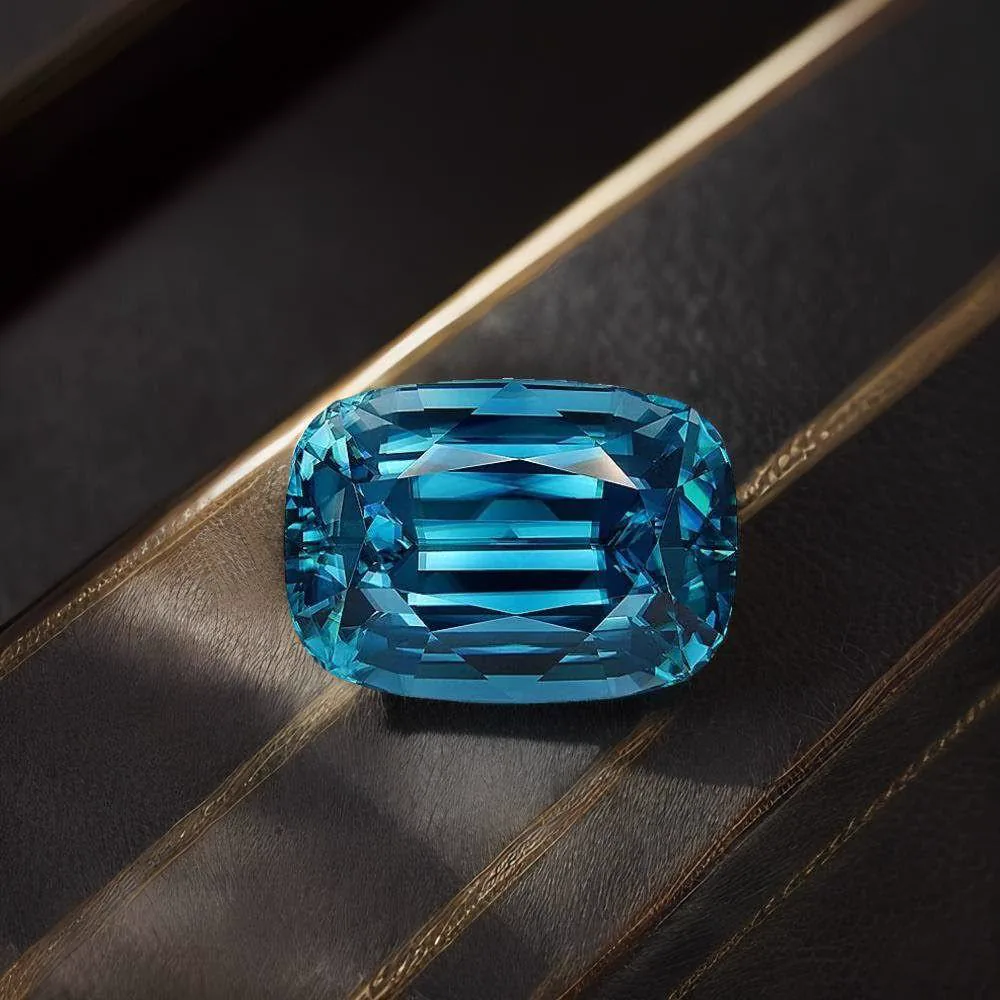
IGS says the market prefers medium dark blue violet and values more blue over more violet. Look at the stone in daylight and turn it, because tanzanite shows blue, red violet and yellow green in different directions.
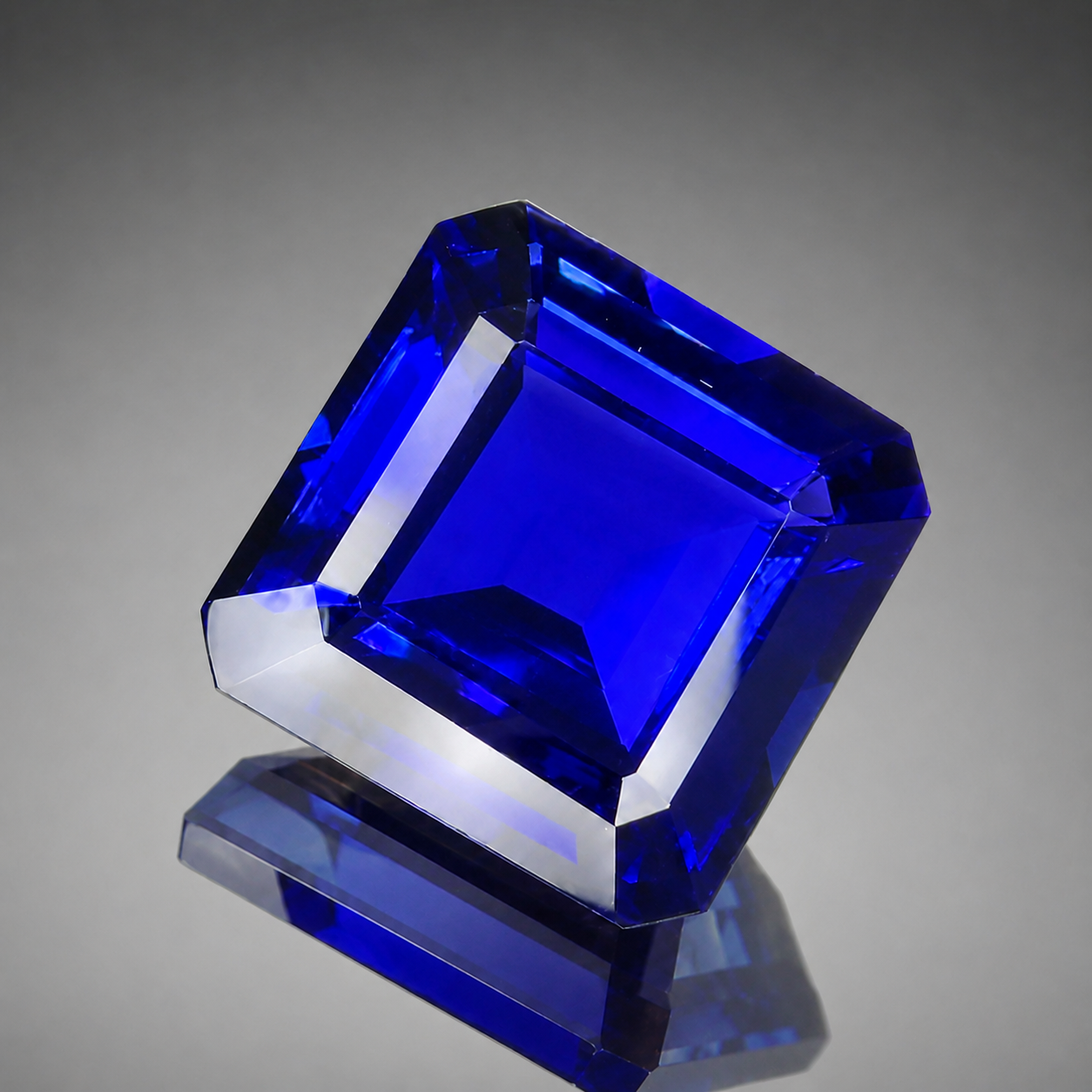
Ask for the treatment in writing. Our 22.75 ct Asscher cut tanzanite is listed as heated. Our earlier tanzanite guides cover trichroism and care in more depth.
Looking for a stone like this?
We keep stock in Bangkok and answer questions about grading, treatment and price without pressure.



Join the conversation
Ask a question or share what you have seen. We read every comment and reply to the good questions.
Loading comments