
1. The name is exact
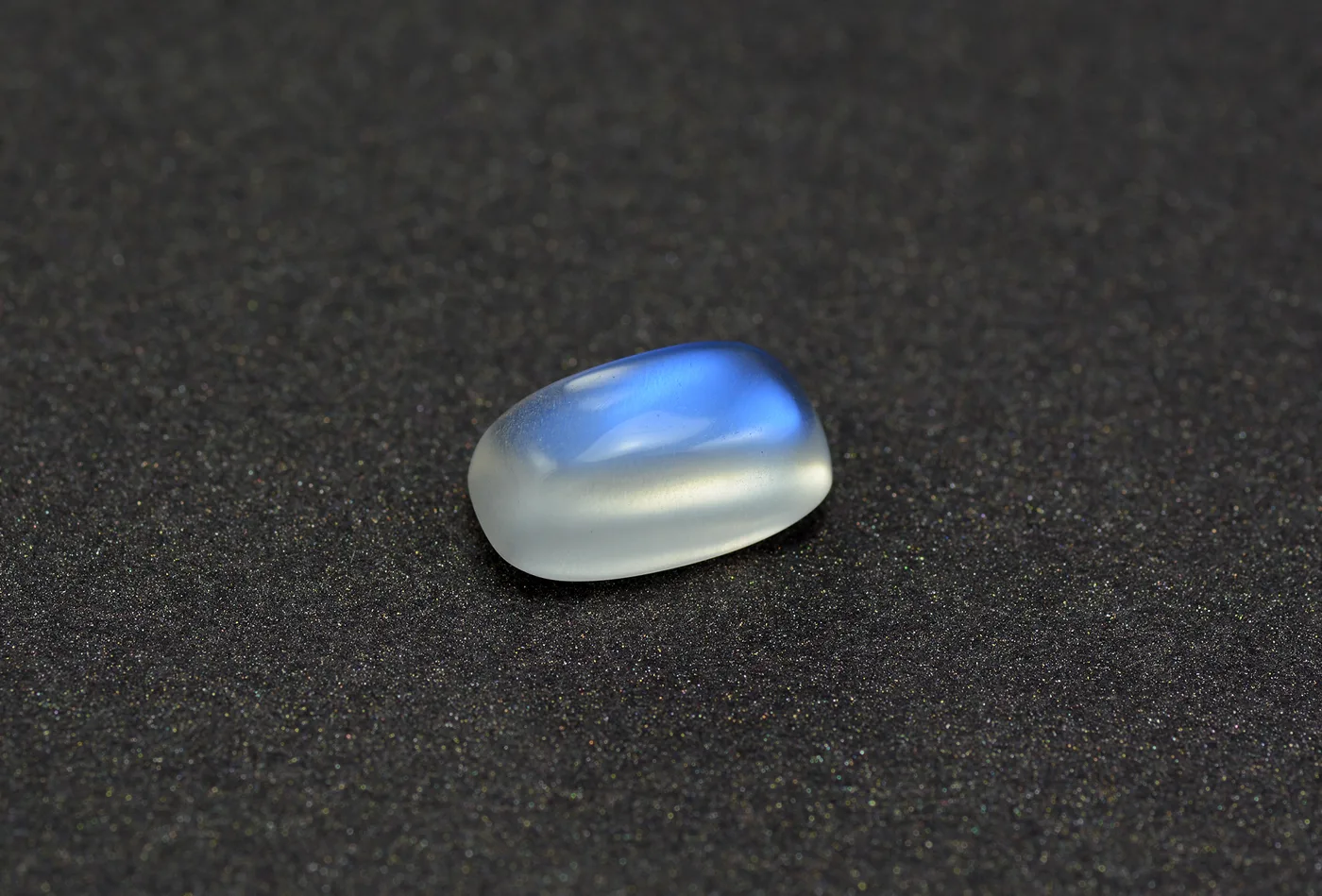
A listing should say what the stone is and which trade variety applies. Paraiba tourmaline, rubellite, imperial topaz and mandarin garnet are variety names with specific meanings. IGS defines paraiba as neon blue tourmaline coloured by copper and rubellite as saturated pink to red.
FTC Jewelry Guides section 23.25 backs this up. A stone name used alone means a mined stone of that type. A lab grown or imitation stone needs a clear qualifier in front of the name, and the word faux does not count.
2. The treatment is stated
Section 23.24 says sellers should disclose a treatment that is not permanent, that creates special care requirements or that significantly affects value. For online sales the guides say the disclosure belongs in the product description.
Treatments such as heated tanzanite and irradiated blue topaz are stable and routine. A good seller says so in one line. If the treatment line is missing, ask for it.
3. The report is real and verified
A laboratory report states whether a stone is natural or synthetic and lists detectable treatments. Look for a recognised laboratory and a report number.
Then verify it. GIA lists report verification among its services, and GRS GemResearch Swisslab offers a free online verification service. Compare the number, weight and measurements with the stone you are buying. Our article on reading certificates explains each line.
4. Origin is a separate claim
Origin appears on a report only for certain stones and only when testing supports it. GIA lists alexandrite, emerald, Paraíba tourmaline, red spinel, ruby, sapphire, opal, peridot and demantoid garnet. A country on a listing for any other stone is the seller's statement. Weigh it that way.
5. Dimensions and weight appear together
A carat is a unit of weight at 0.2 grams, and dense stones look smaller than light ones at the same weight. A listing should give length, width and depth in millimetres. Compare those, not carats alone. Our carat article shows how far the gap can run.
6. The stone suits how you will wear it
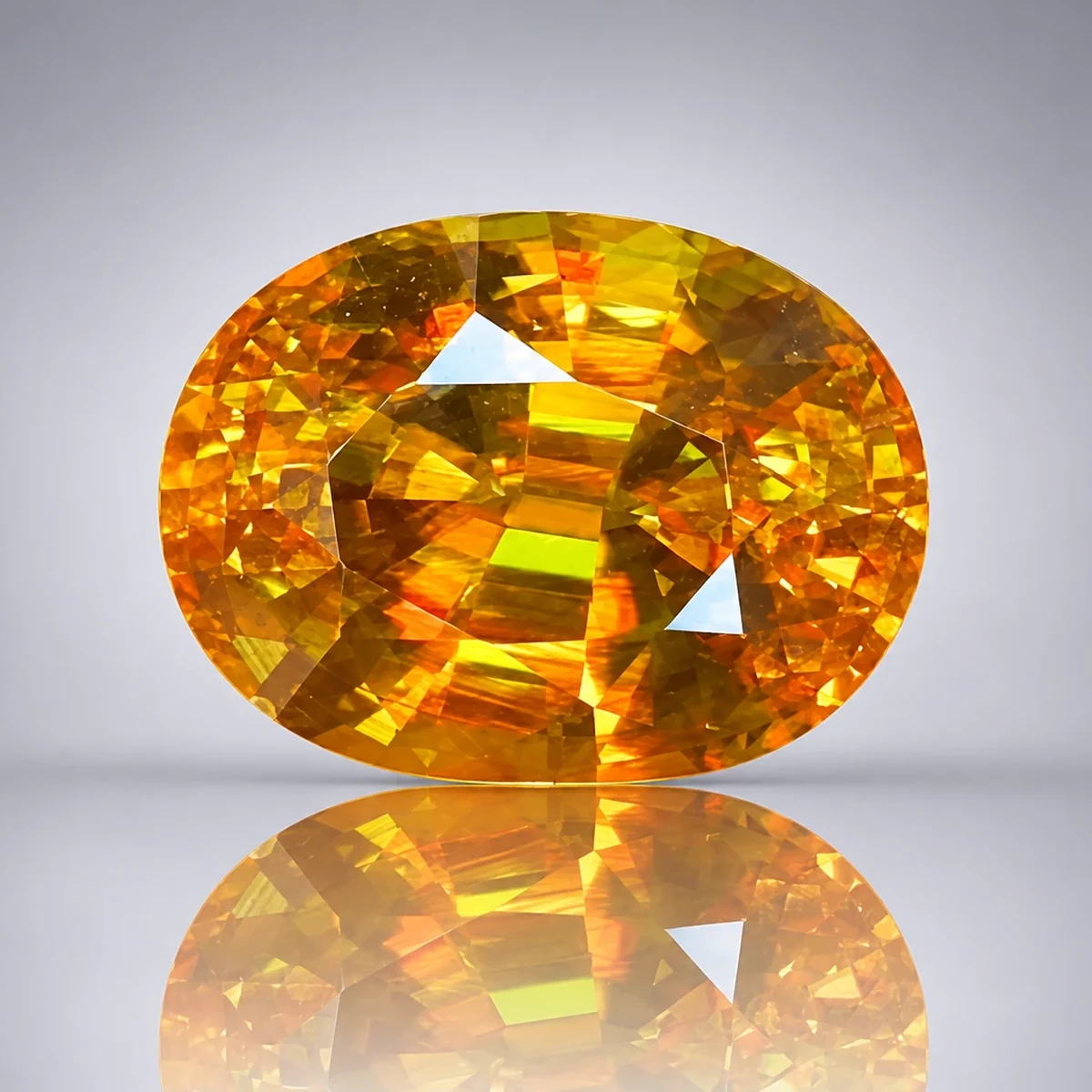
Hardness is not the full story. IGS gives topaz a hardness of 8 and perfect cleavage, tanzanite 6 to 7 with perfect cleavage and sphene 5 to 5.5 with distinct cleavage. It recommends protective settings or pendants for several of them. Spinel, at 7.5 to 8 with no cleavage, needs the least care.
7. The price makes sense
GIA's 2026 study of glass ceramic imitations found that they retail for under one US dollar per carat. Be wary of any listing that prices a fine named stone near that level.
The reverse also holds. A price far below peers for a stone with a laboratory report deserves a question. Ask why.
Red flags in a listing
- No treatment line
- Section 23.24 says the product description should carry the disclosure for online sales.
- A report with no number
- You cannot verify it with the laboratory.
- A fine stone name at a very low price
- GIA found that glass ceramic imitations retail for under one US dollar per carat.
- A lab grown stone with a bare gem name
- Section 23.25 requires a clear qualifier.
- Origin claimed for a stone where laboratories give none
- Only certain stones receive an origin opinion.
What a good listing looks like
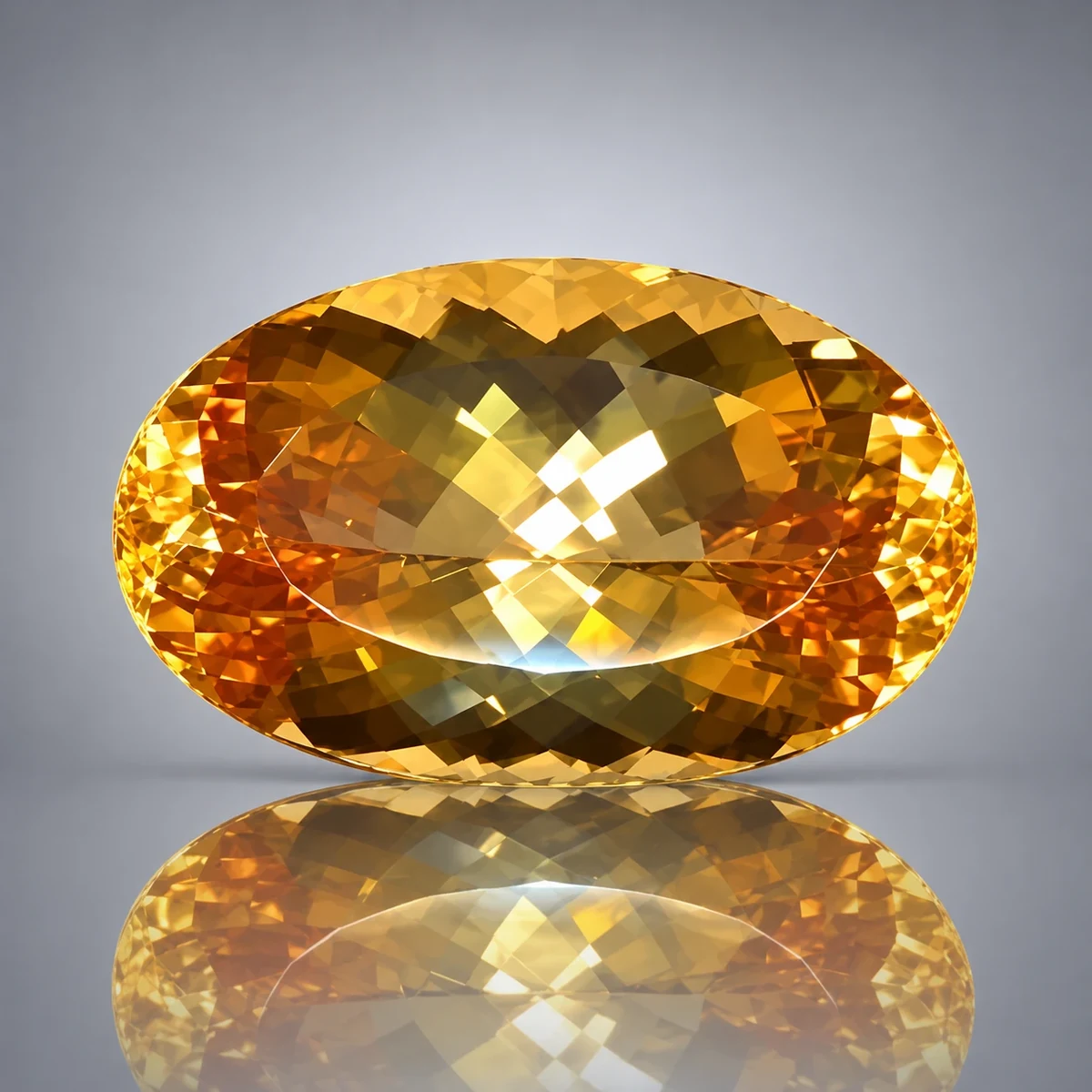
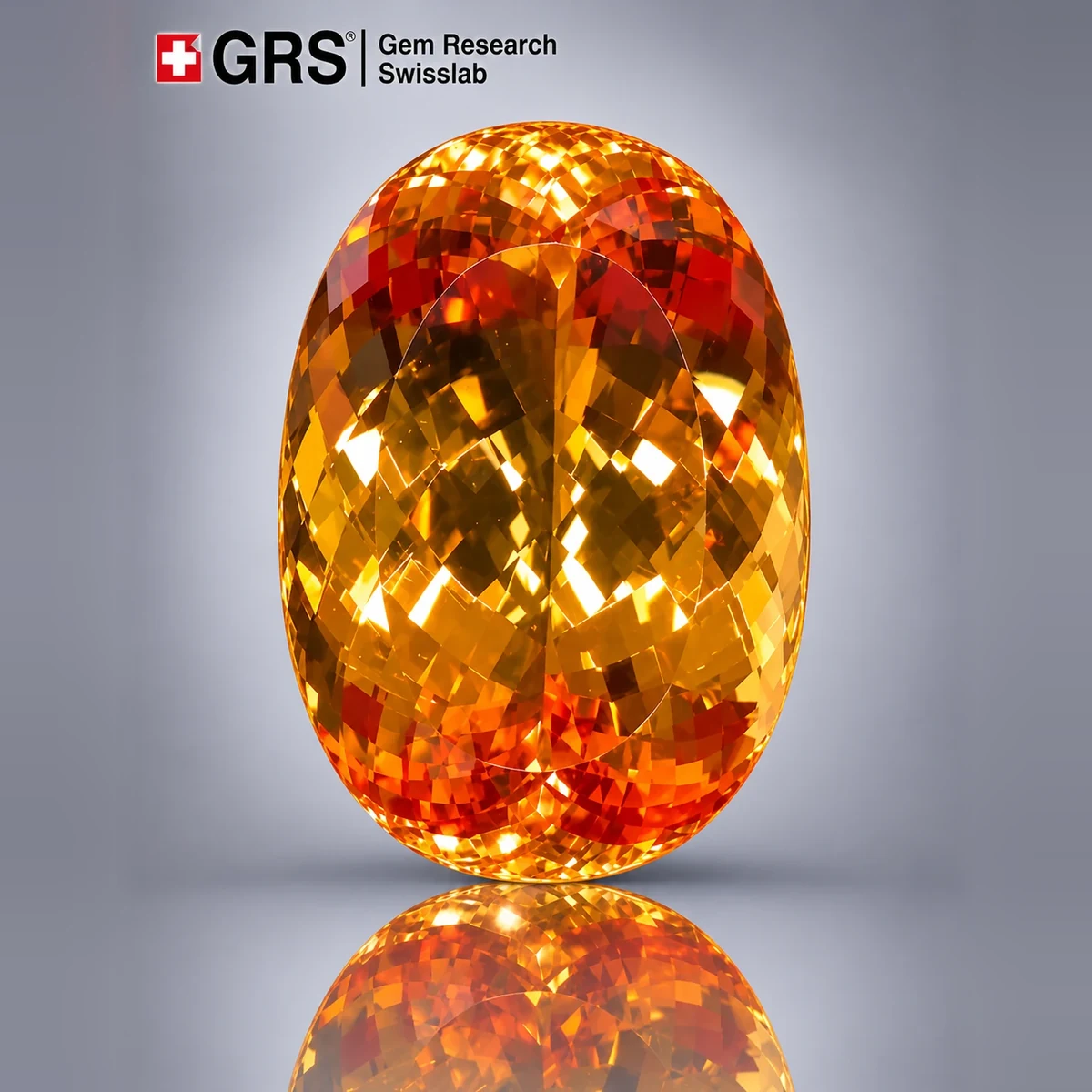
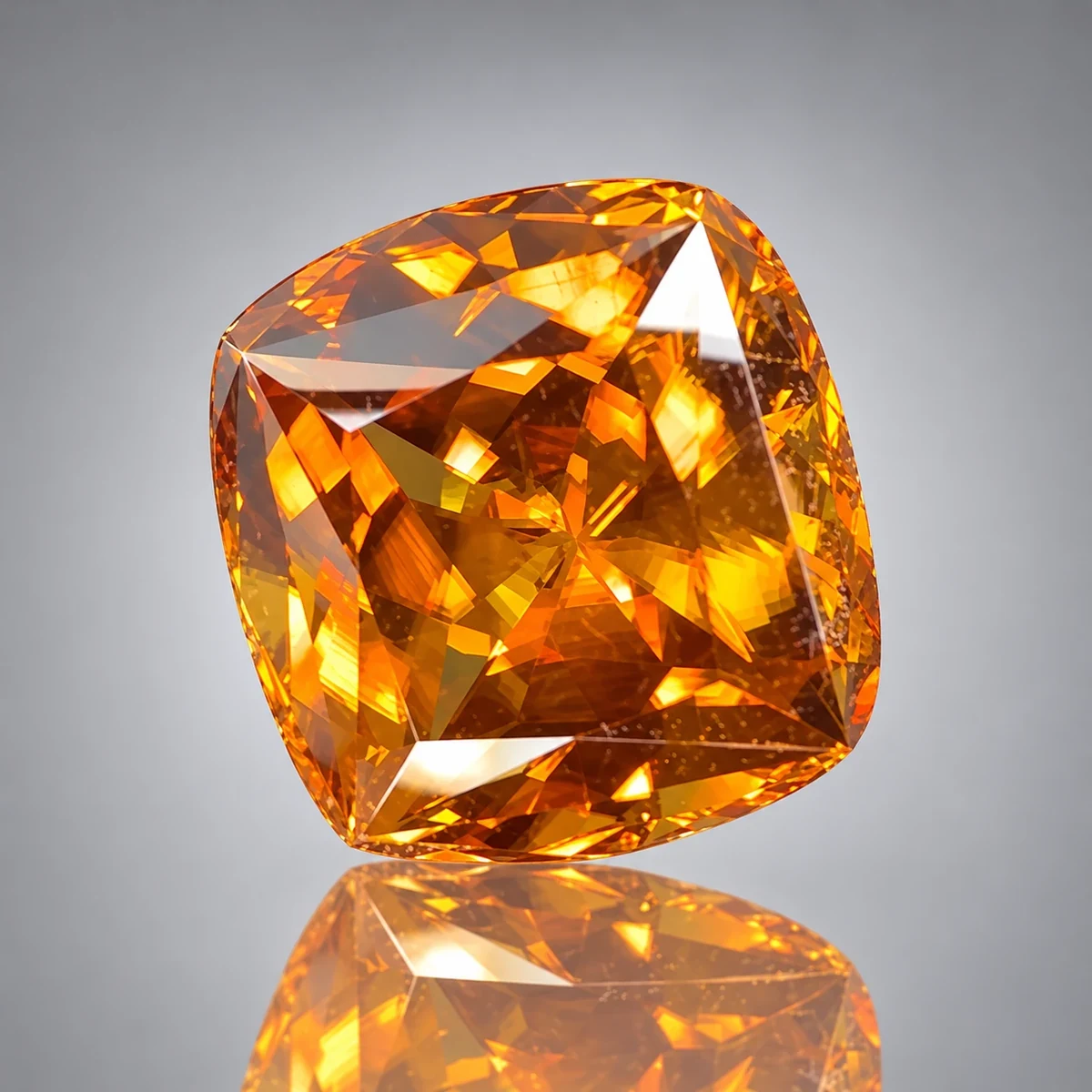
Take our 34.37 ct imperial topaz. The listing gives the weight and the dimensions of 22.70 by 15.80 by 11.80 millimetres. It names the variety, the origin as Ouro Preto in Brazil and the treatment line, which reads no indication of heat per the GRS report. A report number sits behind that line and you can check it with the laboratory.
Hold every listing to that standard, ours included.
8. You can see the stone and return it
Look for video in daylight or near a window, because photographs flatten colour. Check the return terms before you pay and confirm that you can have the stone tested by an independent laboratory during the return window.
Our listings show photographs and video, and where a stone has a report they show it. We answer questions about any stone before you buy.
Looking for a stone like this?
We keep stock in Bangkok and answer questions about grading, treatment and price without pressure.

Join the conversation
Ask a question or share what you have seen. We read every comment and reply to the good questions.
Loading comments