
The safe default
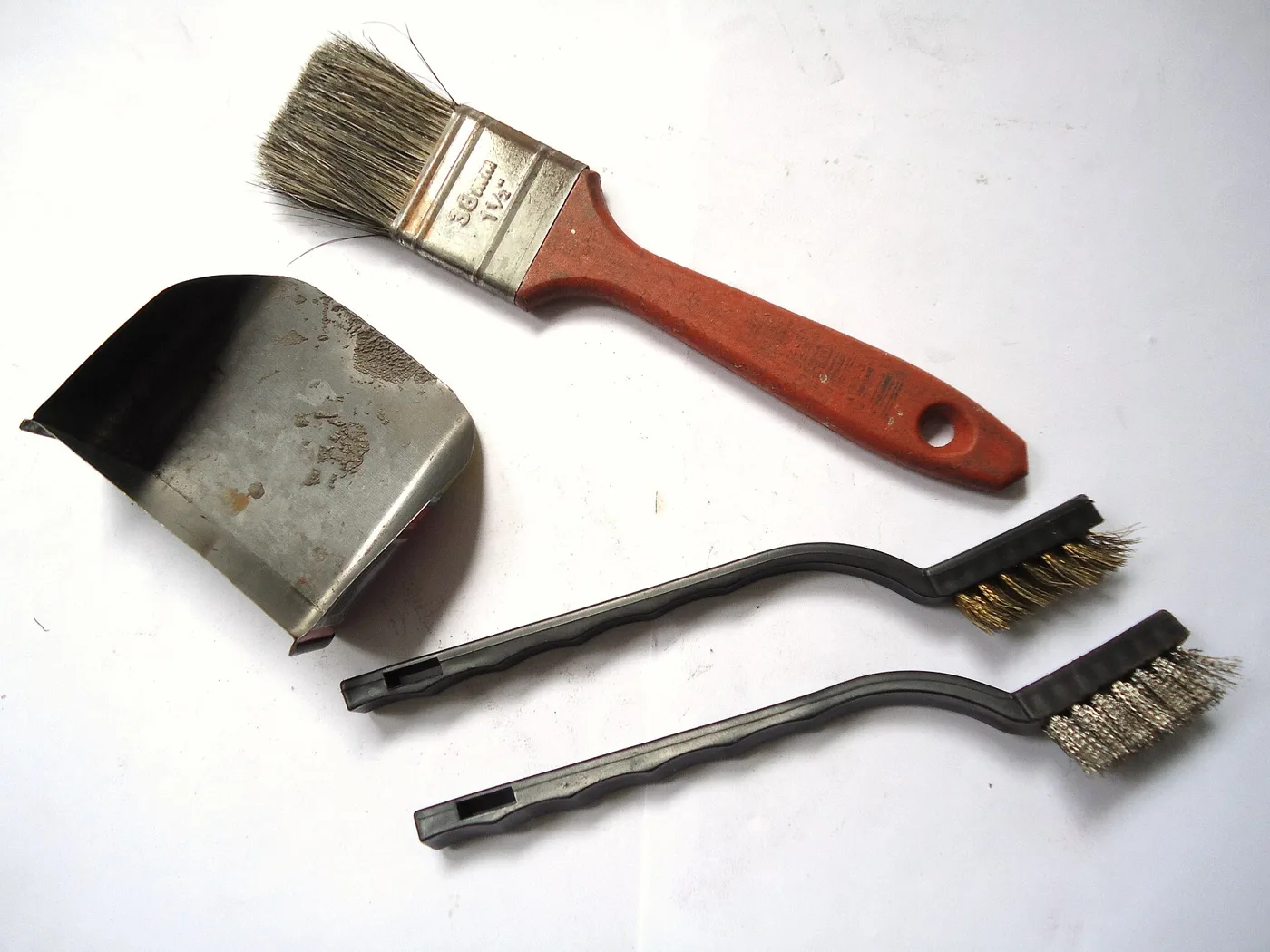
For nearly every coloured stone the safe method is the same. Use a soft brush, mild detergent and warm water. IGS gives exactly this advice for tourmaline, topaz, zircon, sphene, tanzanite, emerald, peridot and rubellite.
Work gently, rinse in clean water and dry with a soft cloth.
Why ultrasonic and steam are risky
Ultrasonic cleaners shake a stone with vibration. Steam hits it with heat. Stones with inclusions, cleavage or fillers suffer from both.
IGS says inclusions can make aquamarine sensitive to ultrasonic and steam cleaning. It says most tourmalines carry inclusions, so the same applies. It warns that ultrasonic, steam and boiling cleaners can shatter emerald or remove its oil. It also advises against these methods for topaz, zircon, sphene, peridot and rubellite.
Stone by stone
- Spinel
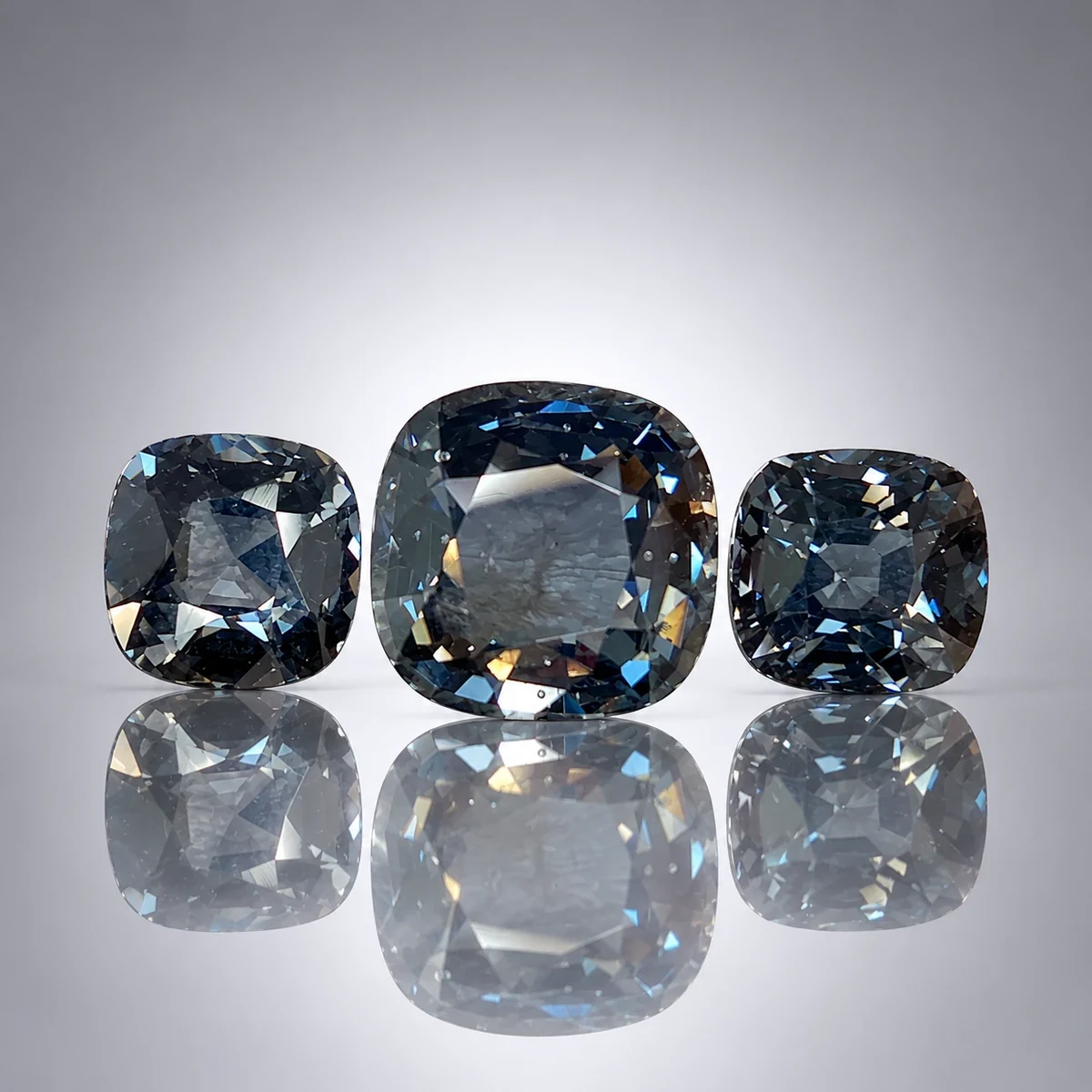
- IGS says spinels require no special cleaning or care instructions.
- Tourmaline and rubellite
- Soft brush, mild detergent, warm water. No ultrasonic or steam. IGS notes tourmaline attracts dust, so wipe it often.
- Topaz
- No ultrasonic or steam. Protective settings reduce stress on the cleavage.
- Zircon
- Warm water, mild detergent and a soft brush. No ultrasonic cleaners.
- Sphene
- No steamers or ultrasonic cleaners. Protect it from impacts, scratches, heat and acids, including sweat.
- Tanzanite
- Soft brush, mild detergent and warm water. Avoid rough treatment.
- Emerald
- Warm water, mild detergent and a soft brush only. No ultrasonic, steam or boiling.
- Peridot
- Soft brush, mild detergent and warm water. No ultrasonic or steam. Acids, including perspiration, attack it.
- Aquamarine
- Soft brush and warm water. Inclusions make it sensitive to ultrasonic and steam.
- Apatite
- Avoid mechanical cleaning systems. IGS says to store it as you would store opal.
How tough each stone is
IGS rates wearability for each stone. The ratings explain how much care a piece needs.
- Spinel
- Excellent wearability. No special cleaning.
- Aquamarine
- Excellent wearability. Inclusions can make it sensitive to ultrasonic and steam cleaning.
- Peridot
- Very good wearability, but sensitive to scratches, stress fractures and acids.
- Emerald
- Poor to good wearability depending on the stone, because inclusions make it fragile.
- Sphene
- Poor wearability. Protective settings advised.
- Apatite
- Poor wearability. Brittle and sensitive to acid, heat and shock.
Dust is harder than you think
IGS notes that peridot, at a hardness of 6.5 to 7, can still be scratched by household dust. Stones near that hardness pick up fine scratches over time. Wipe them with a clean cloth and store them away from harder pieces.
Sweat, acids and everyday chemicals
IGS names acids, including perspiration, as a risk for peridot and sphene. For peridot it advises wearing the jewellery against the skin only occasionally.
Heat and knocks
Topaz and tanzanite have cleavage. IGS says topaz can split under heat, vibration or uneven stress and that tanzanite is risky for everyday wear.
Heat damages some colours. A GIA reading list cites a 2003 study in which orange red topaz faded above 450 degrees Celsius, and IGS calls apatite and sphene heat sensitive. Tell a jeweller before any repair that uses a torch near the stone.
Storage
Hardness decides which stone scratches which. A harder stone marks a softer one in the same box. Store pieces separately in soft pouches. IGS advises storing apatite as you would store opal.
When to see a jeweller
Take a piece to a jeweller if a stone looks cloudy after cleaning, if a claw has lifted or if you notice a crack. Tell the jeweller what stone it is and ask about treatment. Filled emeralds and fracture filled rubellites need special handling.
Looking for a stone like this?
We keep stock in Bangkok and answer questions about grading, treatment and price without pressure.

Join the conversation
Ask a question or share what you have seen. We read every comment and reply to the good questions.
Loading comments