
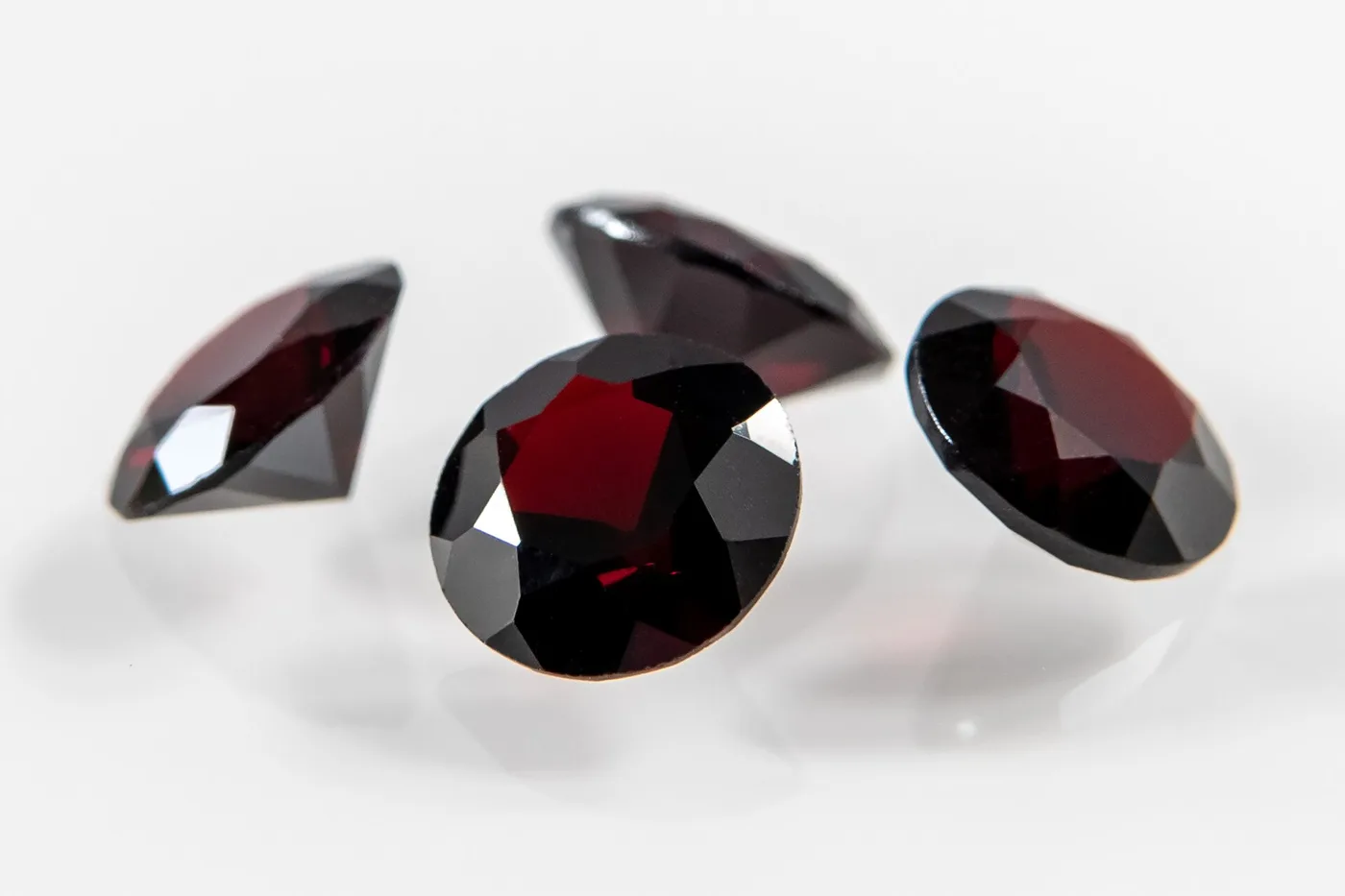
What a carat is
One carat equals 200 milligrams, or 0.2 grams. The definition goes back to the 1907 Fourth General Conference on Weights and Measures. The United States adopted it on 1 July 1913 and the United Kingdom on 1 April 1914, according to Wikipedia.
The word comes from the Italian carato, from the Arabic qirat, which borrowed the Greek keration, meaning carob seed.
A carat is mass. It tells you how heavy a stone is and nothing about how big it looks.
Why density changes size
Every mineral has a specific gravity, which compares its density with water. A stone with a higher specific gravity weighs more for the same volume. Turn that around and a dense stone takes up less space for the same weight.
The arithmetic is simple. Volume equals weight divided by specific gravity. A stone with a specific gravity of 4.0 holds its weight in about two thirds of the space of a stone with a specific gravity of 2.7.
The numbers for popular stones
IGS publishes the specific gravity range for each stone. The list below shows the volume of 5 carats, which is 1 gram, using the middle of each range. The calculation is ours.
- Aquamarine
- Specific gravity 2.66 to 2.80. About 366 cubic millimetres.
- Emerald
- Specific gravity 2.68 to 2.78. About 366 cubic millimetres.
- Rubellite
- Specific gravity 3.01 to 3.06. About 329 cubic millimetres.
- Peridot
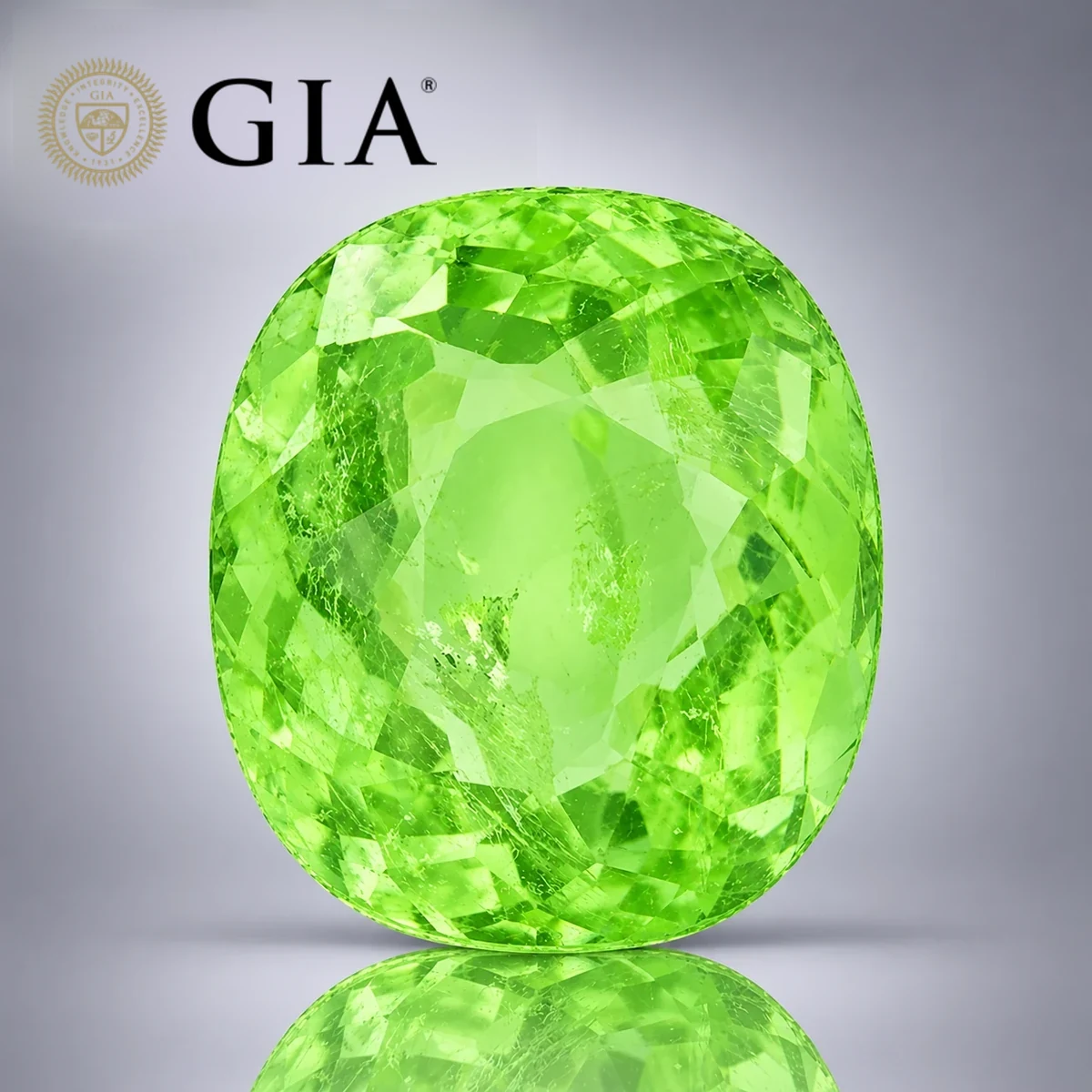
- Specific gravity 3.3 to 3.4. About 299 cubic millimetres.
- Sphene
- Specific gravity 3.45 to 3.55. About 286 cubic millimetres.
- Topaz
- Specific gravity 3.50 to 3.57. About 283 cubic millimetres.
- Spinel
- Specific gravity 3.55 to 3.63. About 279 cubic millimetres.
- Spessartite garnet
- Specific gravity 4.09 to 4.15. About 243 cubic millimetres.
- High zircon
- Specific gravity 4.60 to 4.80. About 213 cubic millimetres.
Five carats of high zircon takes up about 58 percent of the volume of five carats of aquamarine. The zircon has the volume of a roughly 3 carat aquamarine.
Real stones from our stock
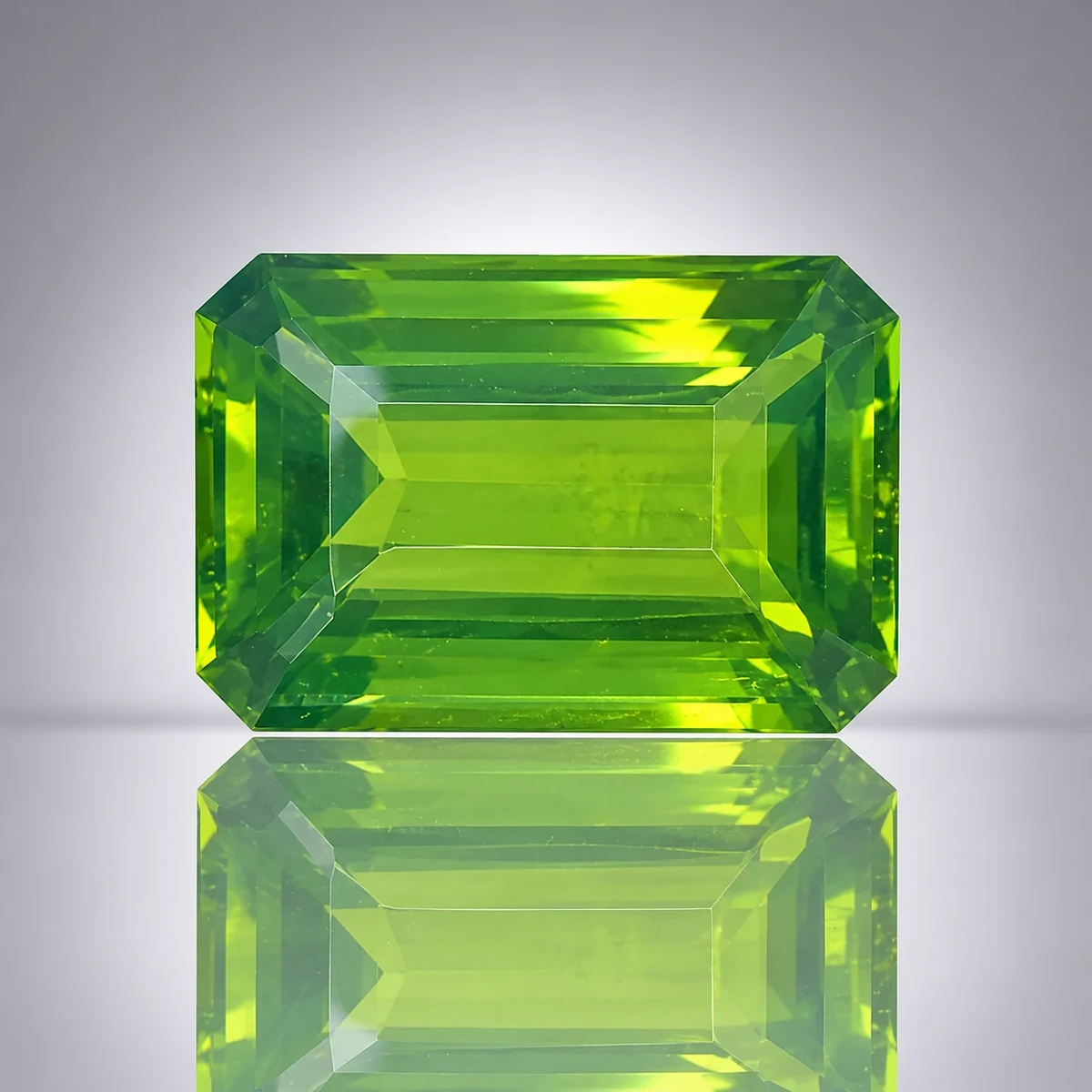
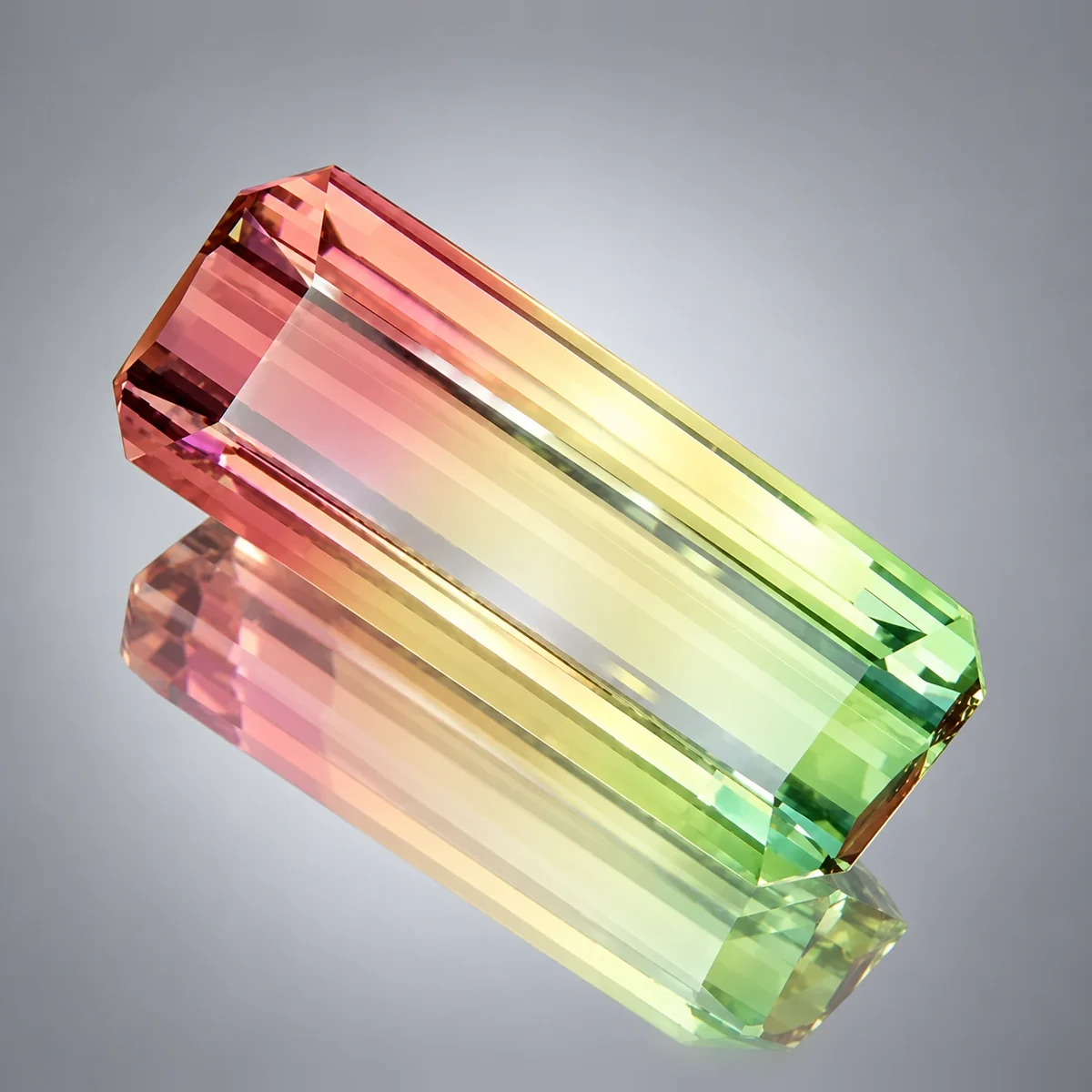
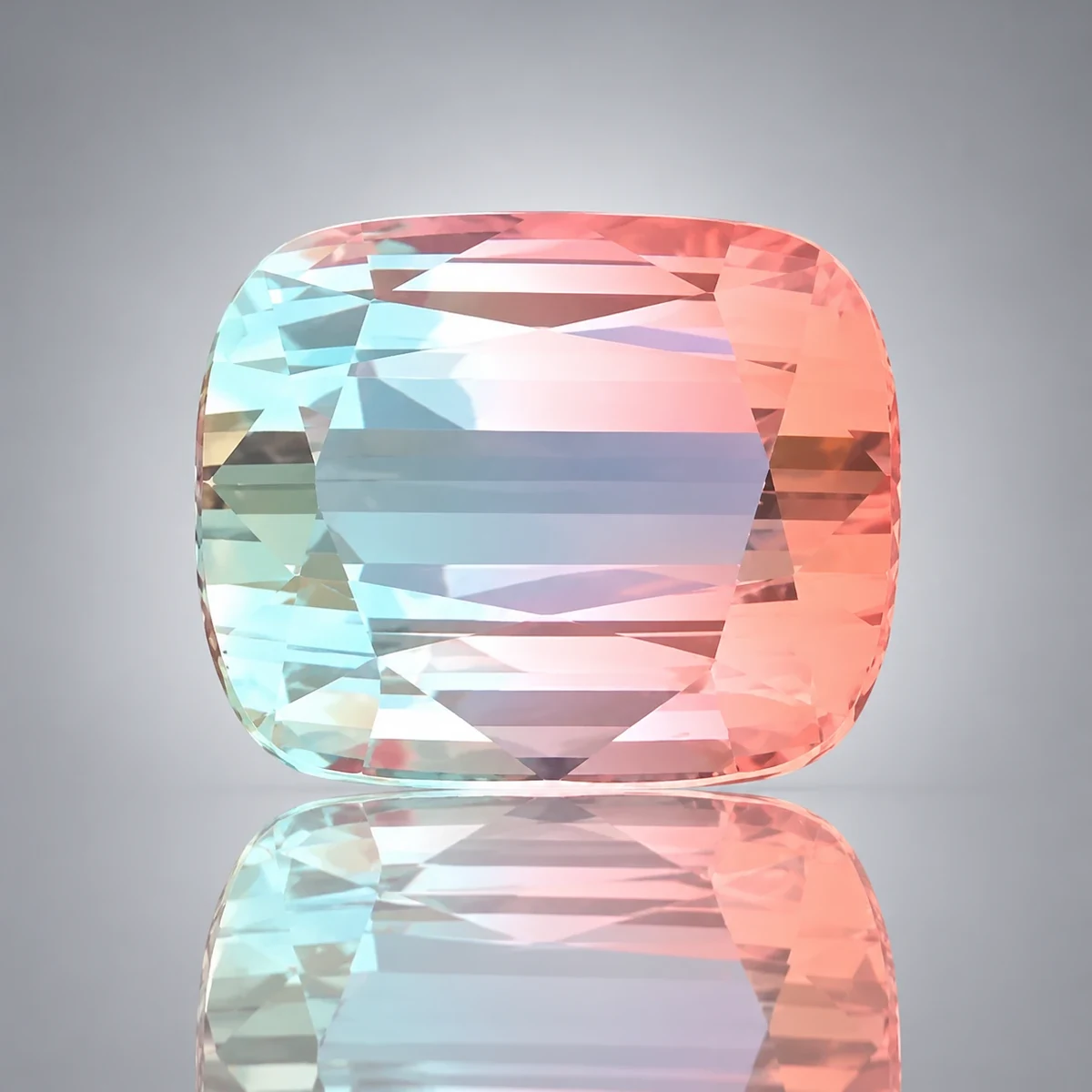
Dimensions show the truth that weight hides. Our 29.37 ct tourmaline octagon measures 27.05 by 12.89 by 8.08 millimetres. Our 30.01 ct zircon, with almost the same weight, measures 16.49 by 15.95 by 11.29 millimetres. The tourmaline is long and slim. The zircon is short and deep.
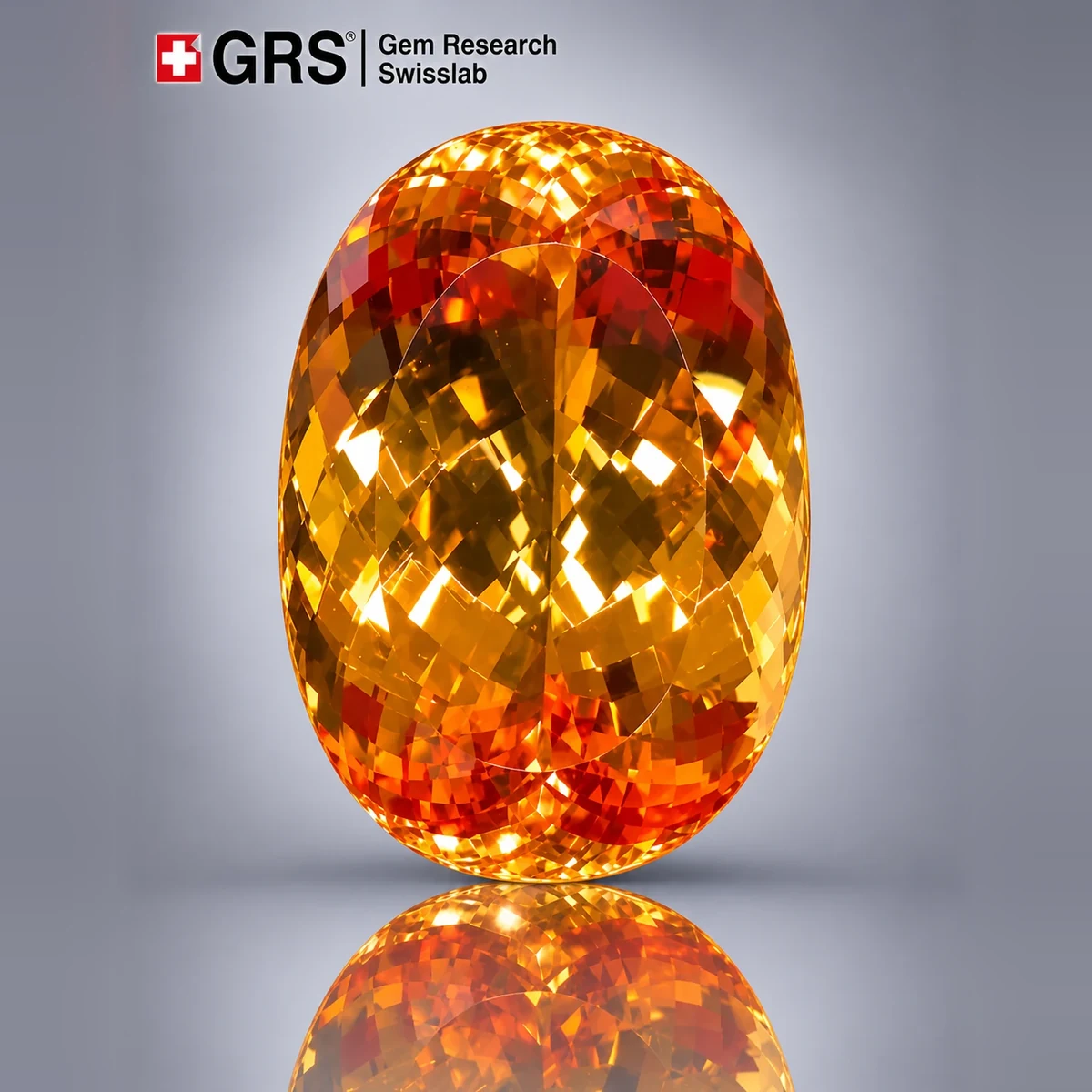
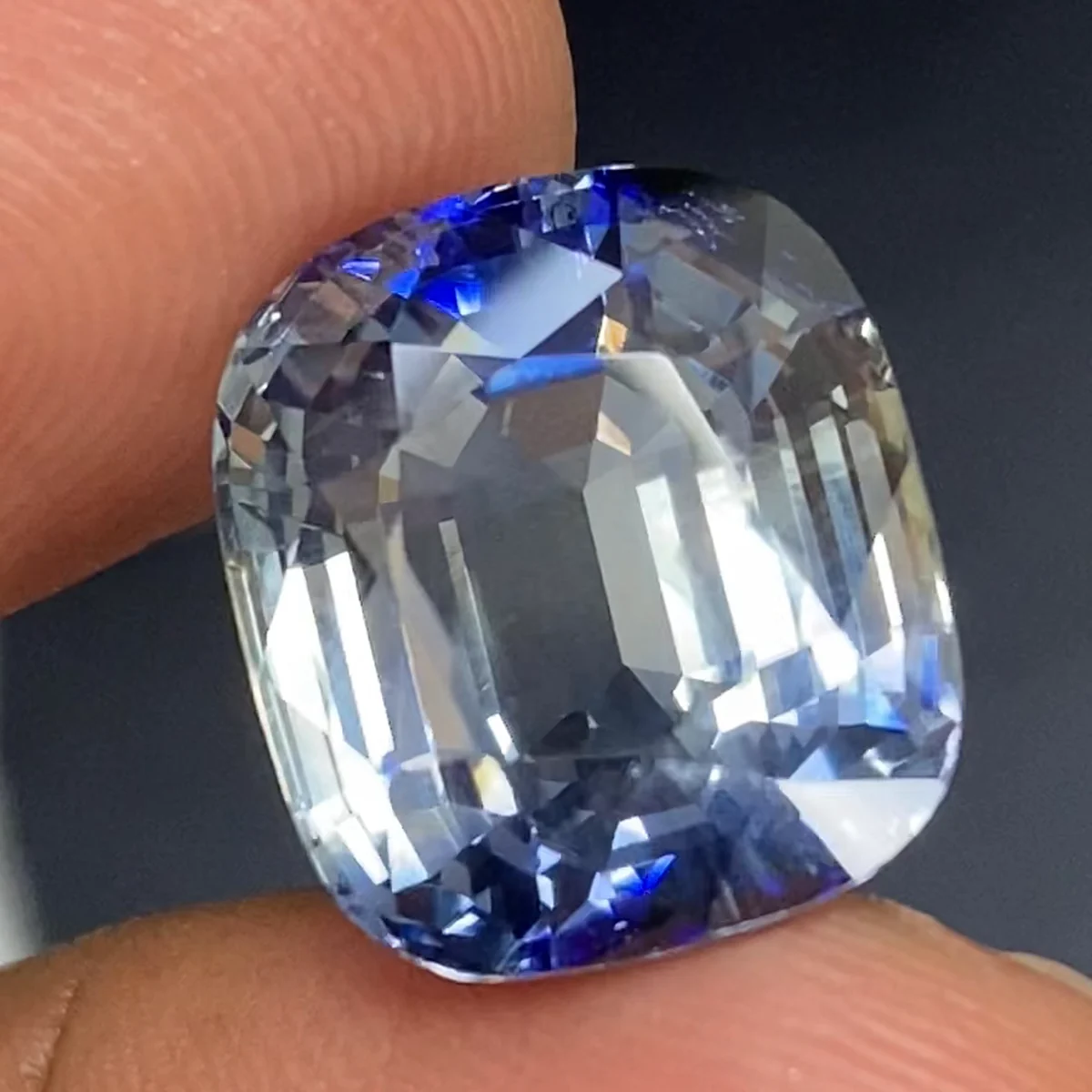
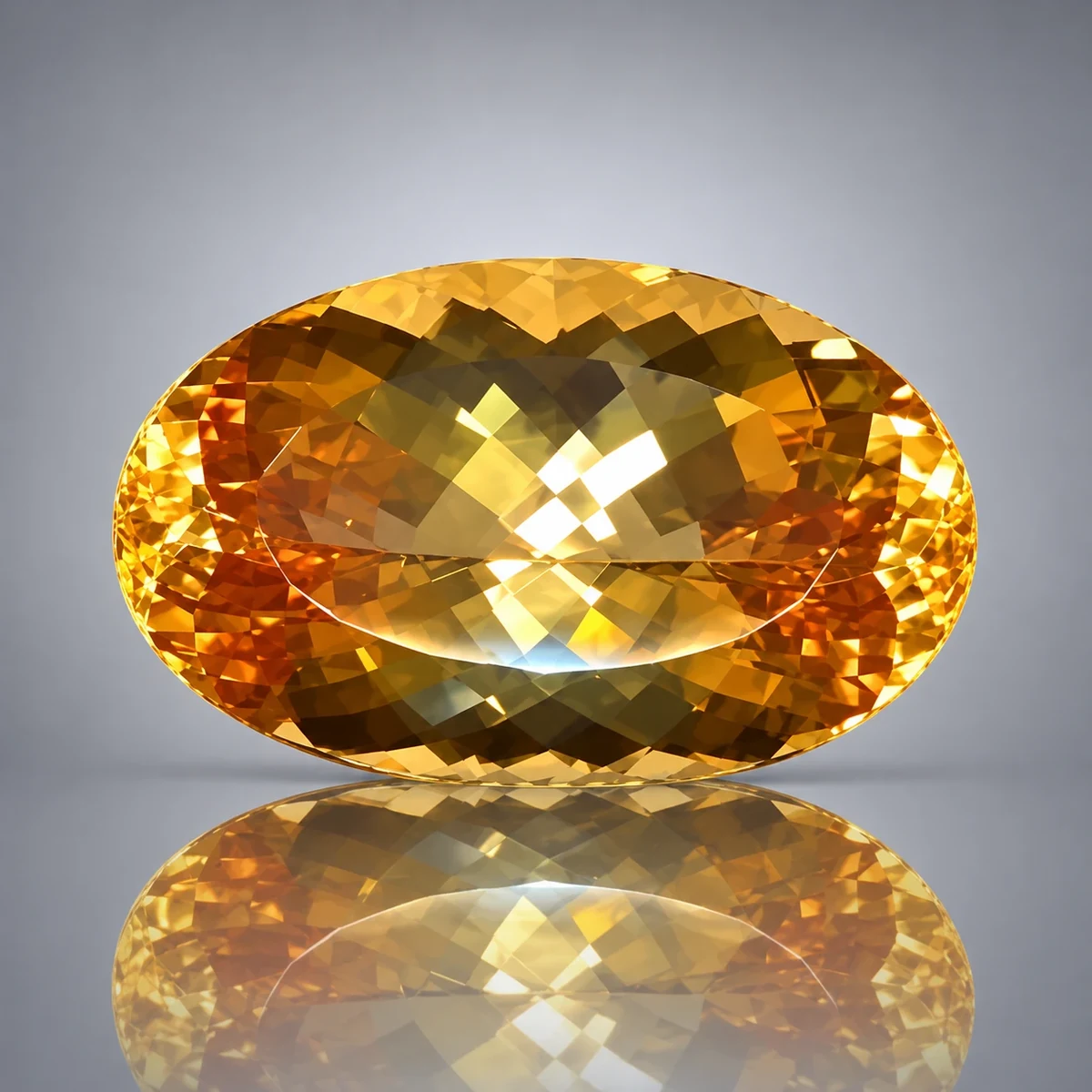
Our 22.75 ct tanzanite measures 17.30 by 17.27 by 9.38 millimetres. Our 18.31 ct topaz measures 20.20 by 12.75 by 9.97 millimetres. Our 34.37 ct topaz measures 22.70 by 15.80 by 11.80 millimetres.
Shape and cut add to the effect. A step cut stone can carry its weight in depth, and a shallow cut spreads the same weight across a wider face. Always read the dimensions next to the carat weight.
Carats to grams
Because a carat is 0.2 grams, conversion is easy.
- 1 carat
- 0.2 grams.
- 5 carats
- 1 gram.
- 10 carats
- 2 grams.
- 29.37 carats
- About 5.9 grams. This is our tourmaline octagon.
- 43.98 carats
- About 8.8 grams. This is our spessartite cabochon.
More stones from our stock
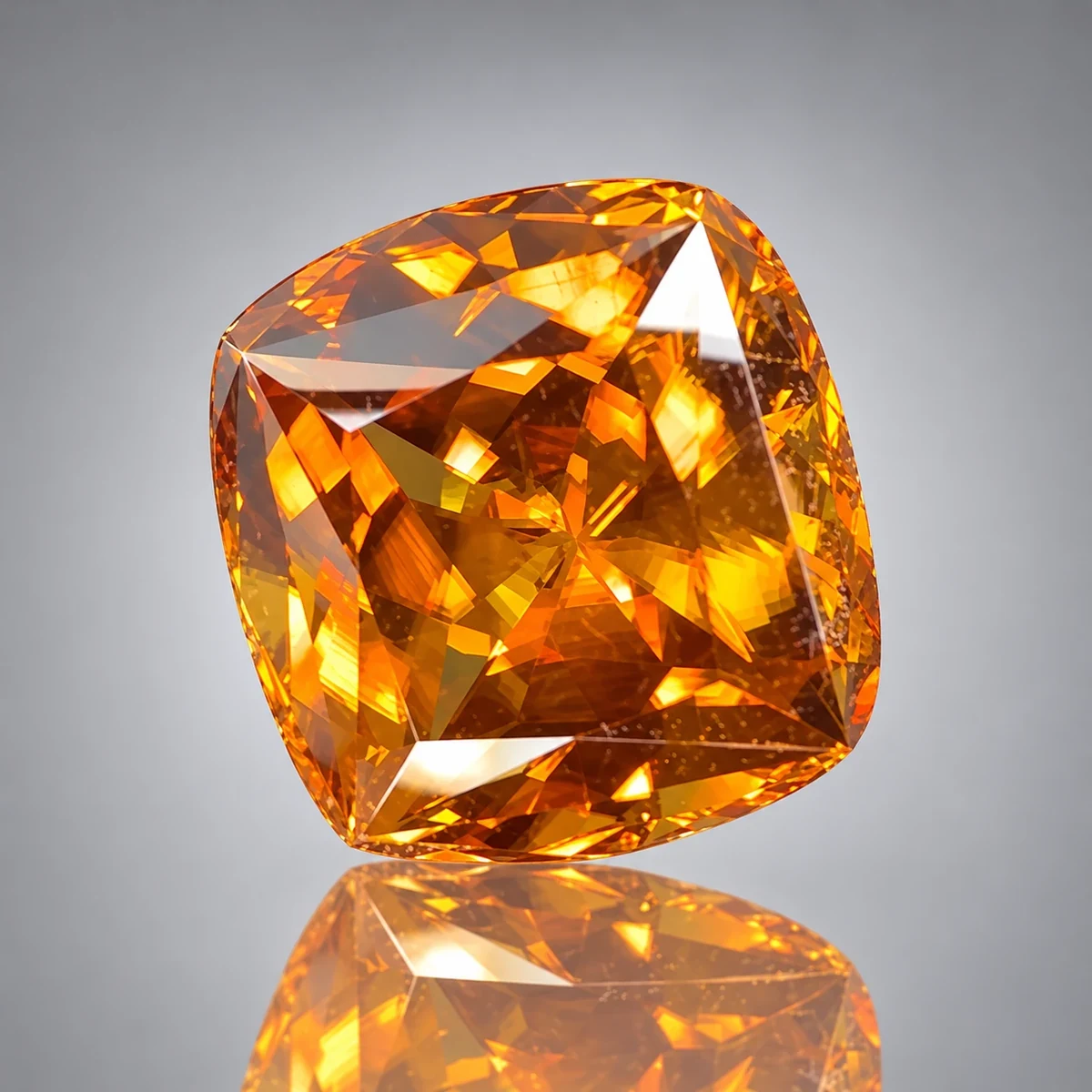
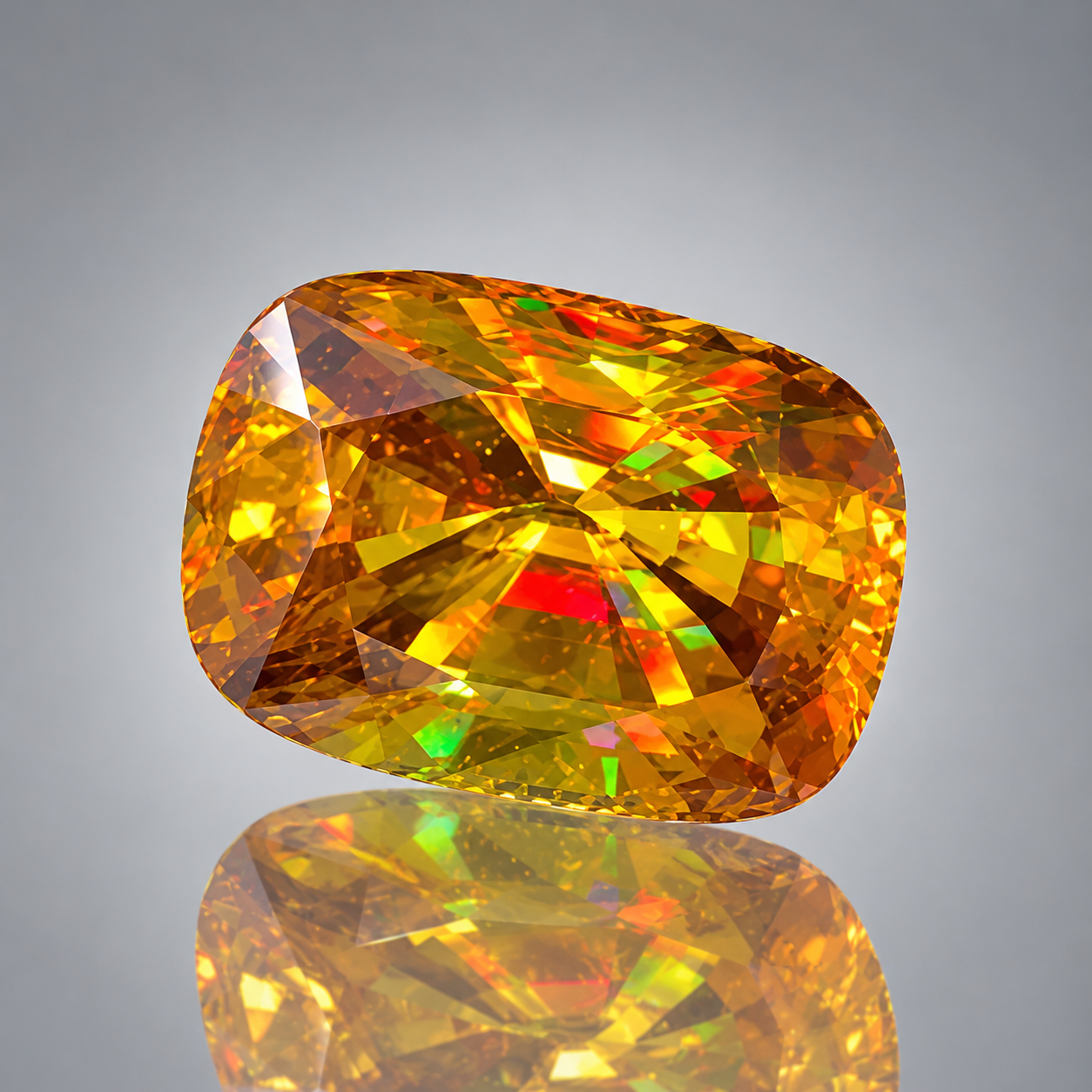
Our 43.98 ct spessartite cabochon, a dense stone, measures 19.92 by 15.23 by 13.77 millimetres. The garnet weighs far more than our 26.85 ct sphene heart, yet its face measures 19.92 by 15.23 millimetres, close to the 18.01 by 20.29 millimetre face of the sphene.
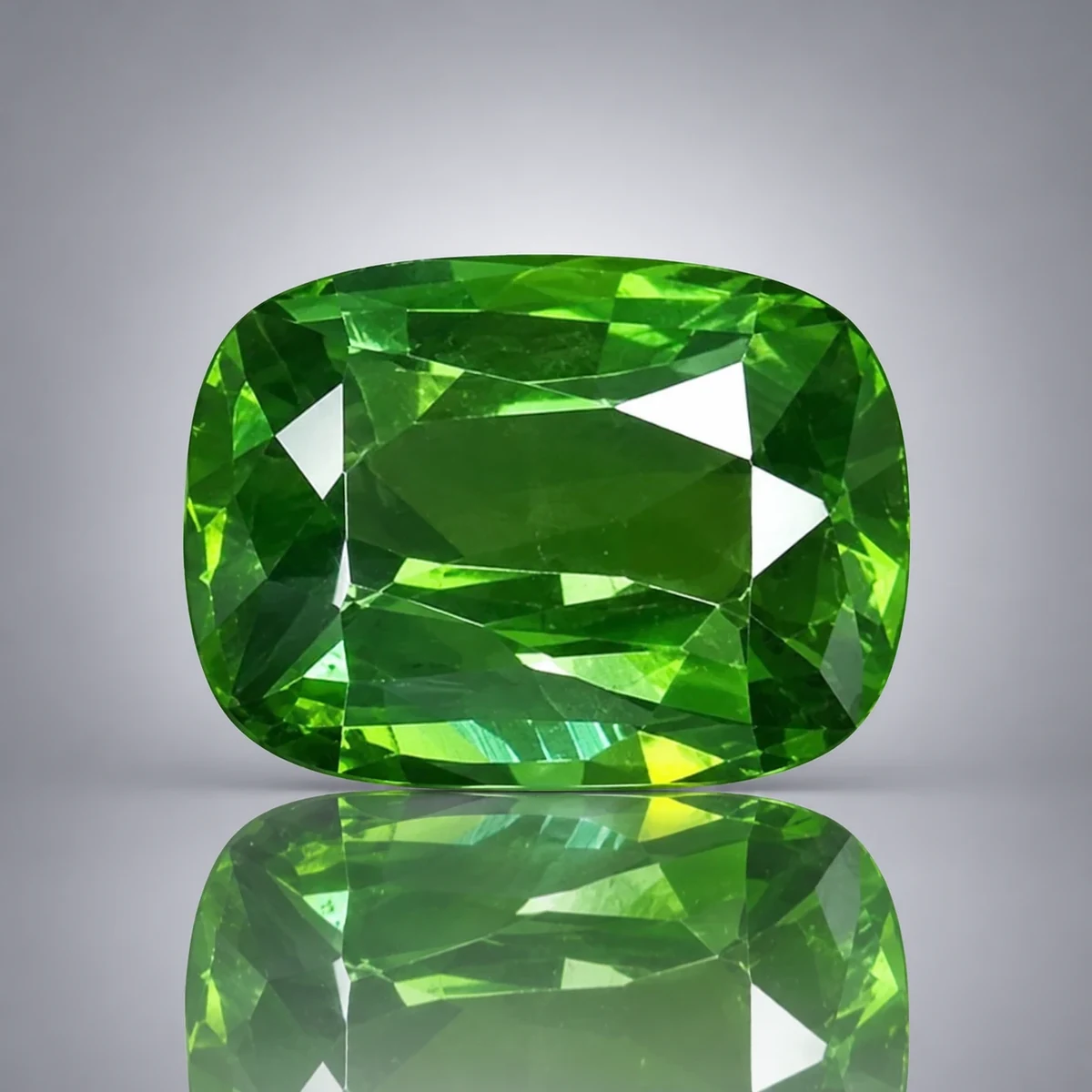
Our 5.94 ct mauve spinel is long and slim at 18.49 by 8.80 by 5.01 millimetres. Our 2.66 ct red spinel is a compact 10.22 by 6.12 by 4.98 millimetres. Our 16.78 ct green tourmaline pear measures 17.94 by 15.13 by 10.03 millimetres, and our 9.45 ct green zircon measures 13.65 by 10.47 by 6.36 millimetres.
Shape differs in each case, so the comparison is not exact. It still shows why weight alone tells you little.
How to compare stones fairly
Ask for length, width and depth in millimetres. Compare the face up area, which is length times width, because that is what you see in a ring or a pendant.
Compare price per carat only between stones of the same kind. A price per carat compares weight and not visible size.
Check the depth too. A stone that is very deep for its width holds weight you cannot see from the top.
Looking for a stone like this?
We keep stock in Bangkok and answer questions about grading, treatment and price without pressure.

Join the conversation
Ask a question or share what you have seen. We read every comment and reply to the good questions.
Loading comments