
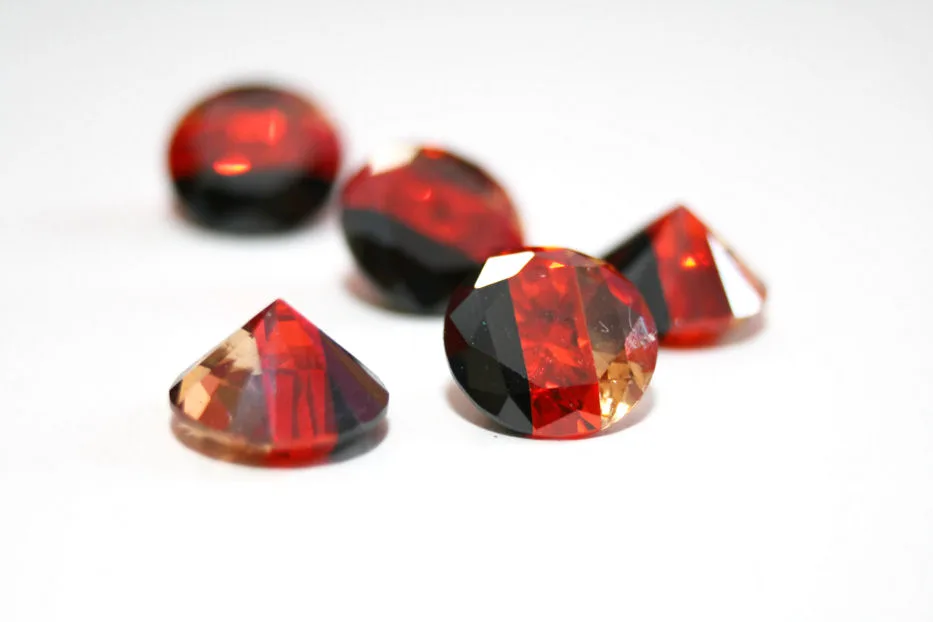
What glass-ceramic is
Wasura Soonthorntantikul, Wim Vertriest and Karen Avakyan published Glass-Ceramics as Imitation Gemstones in the Summer 2026 issue of Gems & Gemology, volume 62, number 2, pages 164 to 176.
A glass-ceramic starts as molten glass. Controlled heat then grows tiny crystals inside it. The result is a glassy matrix with crystals dispersed through it. It has zero porosity and holds up to heat, so a maker can cast it straight into a metal mounting without losing the colour.
The study reports that retail prices are often under US$1 per carat, which makes the material common in mass produced costume jewellery.
What it copies
The study focuses on glass-ceramics built from silicon, aluminium, magnesium and zinc. The main crystal phase is spinel, MgAl2O4. With high zinc, the phase can shift toward gahnite, ZnAl2O4.
Additives set the colour. Cobalt gives blue, nickel gives green and manganese gives yellow to orange. Rare earths neodymium and erbium give pink to red, and gold nanoparticles give a saturated red.
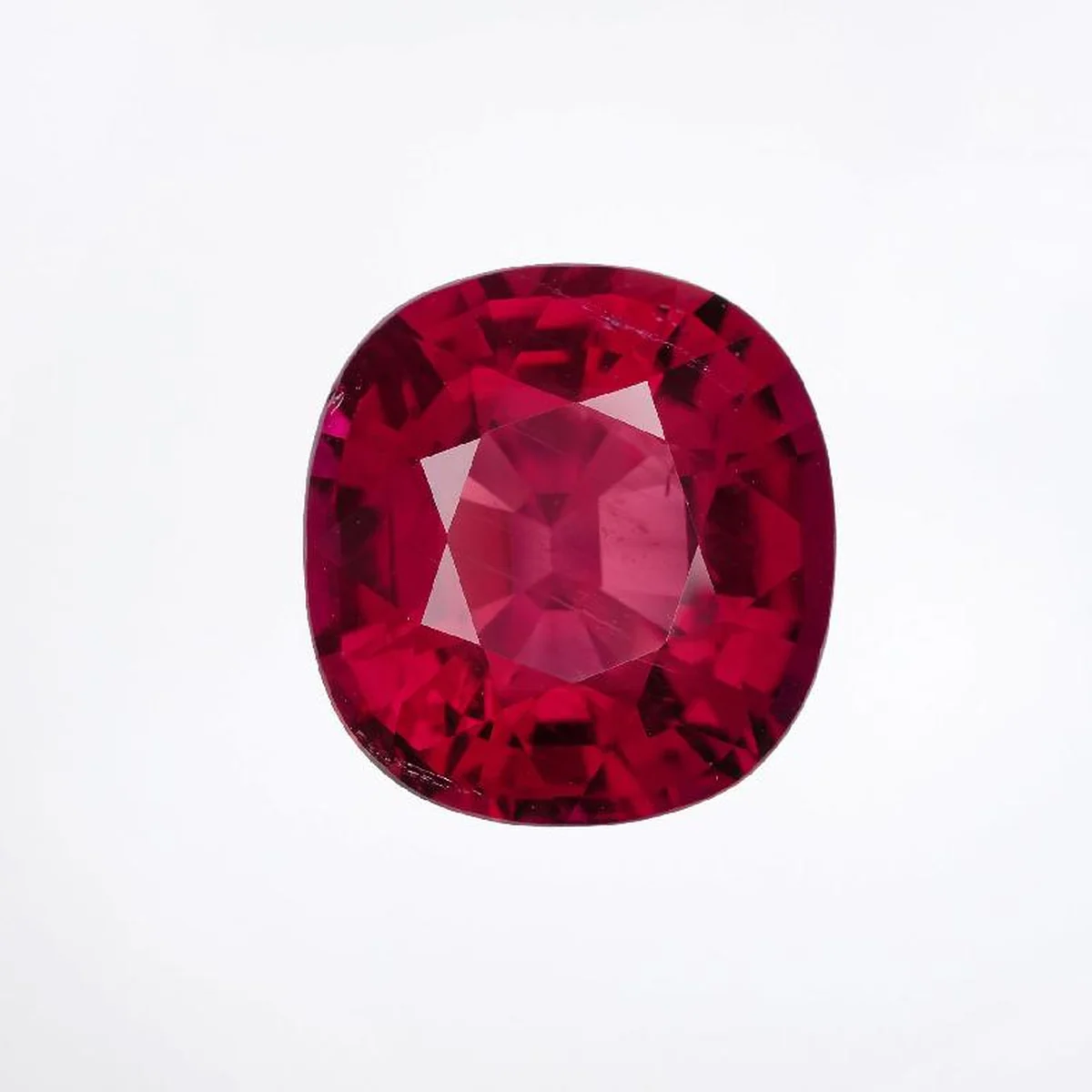
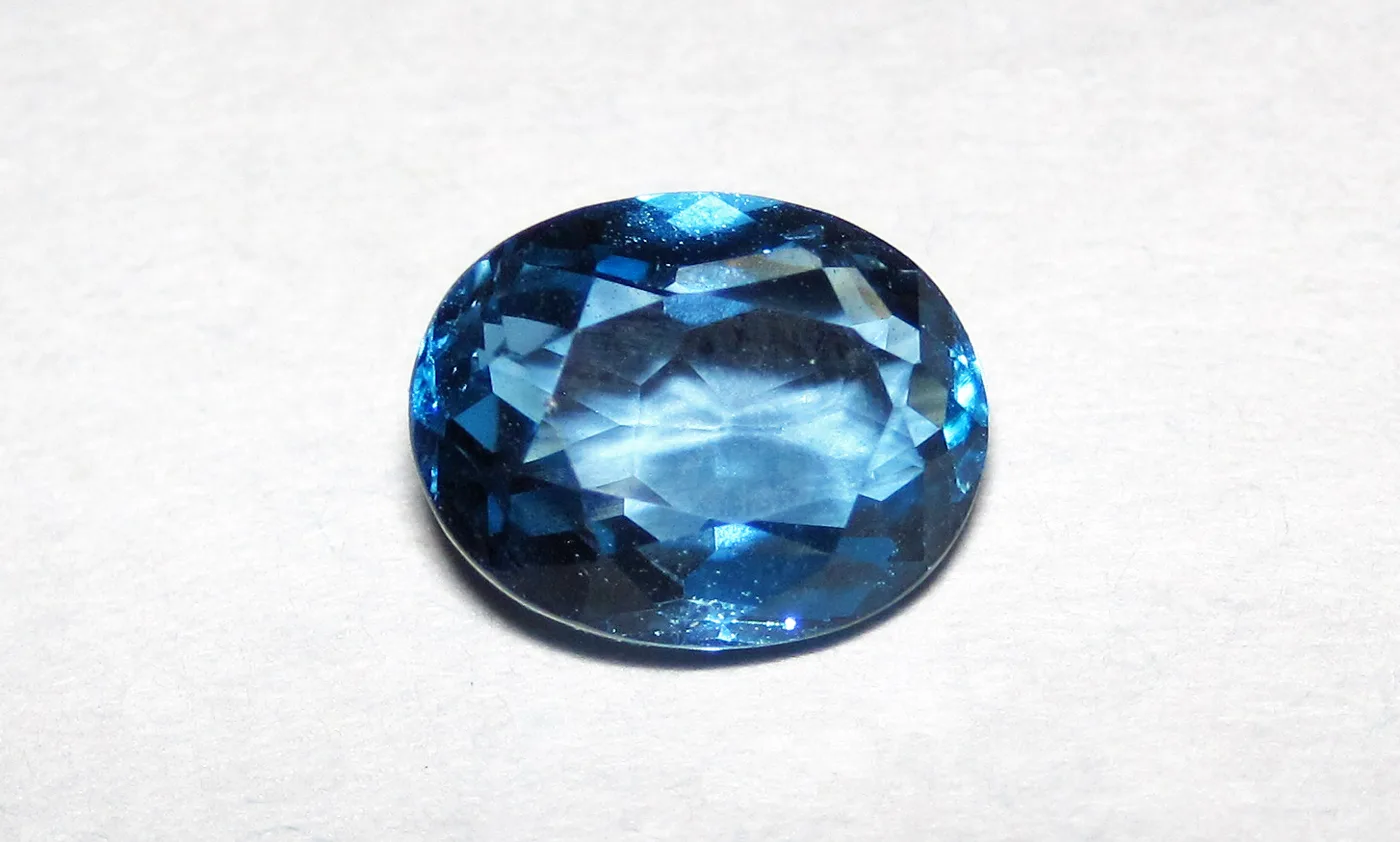
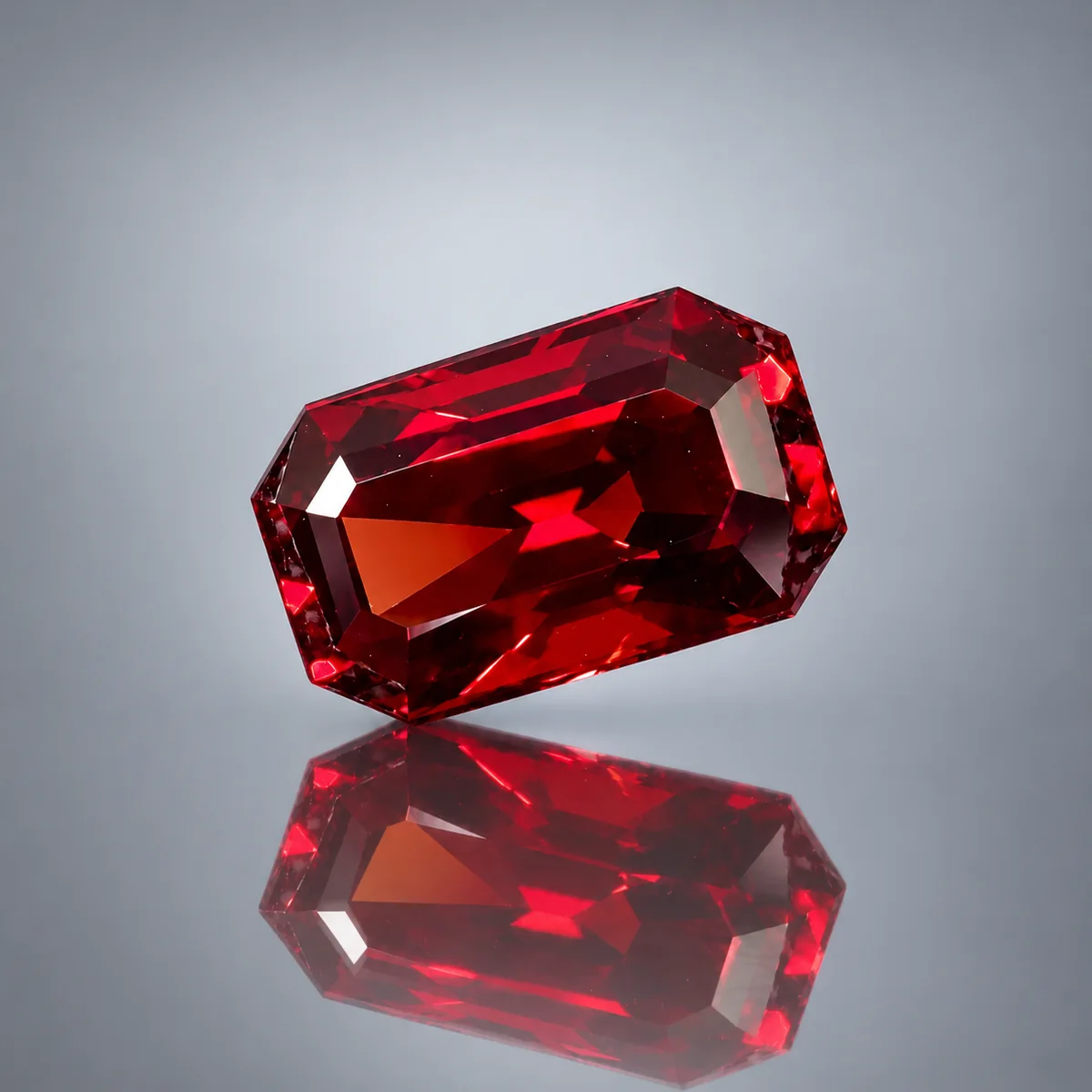
The authors list the stones imitated as citrine, peridot, emerald, tsavorite, topaz, tourmaline, spinel, sapphire, ruby, garnet and kunzite. Transparent, translucent and opaque versions exist.
How a maker produces it
GIA scientists watched the full process at a Formica plant in Thailand in August 2024. A batch of more than 40 kilograms is mixed and melted, cast into slabs and cooled under control. Workers remove bubbles and cloudy areas, then heat the glass again in a controlled way to crystallise it. Cutting and polishing come last.
The team studied 60 glass-ceramic samples. Forty came from the Formica Group, including 24 transparent round brilliants and 16 translucent to opaque cabochons. Twenty were bought from an unknown manufacturer. They also tested three optical glasses for comparison.
The tests that expose it
The authors report the following properties for this composition.
- Refractive index
- Single refraction, from 1.60 to 1.63.
- Specific gravity
- 2.85 to 3.42 by hydrostatic weighing.
- Polariscope
- Mostly single refractive with occasional anomalous double refraction. Some translucent stones act as uniaxial.
- Ultraviolet
- Mostly inert under long wave light. Most look chalky white, blue or green under short wave light.
- Microscope
- Transparent stones are fairly clean with minute gas bubbles, straight graining and conchoidal fractures.
- Spectroscopy
- FTIR bands near 3640 to 3670, 3430 to 3450 and 3380 to 3390 reciprocal centimetres, absent in natural and artificial glass. A photoluminescence doublet at 687 and 689 nanometres resembles chromium emission in spinel.
- Chemistry
- EDXRF detects silicon, aluminium, magnesium, zinc, titanium and zirconium together. That combination does not occur in natural materials.
The authors add an important limit. Standard tests alone cannot separate glass-ceramics from their optical glass precursors, so advanced methods are needed. They also state that the criteria apply only to this composition system.
What to do about it
Price is the first alarm. The study reports retail prices under US$1 per carat for this material, so a fine natural stone offered at that level is not what it claims to be.
The second protection is the report. GIA reports state whether a stone is natural or synthetic and list detectable treatments. Ask for a report from a recognised laboratory on any stone that matters to you, and check the report number with the laboratory.
The study describes transparent glass-ceramic as relatively clean and notes that manufacturers can add flaws to make it look natural. A clean stone proves nothing either way, so read the evidence on the report instead.
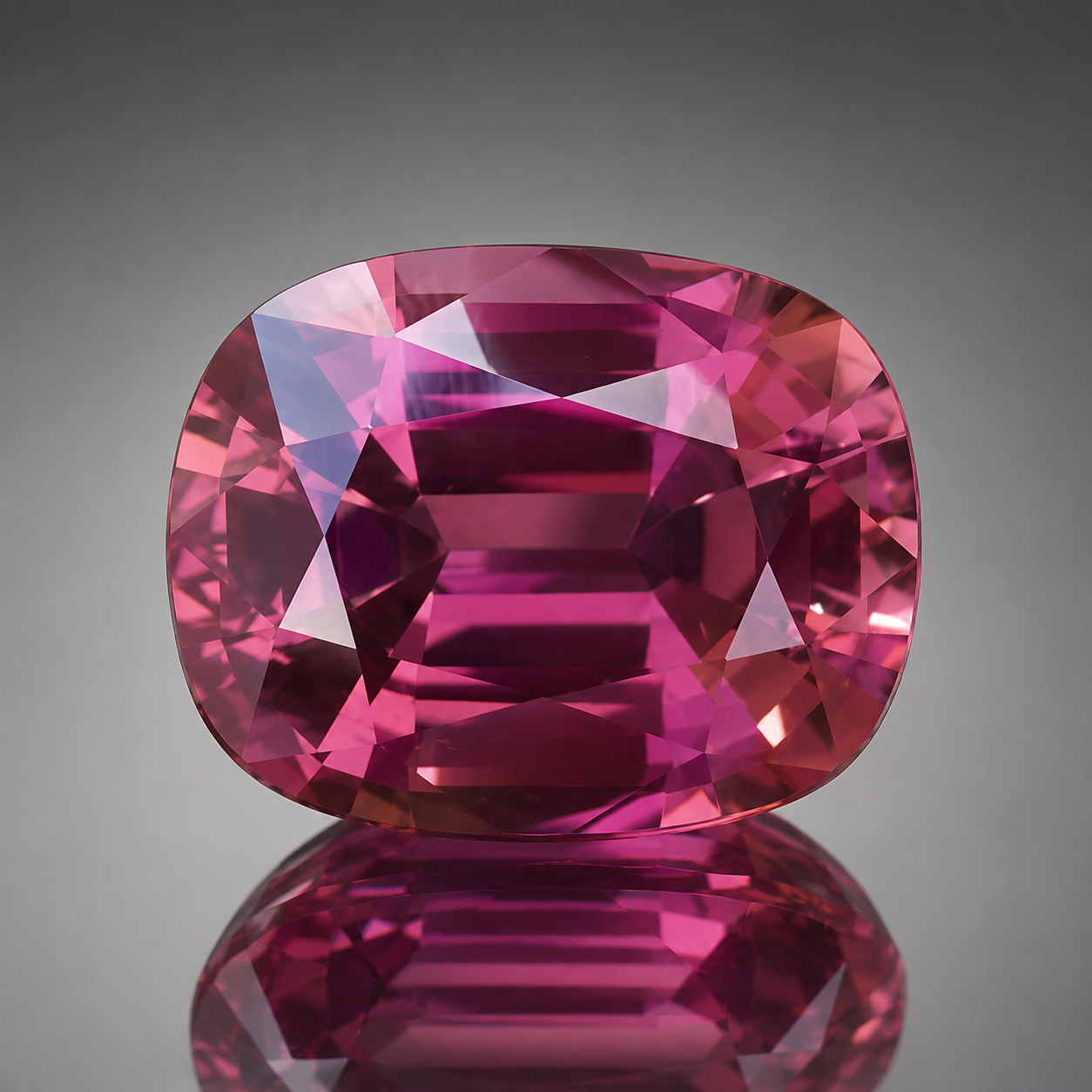
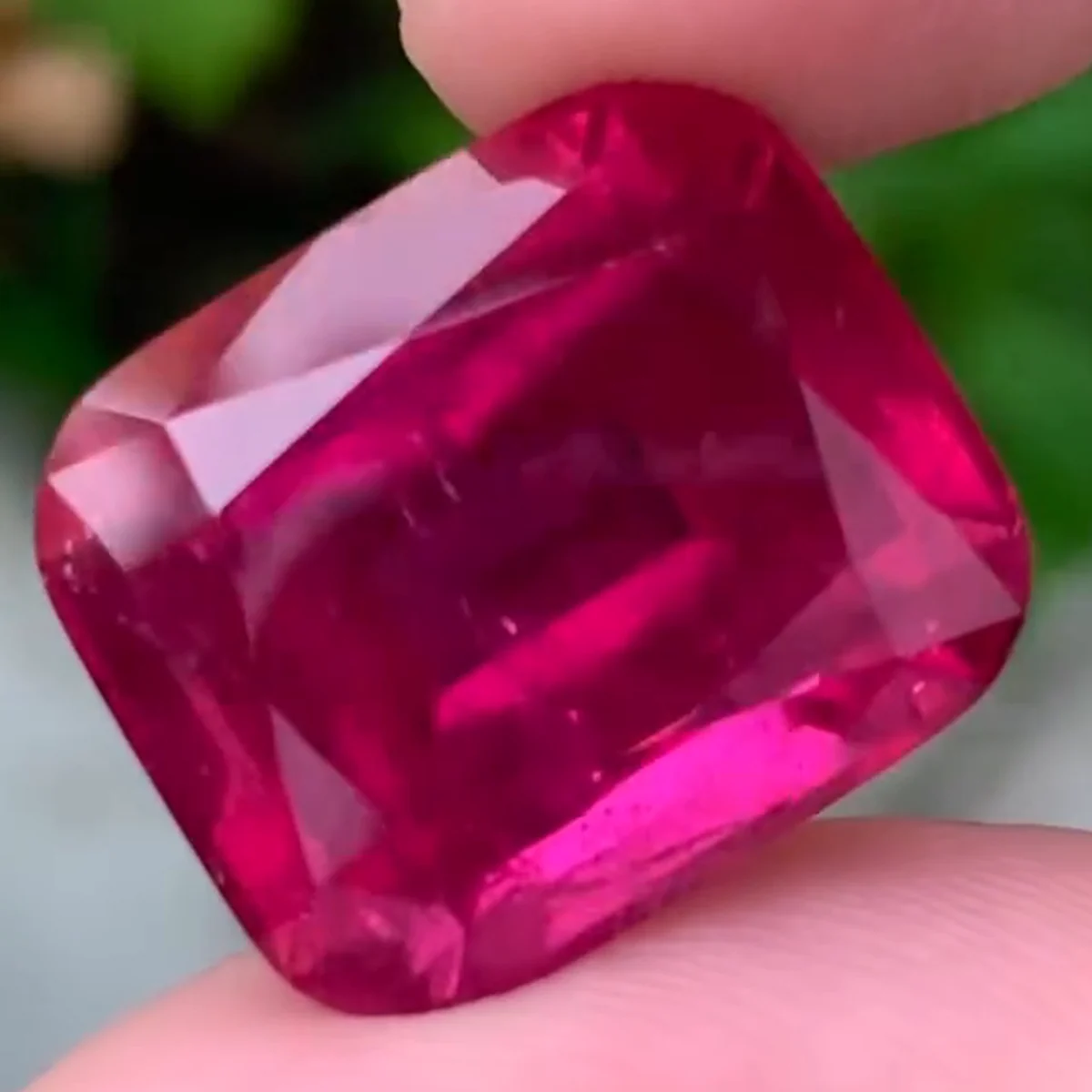
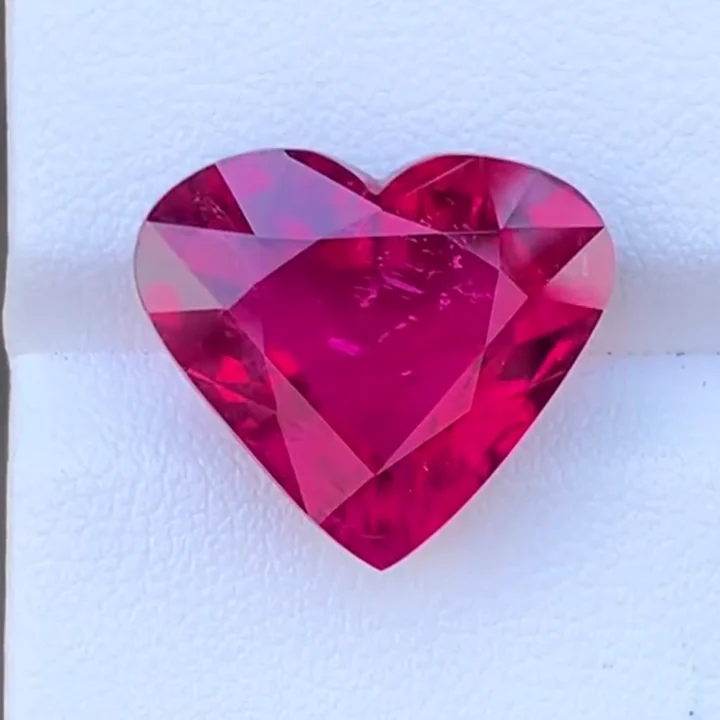
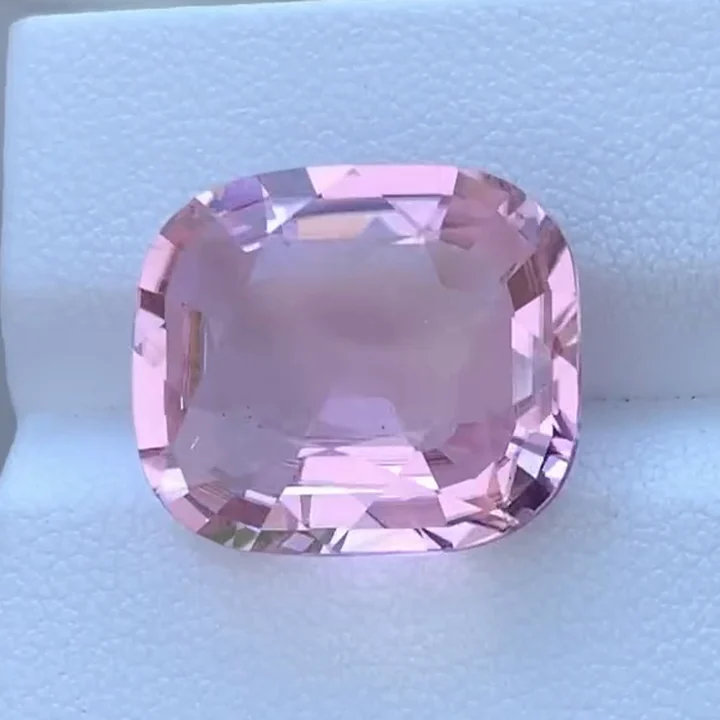
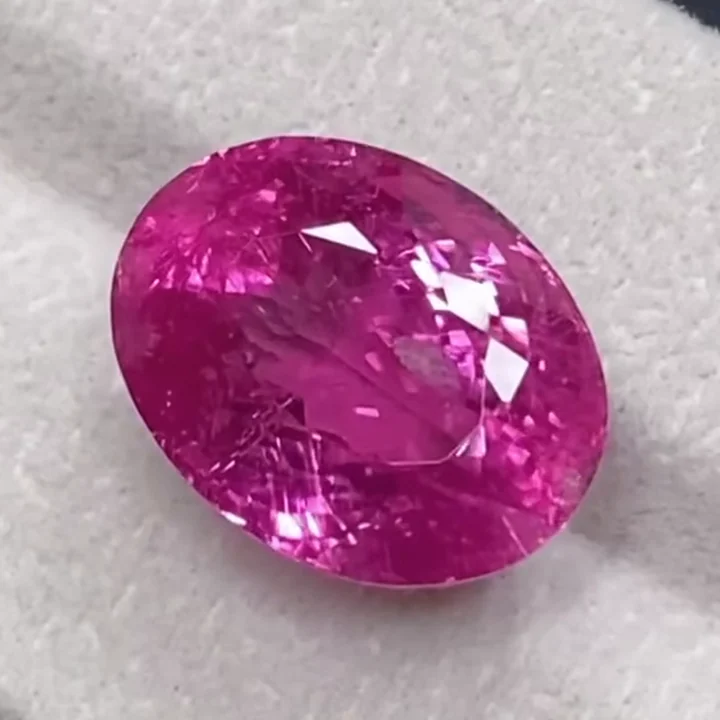
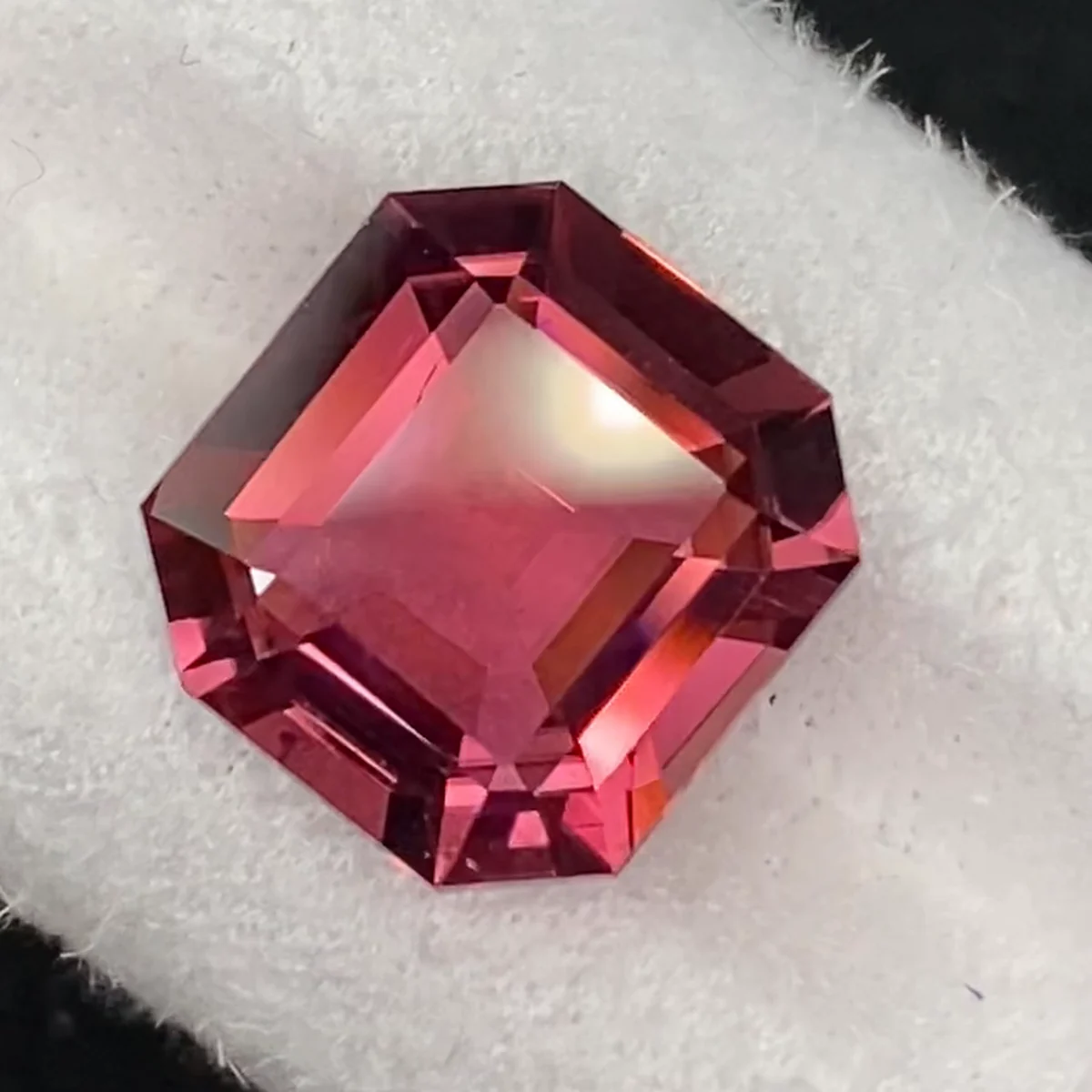
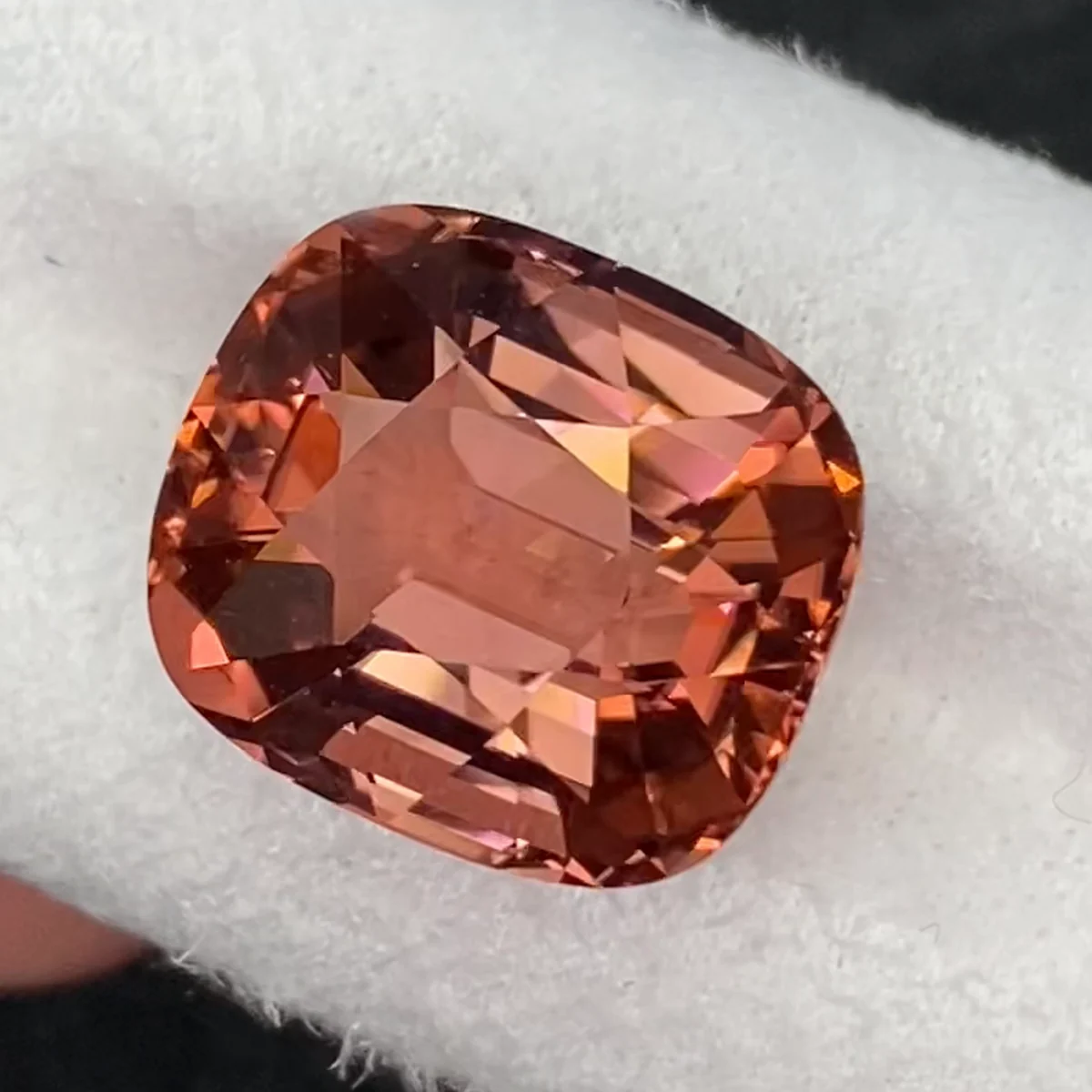
We sell natural stones with the treatment stated on every listing, including pink and red tourmaline, which the study names among the imitated stones. If you want a second opinion before you buy, ask us for the details and take the stone to a laboratory.
Looking for a stone like this?
We keep stock in Bangkok and answer questions about grading, treatment and price without pressure.

Join the conversation
Ask a question or share what you have seen. We read every comment and reply to the good questions.
Loading comments