
The study in brief
Gems & Gemology published Characterization of Red and Orange Spinel from Myanmar and Vietnam in its Summer 2026 issue, volume 62, number 2. The authors are B. Aksorn, T. Assawincharoenkij, D. T. A. Vu, D. Schwarz, B. Wanthanachaisaeng and C. Sutthirat.
They examined 127 stones, each cut into a polished wafer. The red group held 13 stones from Mogok, 25 from Lang Chap and 25 from An Phu. The orange group held 14 from Mogok, 25 from Lang Chap and 25 from An Phu.
Three deposits in marble
Mogok sits in the Mogok Metamorphic Belt in Myanmar. Its spinel occurs in granulite facies marble linked to the collision of India and Asia.
Lang Chap in Vietnam is mostly secondary deposits, meaning the stones have washed out of their original rock. It lies between the Red River and Chay River faults. An Phu lies east of the Red River Fault in the Lo Gam zone, and its spinel formed in marble.
The authors point out that all three deposits are marble hosted and tied to Himalayan tectonics. They say that shared history makes separating the stones by trace elements and inclusions difficult.
What makes red and what makes orange
The authors tie colour to the ratio of chromium to vanadium. They give the numbers as parts per million atomic.
- Red spinel
- Chromium 2348 to 9243 and vanadium 169 to 920, a ratio of 1.7 or higher.
- Orange spinel
- Chromium 104 to 951 and vanadium 188 to 1612, a ratio of 1.0 or lower.
Spectra showed absorption near 390 nanometres and between 534 and 540 nanometres from chromium and vanadium together. Red fluorescence tracked chromium content, not vanadium or iron. Every red stone glowed red under both long wave and short wave ultraviolet light.
Standard properties came out the same across the sample. Refractive index ran from 1.710 to 1.728 and specific gravity from 3.528 to 3.692.
What the chemistry says about origin
For red spinel the result is encouraging. Titanium plotted against zinc separates Mogok, which carries higher titanium, from Lang Chap and An Phu, which carry less.
Orange spinel is harder. Vanadium against zinc separates Lang Chap from An Phu, but Mogok orange stones overlap with both. The authors state that separating orange spinel by source needs more samples and deposits from different geological settings.
This fits GIA's service list. Red spinel is one of the stones for which GIA names an origin. Orange spinel is not.
What it means when you buy
A red spinel with a laboratory origin opinion rests on solid ground. The study shows the chemistry can tell Mogok from Vietnam. An orange spinel with a country on a seller's invoice and no laboratory opinion rests on the seller's word.
Ask for the report and read the origin line. If the line says the origin was not determined, price the stone on colour, clarity, size and cut.
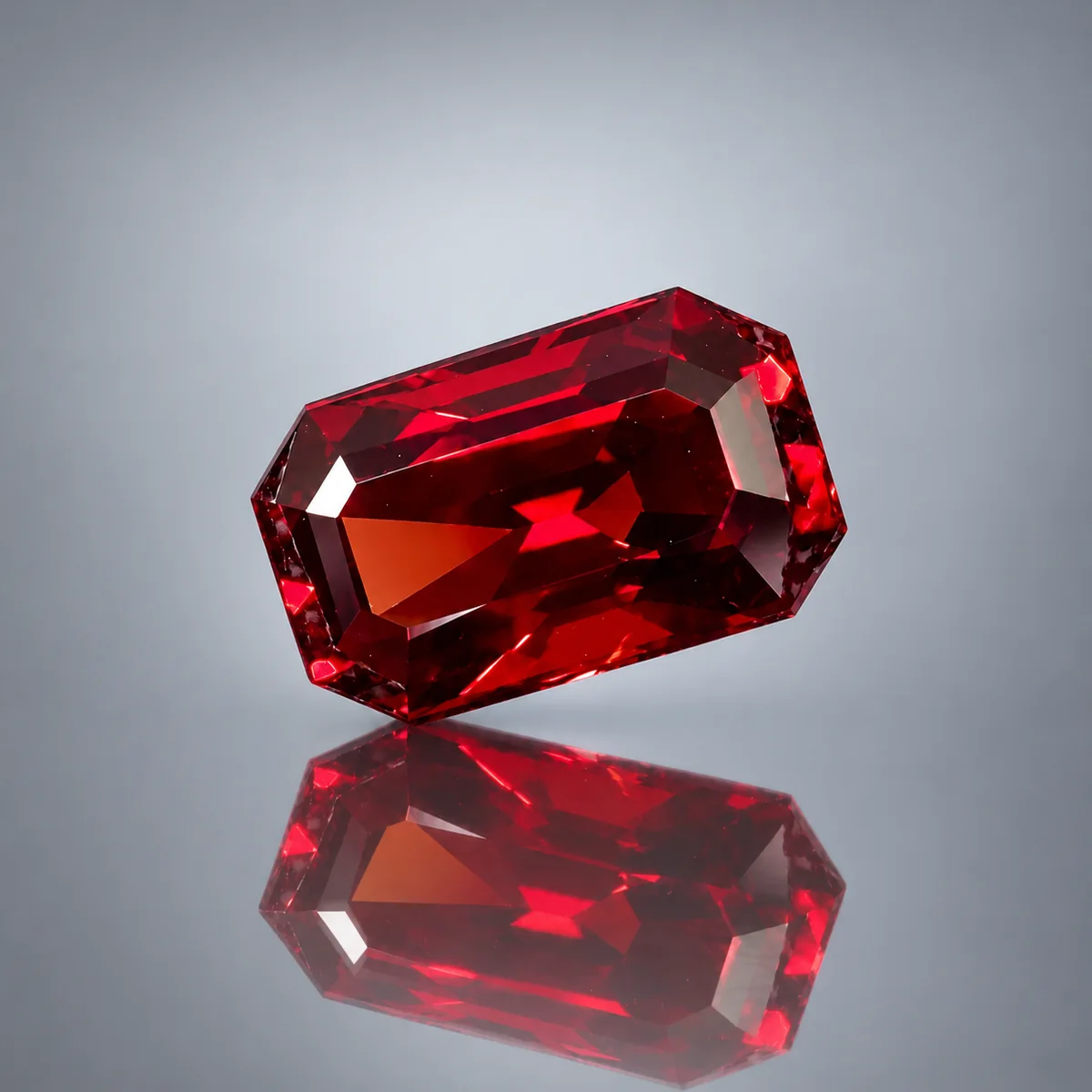
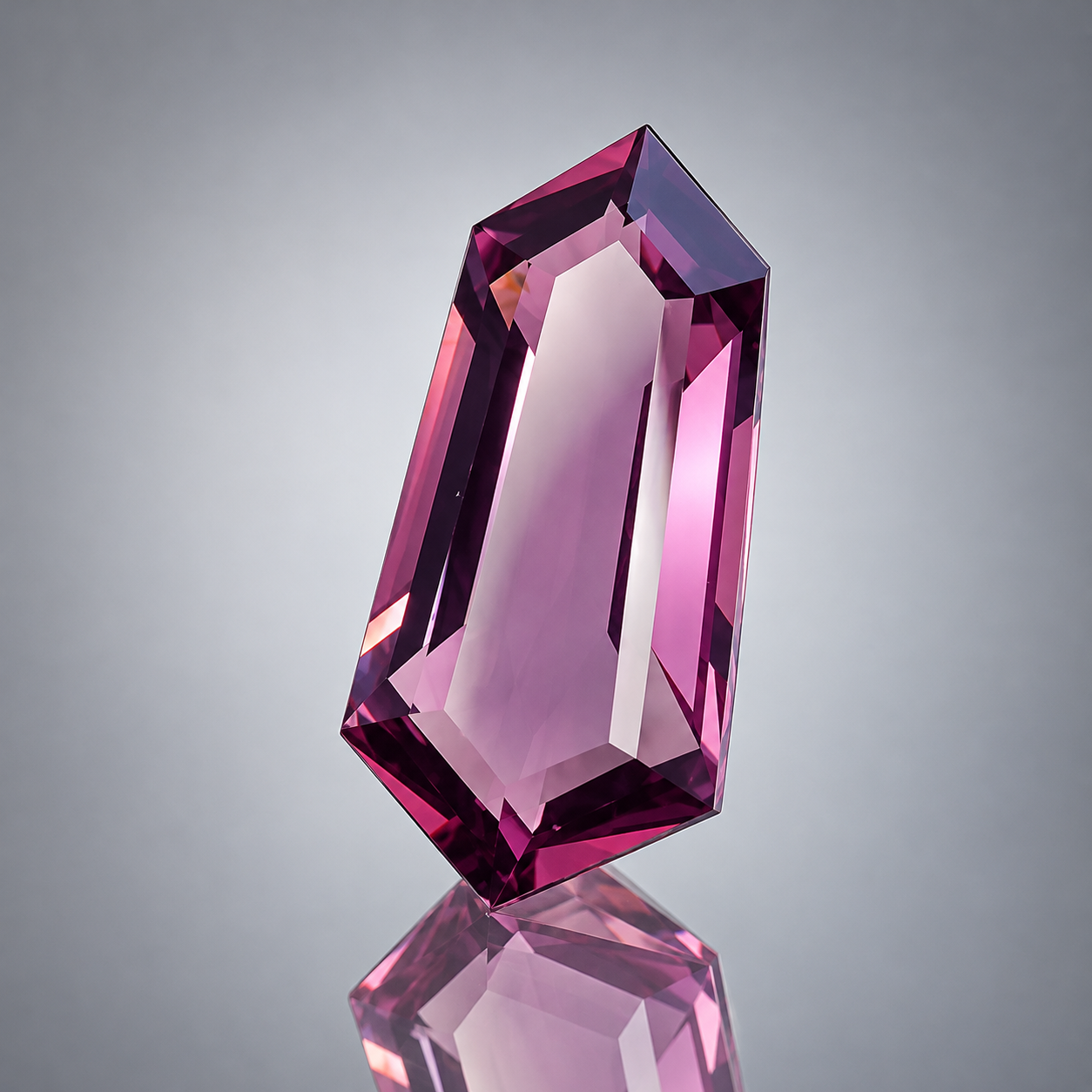
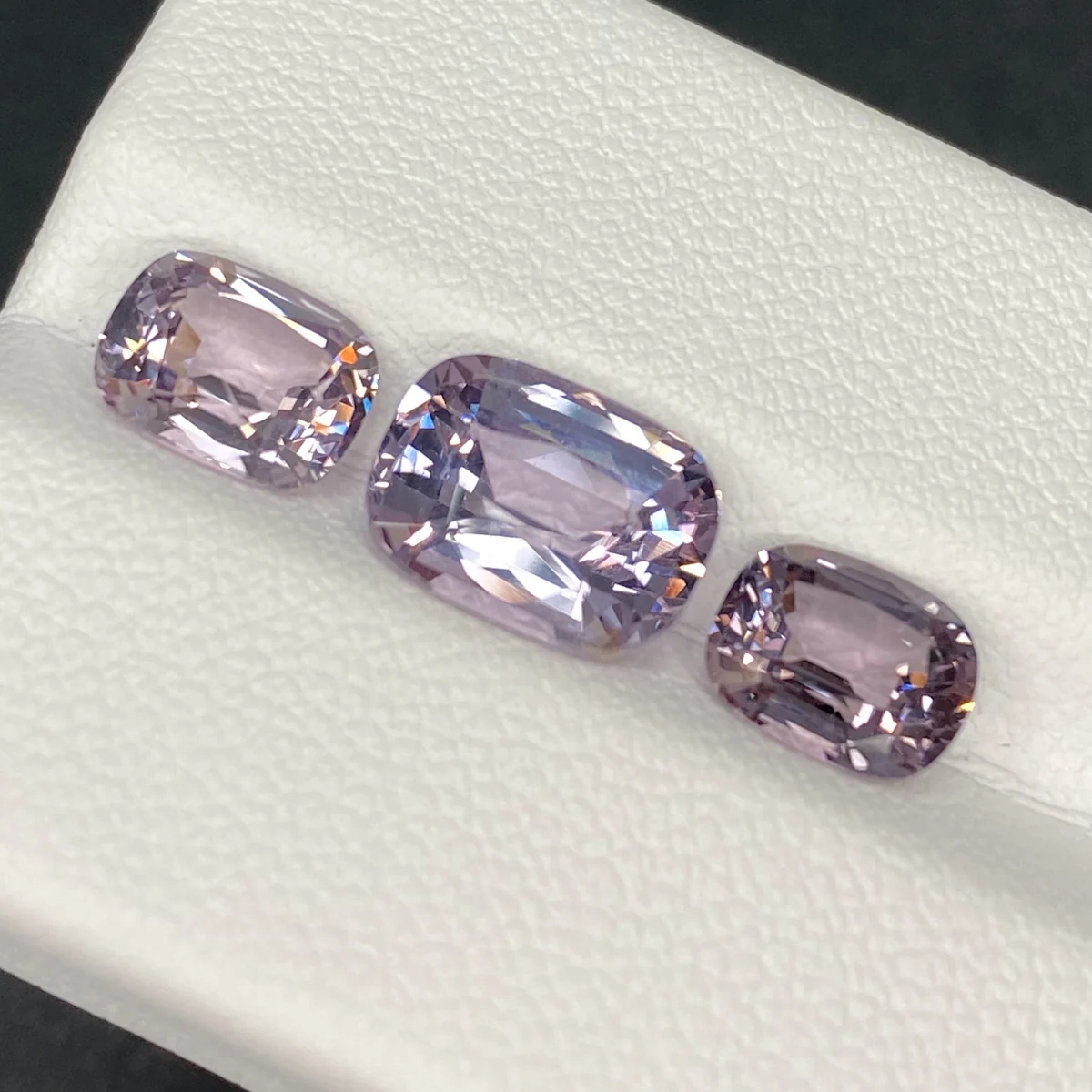
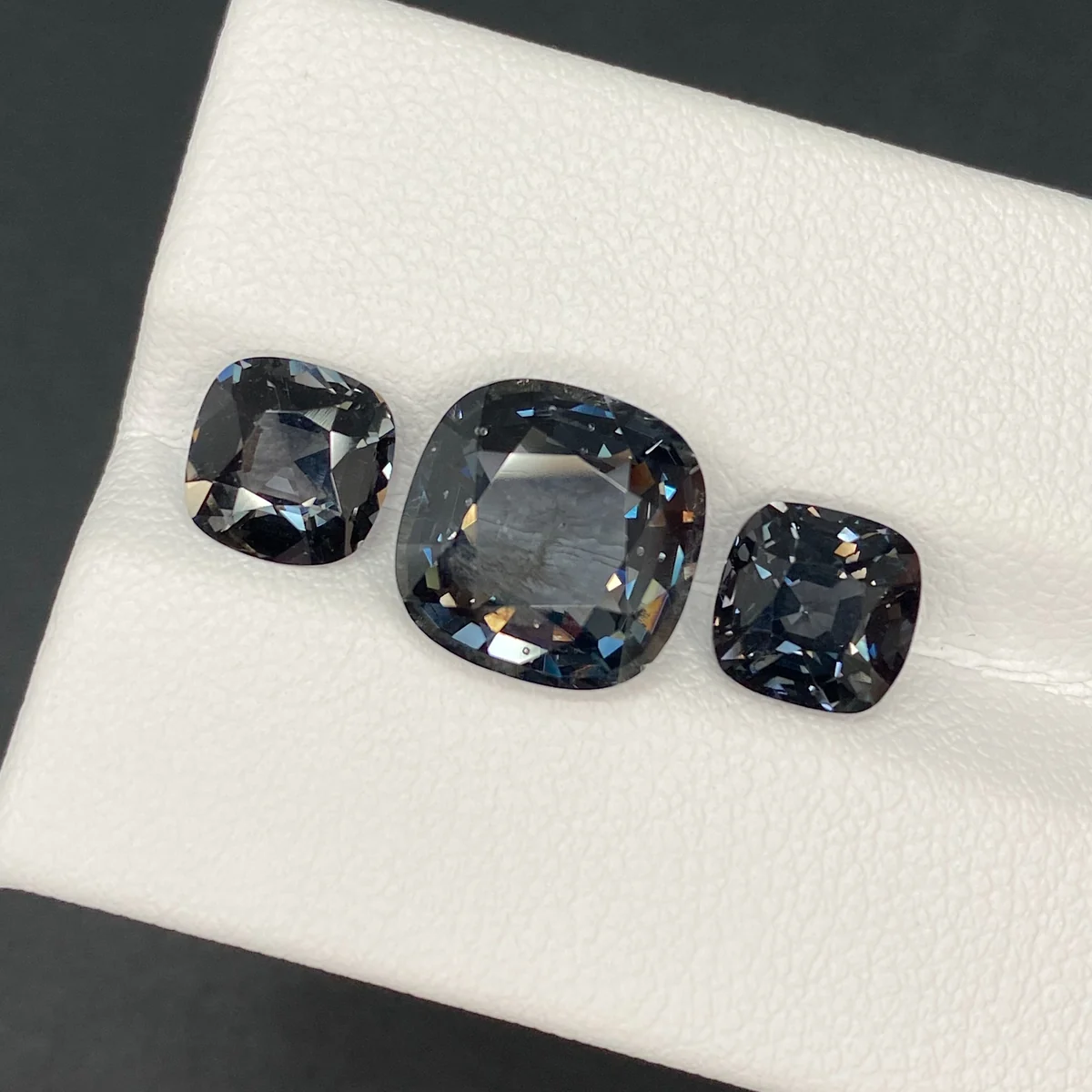
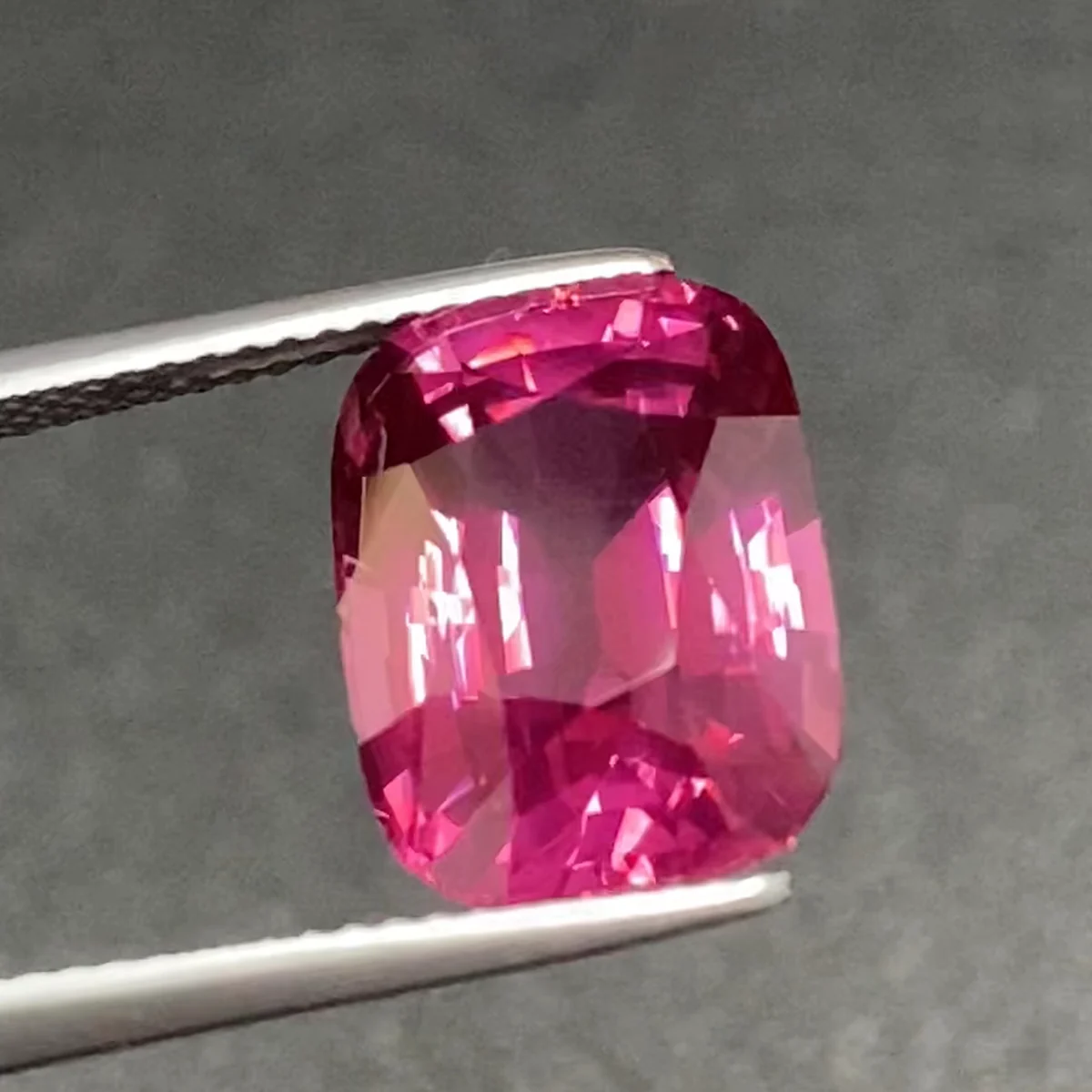
Our 2.66 ct emerald cut red spinel comes from Mogok. We also hold a mauve spinel from Burma, a grey Mogok trilogy and a lavender trilogy from Tanzania.
Looking for a stone like this?
We keep stock in Bangkok and answer questions about grading, treatment and price without pressure.

Join the conversation
Ask a question or share what you have seen. We read every comment and reply to the good questions.
Loading comments