
What changed on 1 January 2026
GIA announced in December 2025 that it would add origin determination for opal, peridot and demantoid garnet from 1 January 2026. It already offered the service for alexandrite, emerald, Paraíba tourmaline, red spinel, ruby and sapphire. It also recently added country of origin for untreated jadeite jade and omphacite jade from Myanmar and Guatemala.
Redesigned coloured stone reports launched on the same date. GIA also revised its weight categories and fees. The new categories, fees and report design apply to stones submitted on or after 1 January 2026.
Shane McClure, GIA's global director of coloured stone services, said the expanded services rest on a collection of 32,000 samples gathered by GIA field gemologists. He noted that GIA has issued coloured stone reports for more than 75 years.
The stones that now get an origin opinion
The full list as of 2026 reads as follows.
- Long standing
- Alexandrite, emerald, Paraíba tourmaline, red spinel, ruby and sapphire.
- Added in 2026
- Opal, peridot and demantoid garnet.
- Jade
- Untreated jadeite jade and omphacite jade from Myanmar or Guatemala.
Notice what is missing. Orange spinel, pink spinel, rubellite and spessartite do not appear on the list, so a report on those stones will not name a country. Red spinel is on the list. Other spinel colours are not.
What a report states
GIA's website says a coloured stone report describes the gemstone type, states whether the stone is natural or synthetic and lists any detectable treatments. It also records the cutting style, shape, weight, measurements and colour, and it carries a photograph. You can submit loose or mounted stones.
On origin, GIA's wording is careful. Origin is provided when it is determinable, and only for certain stones. A report on a stone that is on the list can still leave the line without a country.
Where origin testing reaches its limit
GIA's own journal shows the problem clearly. A study in the Summer 2026 issue of Gems & Gemology examined 127 red and orange spinel from Mogok in Myanmar and from Lang Chap and An Phu in Vietnam. The authors found that titanium against zinc separates the red stones by source. They also found that orange stones only separate partially, because Mogok orange spinel overlaps with both Vietnamese sources in their chemistry.
The authors explain why. All three deposits sit in marble and formed during Himalayan mountain building, which makes their trace elements and inclusions similar. They call for more samples from other deposits to improve the method.
The practical lesson is simple. An origin line is an expert opinion built on chemistry and inclusions measured against a reference collection. It is strong when the data separates the sources and silent when it does not. Both outcomes are honest.
How to use this when you buy
Read the variety line, the treatment line and the origin line as three separate answers. A stone with a country on the report and a stone without one are different purchases, and the price should reflect that.
Ask which laboratory issued the report and check the report number with that laboratory. Then compare the stone to the report in daylight, since the report does not describe how a stone looks to you.
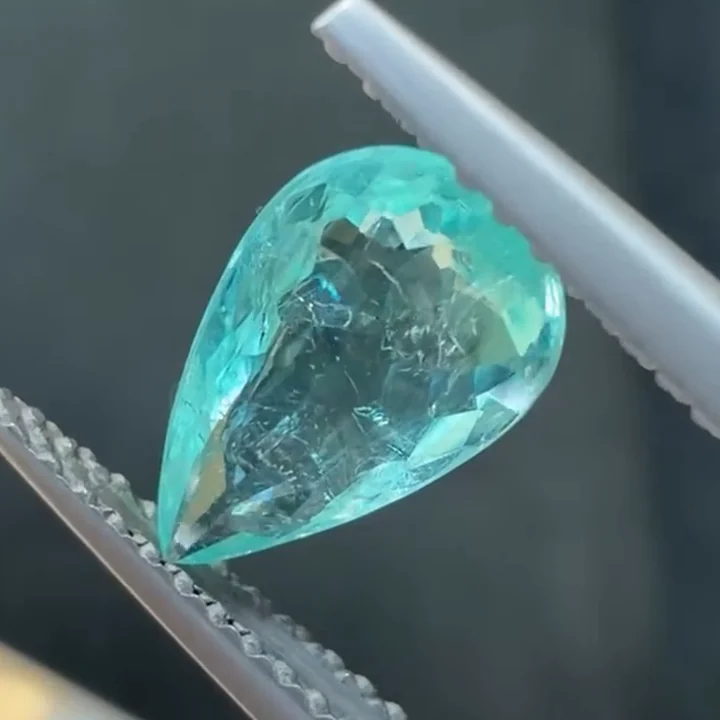
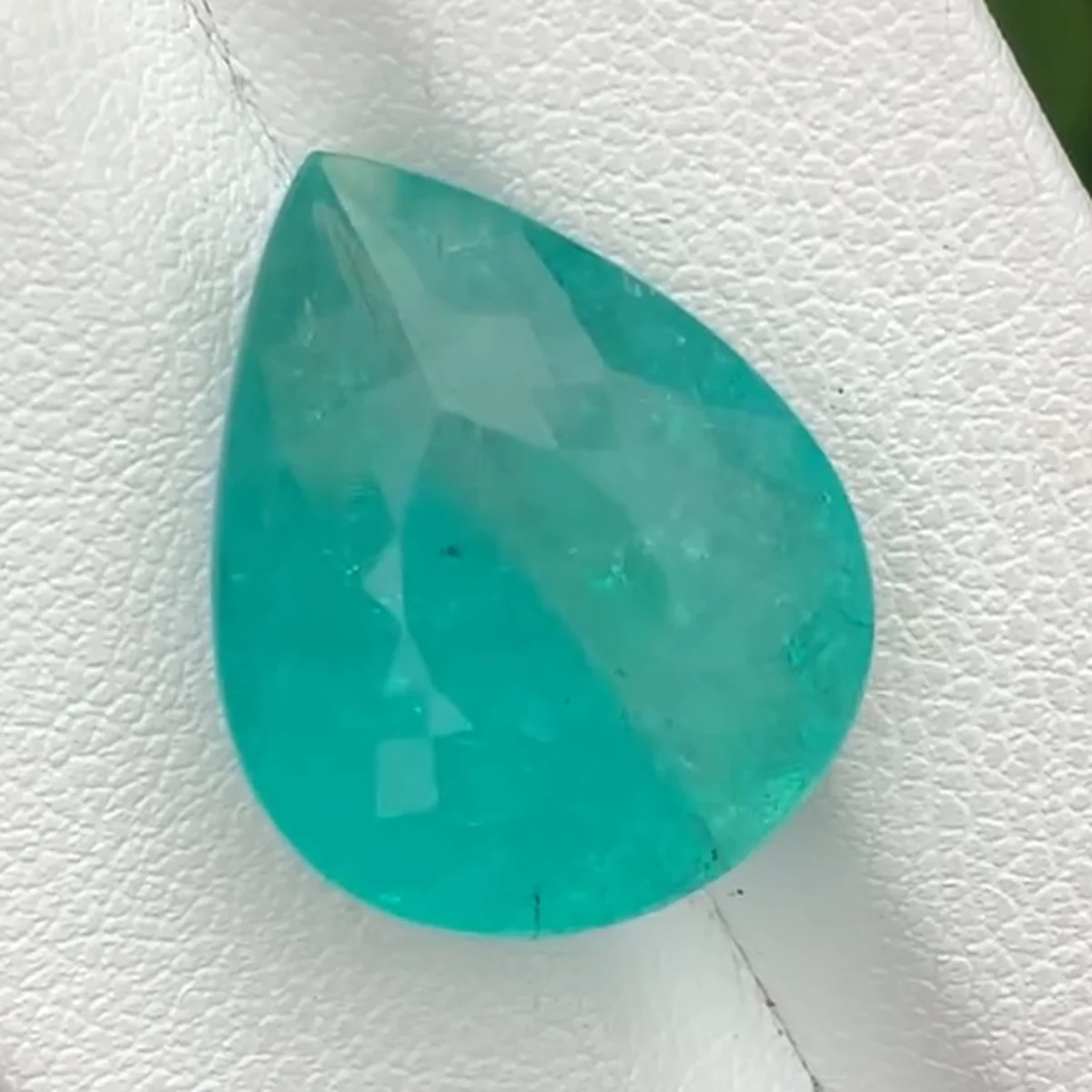
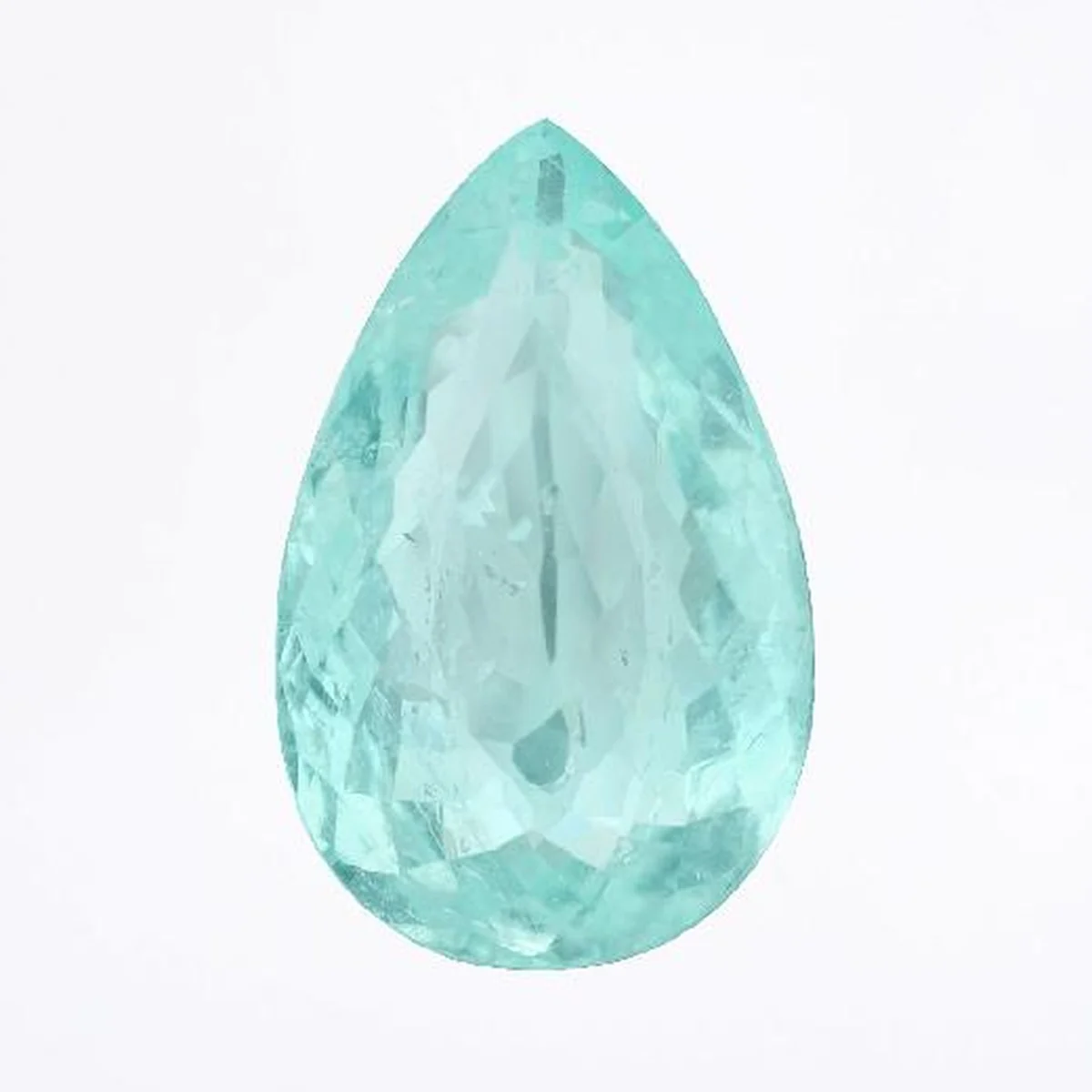
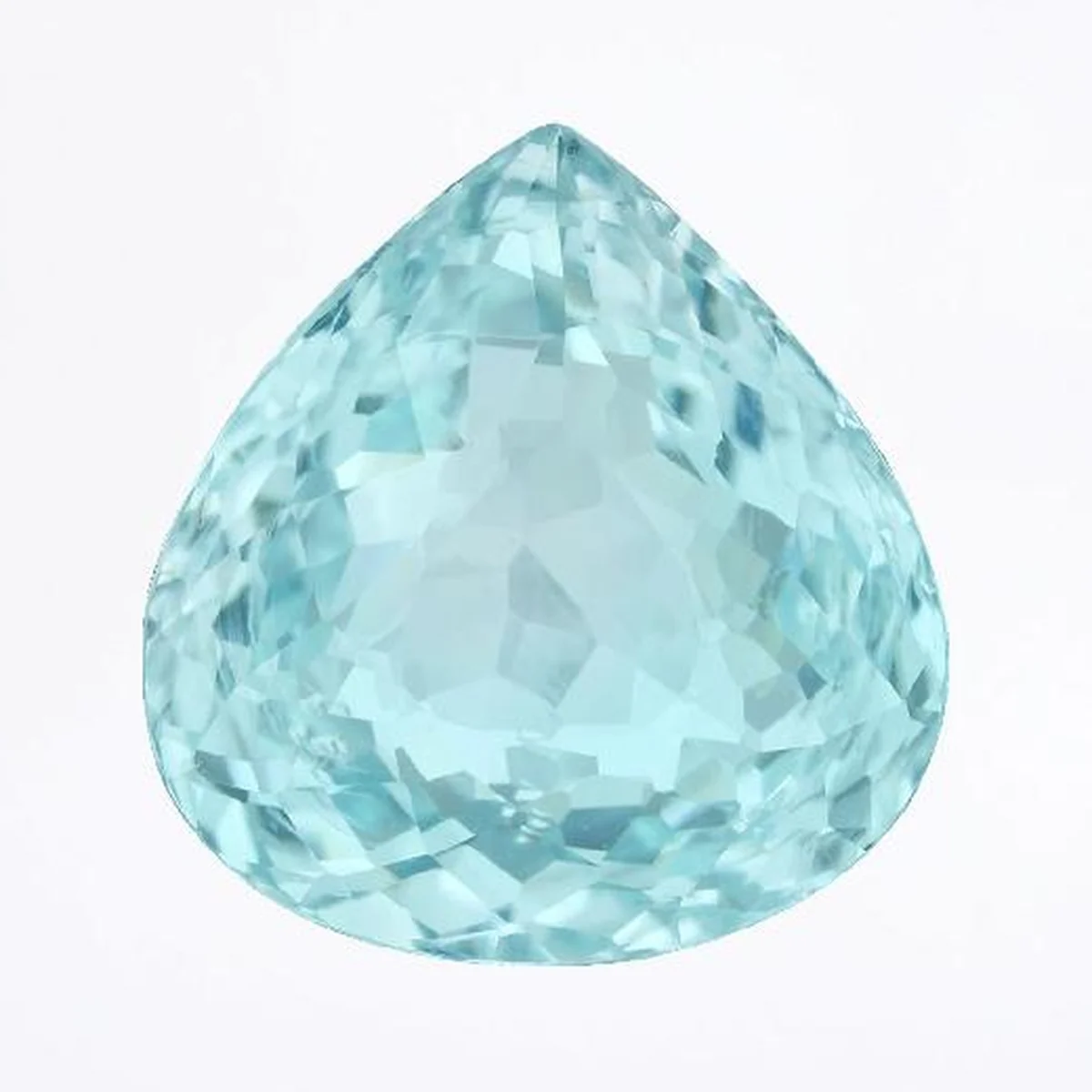
We hold several paraiba tourmalines with GIA reports and a GIA reported Nigerian emerald. Those listings show the report so you can read what it says before you decide.
Looking for a stone like this?
We keep stock in Bangkok and answer questions about grading, treatment and price without pressure.

Join the conversation
Ask a question or share what you have seen. We read every comment and reply to the good questions.
Loading comments