
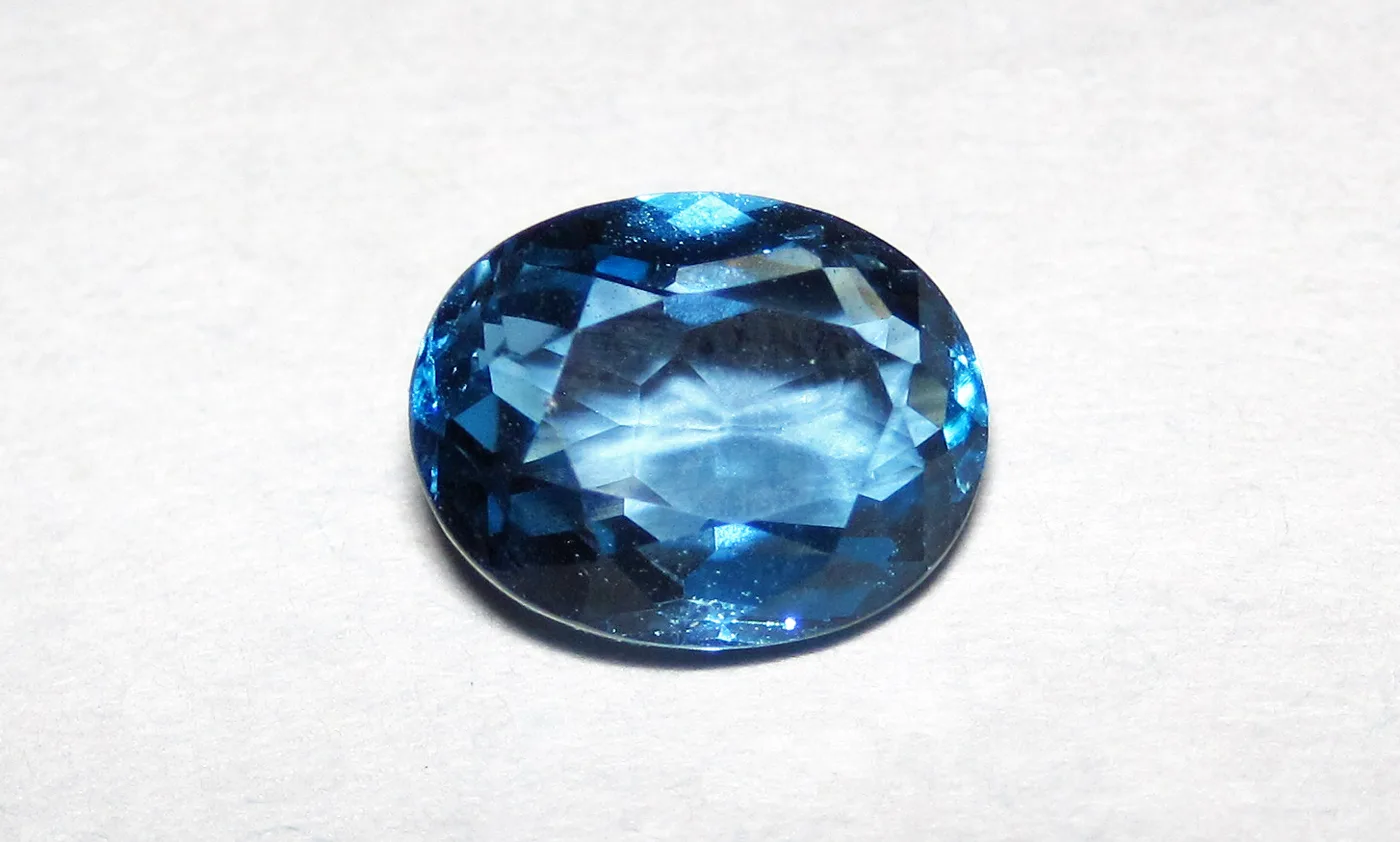
What topaz is
IGS describes topaz as an aluminium fluorosilicate that occurs in many colours. Hardness is 8. Refractive index runs from 1.607 to 1.649, birefringence from 0.008 to 0.011 and dispersion is 0.014. Specific gravity sits near 3.50 to 3.57.
GIA lists topaz as a November birthstone, as does IGS.
The natural colours
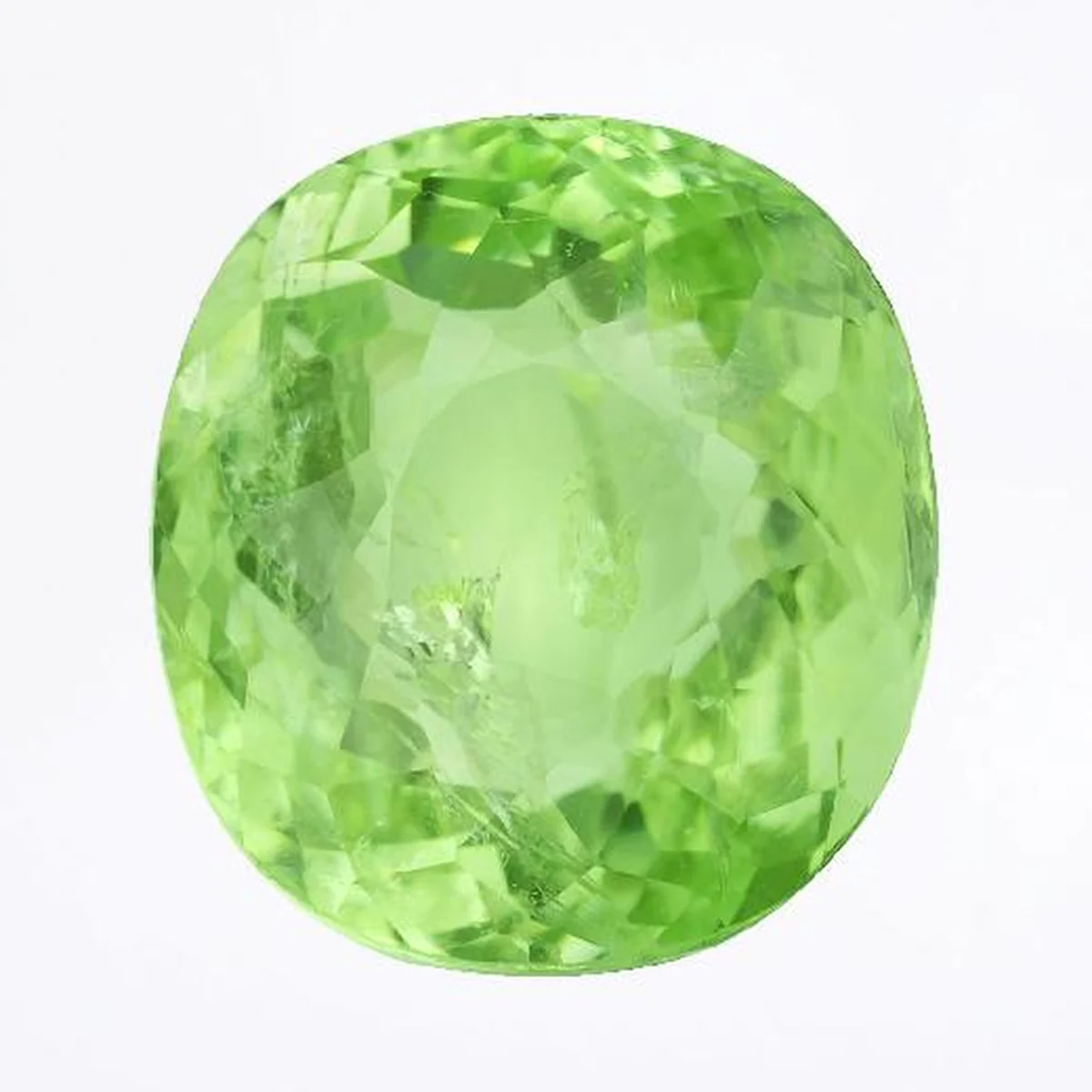
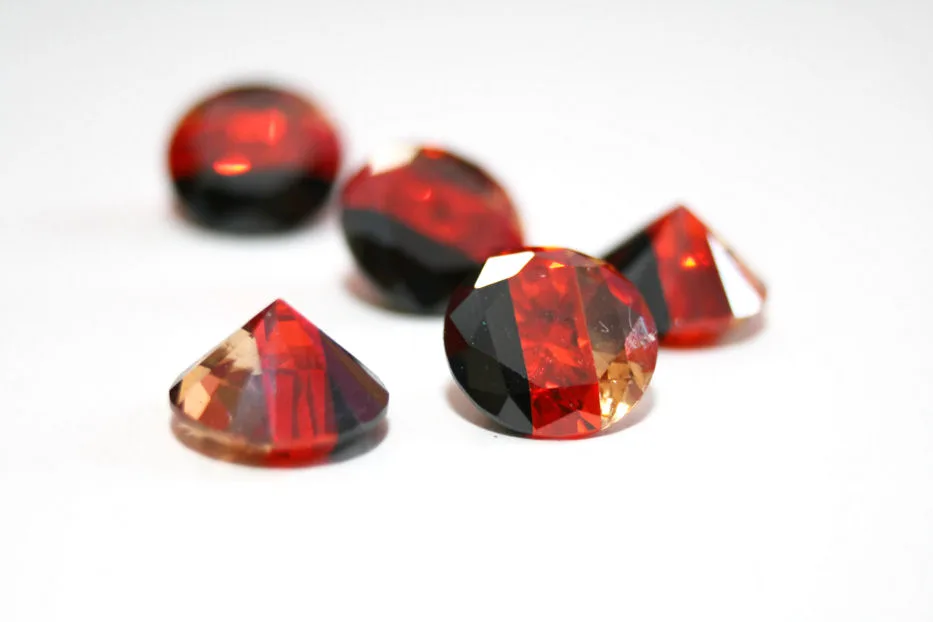
IGS lists colourless, white, grey, pale to medium blue, greenish, yellow, yellow brown, orange, pale and deep pink, tan, beige and red.
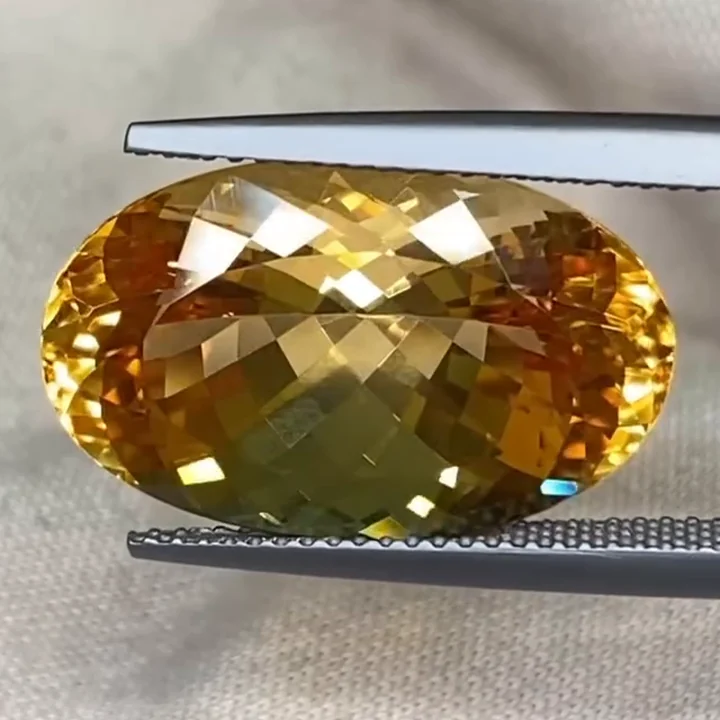
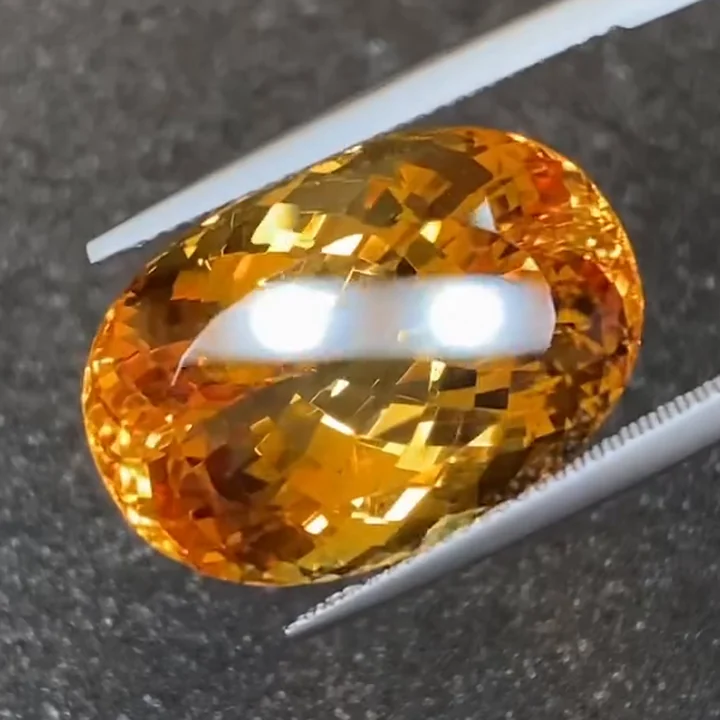
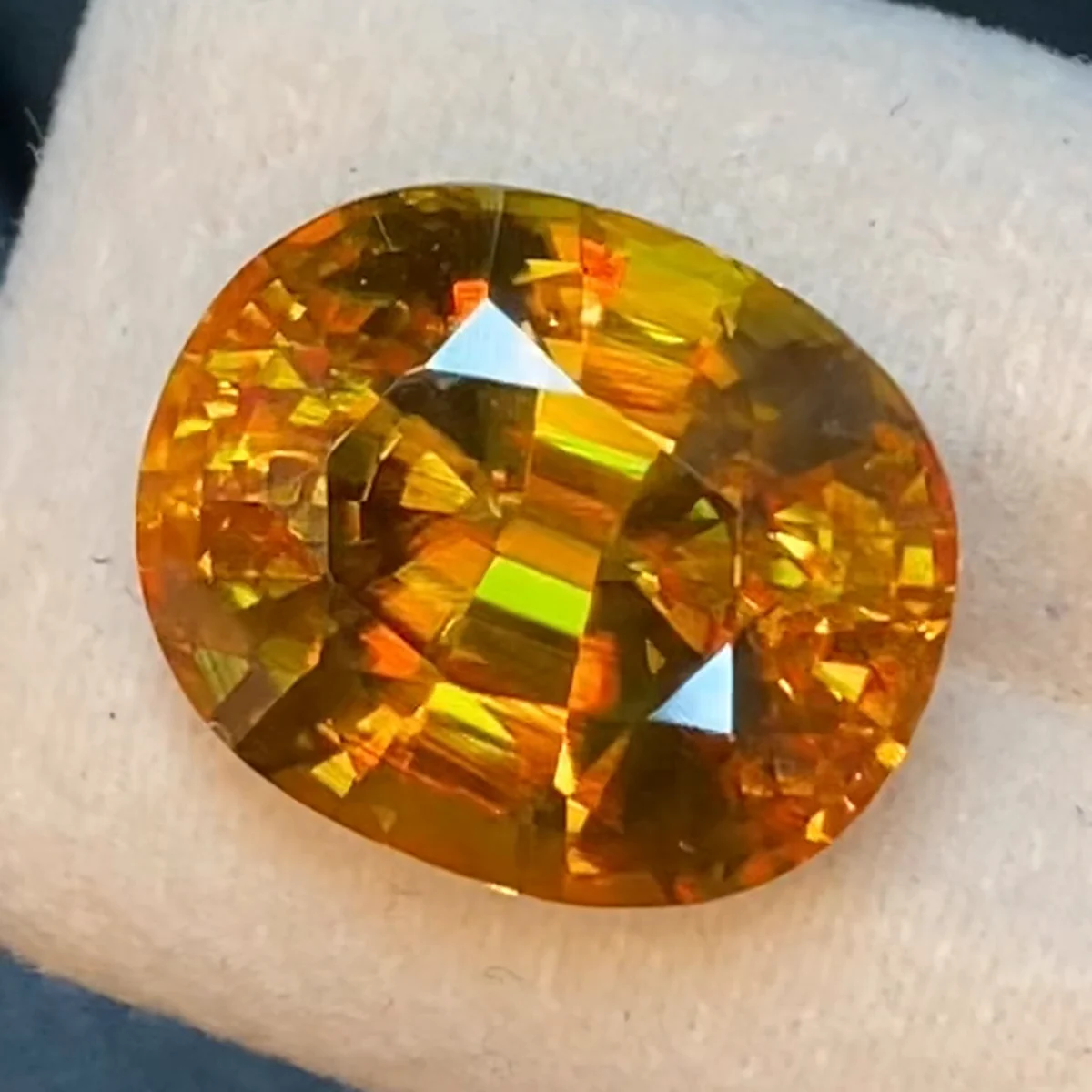
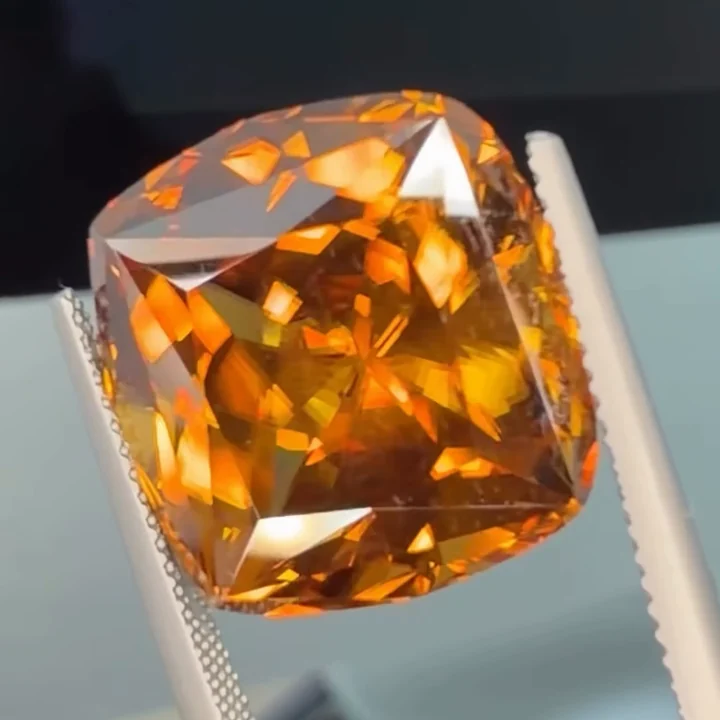
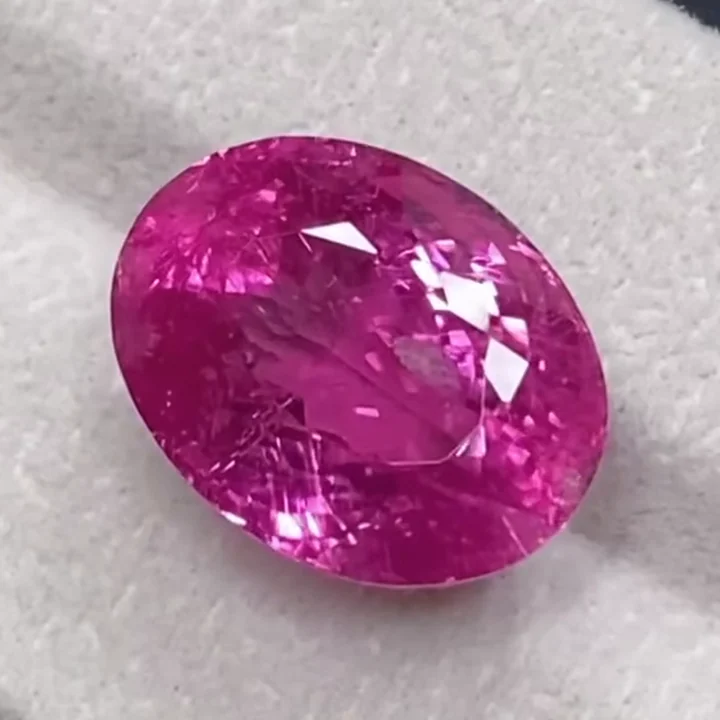
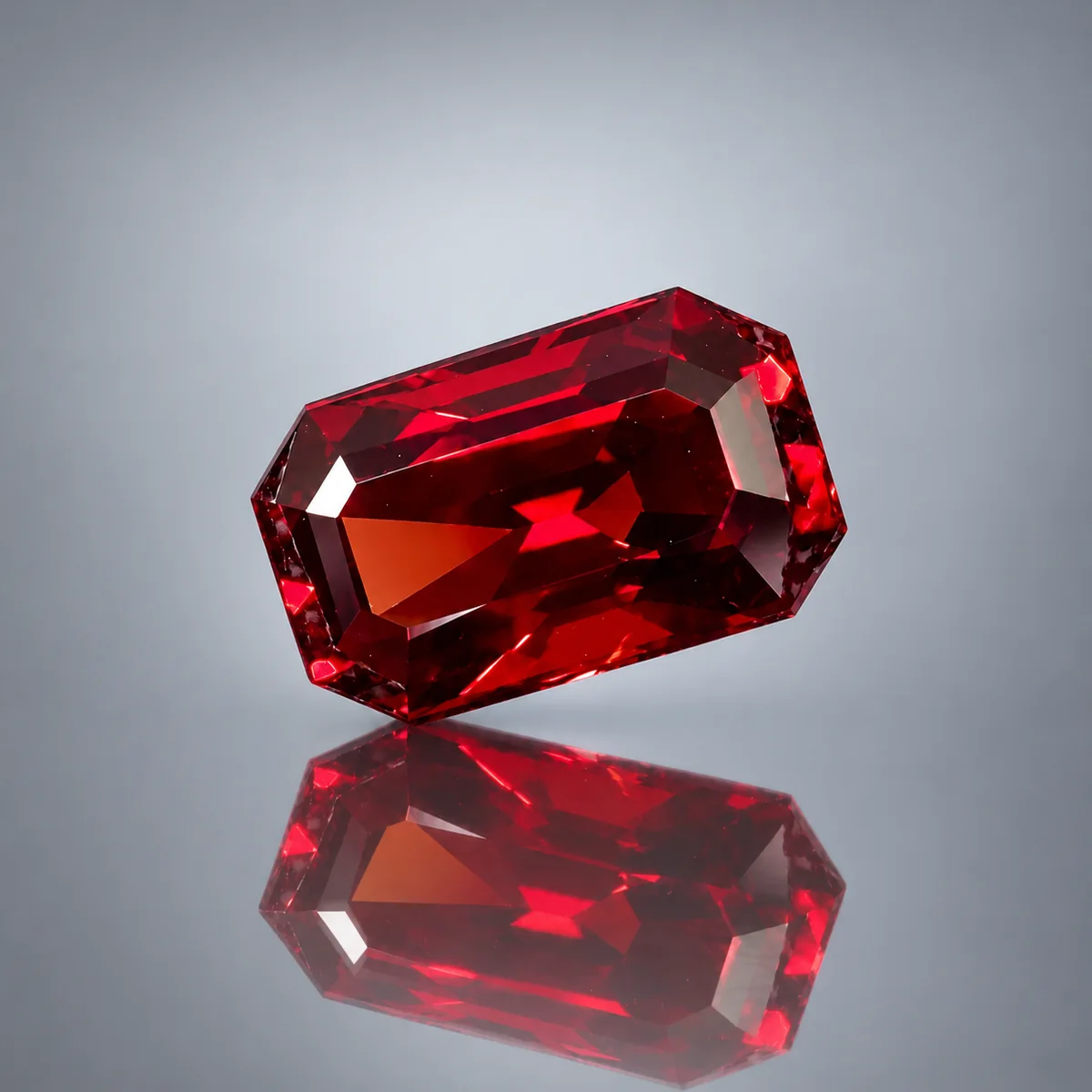
The value order is clear. IGS states that natural pink and red stones are the rarest and most valuable, followed by orange and yellow. Colourless topaz is common and low in value. Imperial topaz is the intense reddish orange, and our article on Ouro Preto covers it.
Size matters at the top end. IGS notes that pink stones over 5 carats are rare and that the largest known pink topaz is an oval of more than 79 carats from Russia.
Where it comes from
IGS names Brazil, specifically Minas Gerais, as the main gem source. Other sources include Russia, with pink stones from Sanarka in the Urals, Pakistan, with pink from Katlang, Mexico, the United States in Utah, Colorado and Texas, Myanmar, Namibia, Nigeria and Sri Lanka.
Treatments
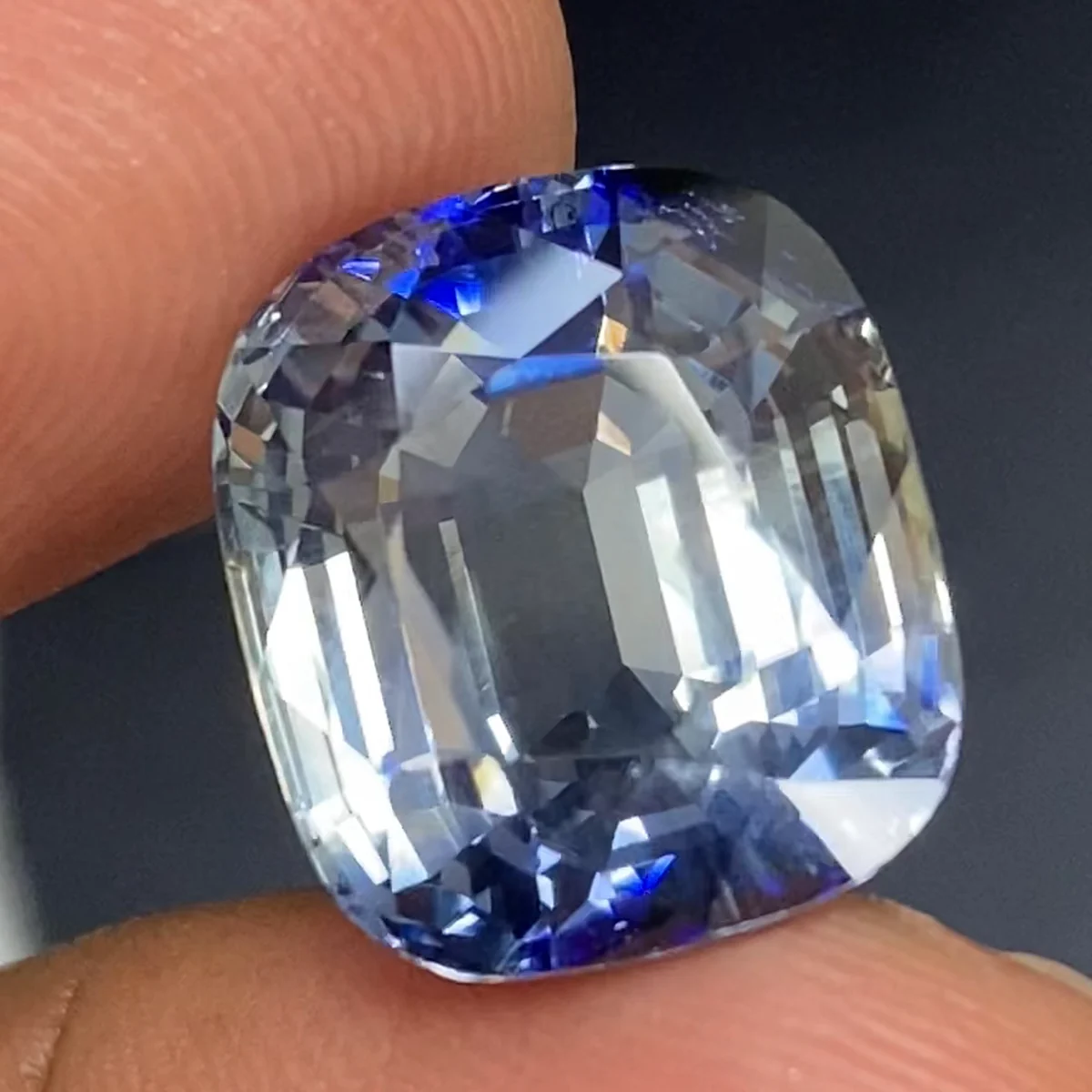
GIA states that blue topaz is rarely natural and that its colour is nearly always the result of treatment. IGS explains the process. Producers irradiate colourless or pale stones and then heat them. The result is stable and hard to tell from natural blue.
Heat can also change other colours. IGS reports that heating turns some yellow, orange and brown stones pink or red.
Mystic topaz is a separate case. IGS says the multicoloured surface is a coating applied by chemical vapour deposition. It scratches easily and it can be detected by immersion.
Ask for the treatment in writing. Our 34.37 ct imperial topaz carries a GRS report that states no indication of heat.
Caring for topaz
Hardness 8 protects topaz from scratches. Cleavage is the weakness. IGS describes perfect cleavage in one direction, so the stone can split under heat, vibration or uneven stress.
IGS advises against ultrasonic and steam cleaning. Use a soft brush, mild detergent and warm water. Protective settings reduce stress on the cleavage, so choose a setting that surrounds the stone and avoid sharp knocks.
Looking for a stone like this?
We keep stock in Bangkok and answer questions about grading, treatment and price without pressure.

Join the conversation
Ask a question or share what you have seen. We read every comment and reply to the good questions.
Loading comments