
A country of many stones
Wim Vertriest, GIA's supervisor of field gemology in Bangkok, described Nigeria in Gems & Gemology in Spring 2020 as an important supplier of many coloured gemstones that remain largely unknown to the public. He pointed to a long tradition of blacksmiths and goldsmiths that supports a strong jewellery culture.
The stones fall into four main families. Tourmaline leads in colour range. Garnet, emerald and sapphire follow. Beryl in other colours and topaz appear too.
The same report profiles Mina Stones, founded by GIA Graduate Gemologist Amina Egwuatu of Abuja. The company sources, cuts, designs and makes jewellery in its own African workshops, and it draws on Nigerian traditions such as the Arewa knot, a symbol of unity in northern Nigeria.
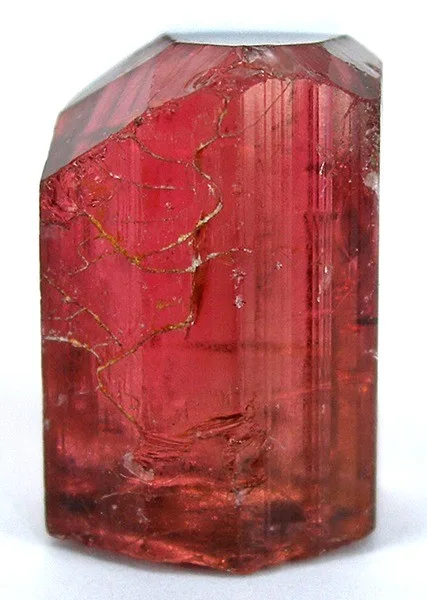
Rubellite from Oyo State
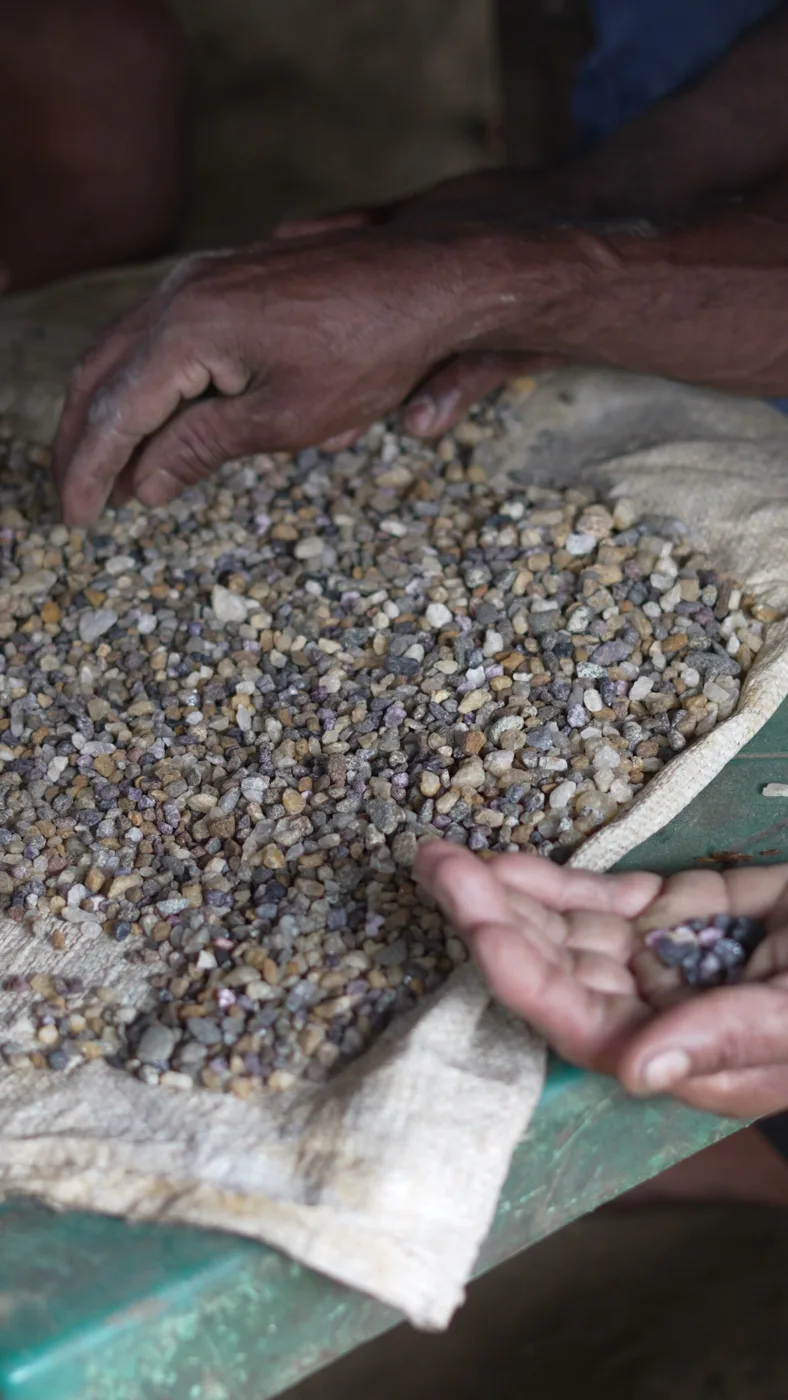
GIA's Andrew Lucas and Tao Hsu reported in Spring 2017 that the Oyo State rubellite operation ran about 350 pits. Pits are 10 to 20 metres deep and miners climb ladders. Ten to 15 miners work each pit. Crews blast and tunnel pegmatites, and some larger open pit operations use excavators and carts. Alluvial deposits give rubellite pebbles with less earth moved.
The sizes are striking. The report gives single crystals of 18 kilograms or more, and says many crystals sent to Bangkok weigh a kilogram or more. A large pocket can yield a ton of rubellite.
Vertriest added in 2020 that the original Oyo find has been dormant for a long time. A newer rubellite deposit near Calabar in Cross River State yields higher volumes at slightly lower quality.
Indicolite, green and pink tourmaline
The 2017 report describes Kwara State as a source of indicolite and green tourmaline, including some pink and bicolour stones. The first indicolite production sent to Bangkok ran in crystals of 2 to 34 grams. IGS lists Nigeria among the major tourmaline producers.
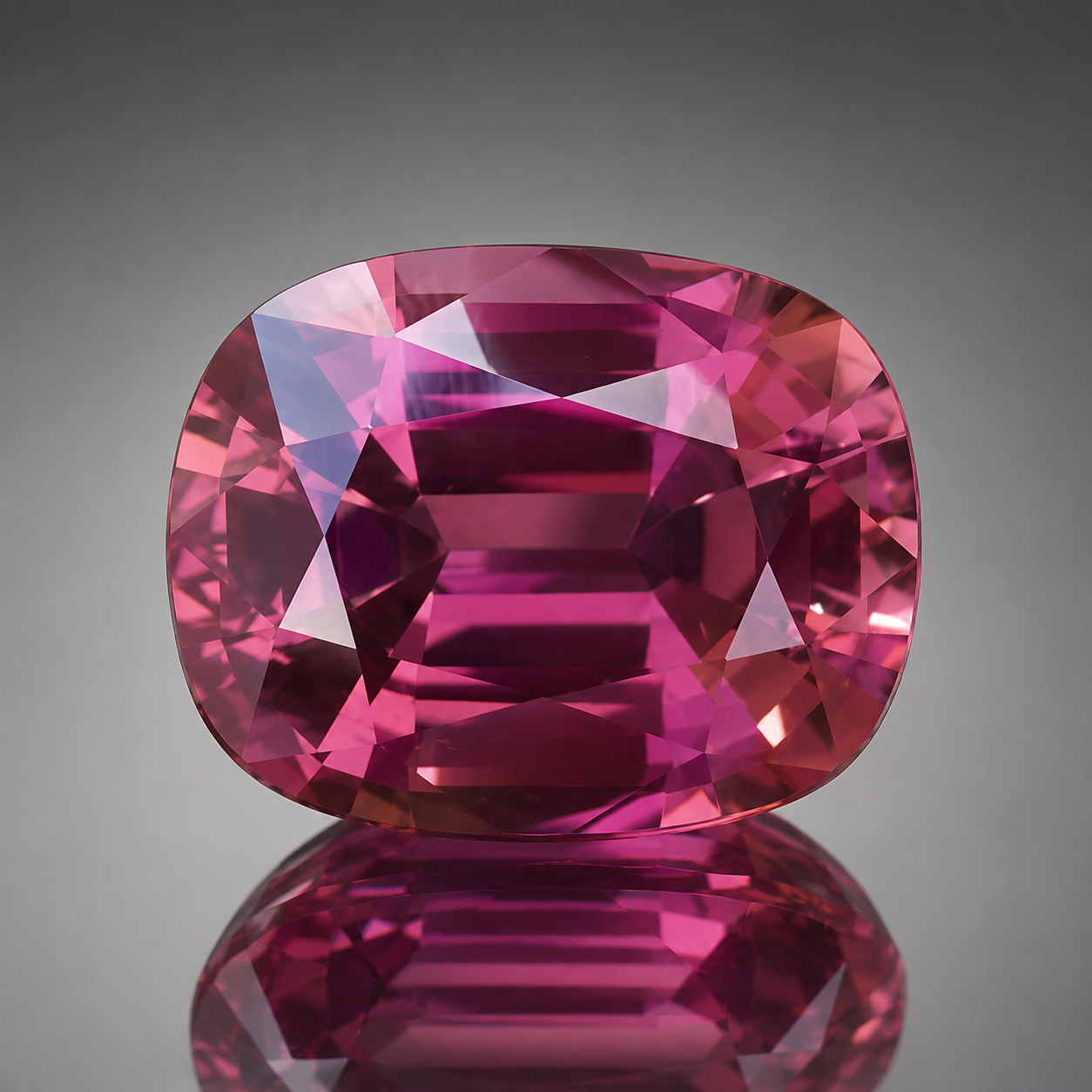
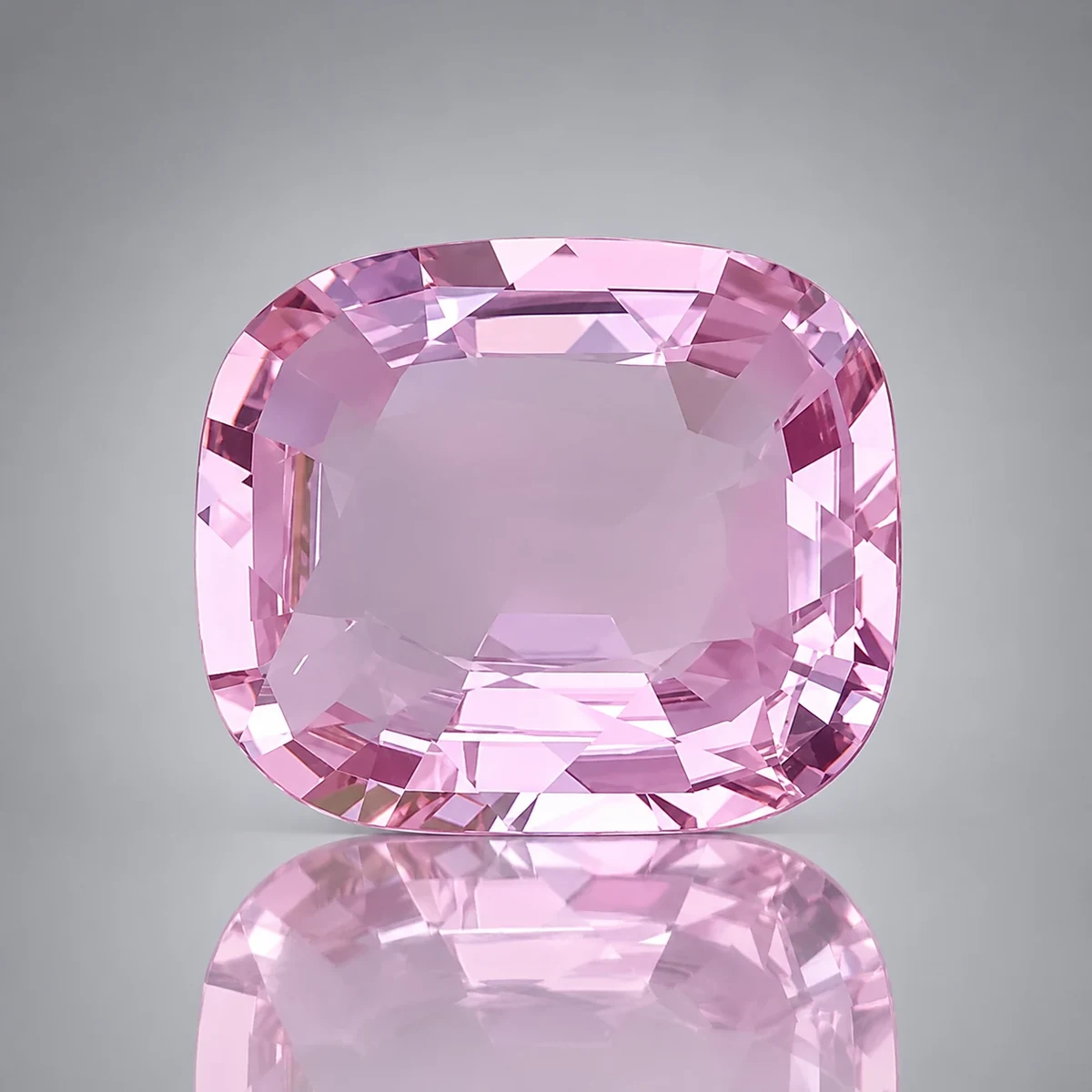
Our stock includes a 23.35 ct fuchsia pink and a 12.35 ct bubblegum pink tourmaline from Nigeria.
Copper tourmaline
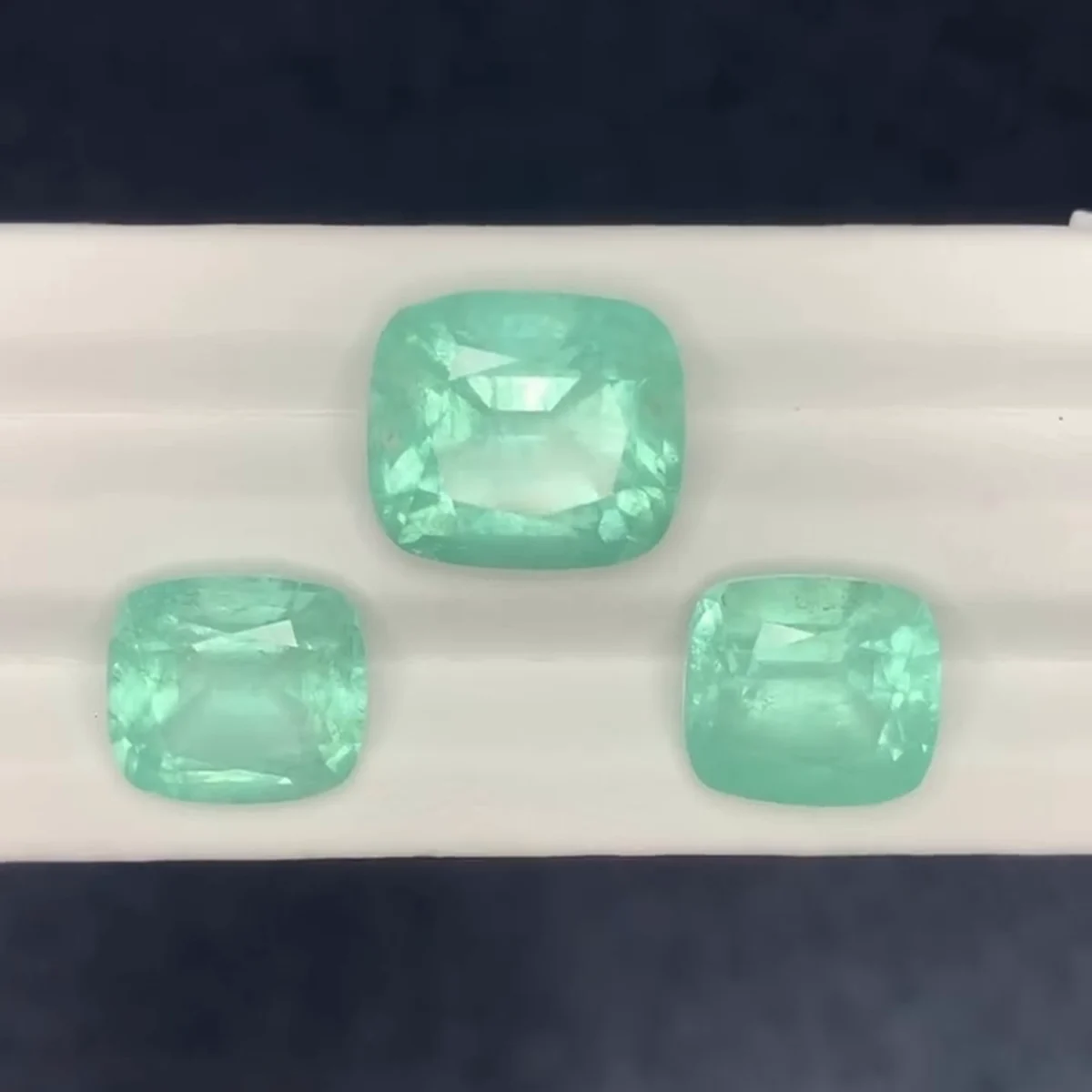
ICA reports that blue green tourmaline from Nigeria reached the market in early 2001. It matched the chemistry of the Brazilian paraiba stones, mostly needed heating and ran a little lighter. Vertriest reports that cuprian tourmaline turned up in western Nigeria about 20 years before his 2020 article and that a new pocket was reported in early 2020.
ICA also reports that gemmologists have difficulty telling Nigerian and Brazilian paraiba apart. That is why we point readers to laboratory reports in our paraiba guide.
Mandarin garnet
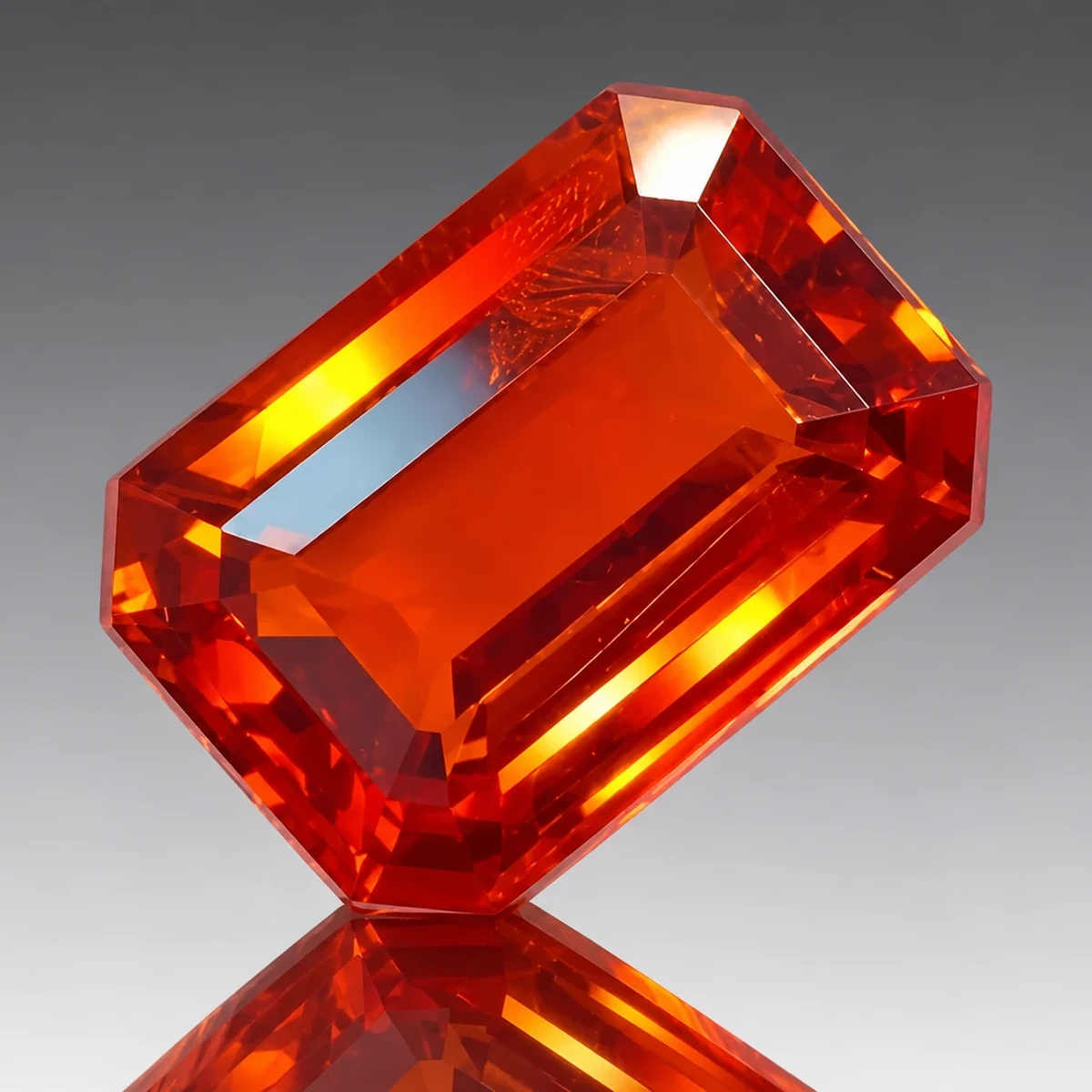
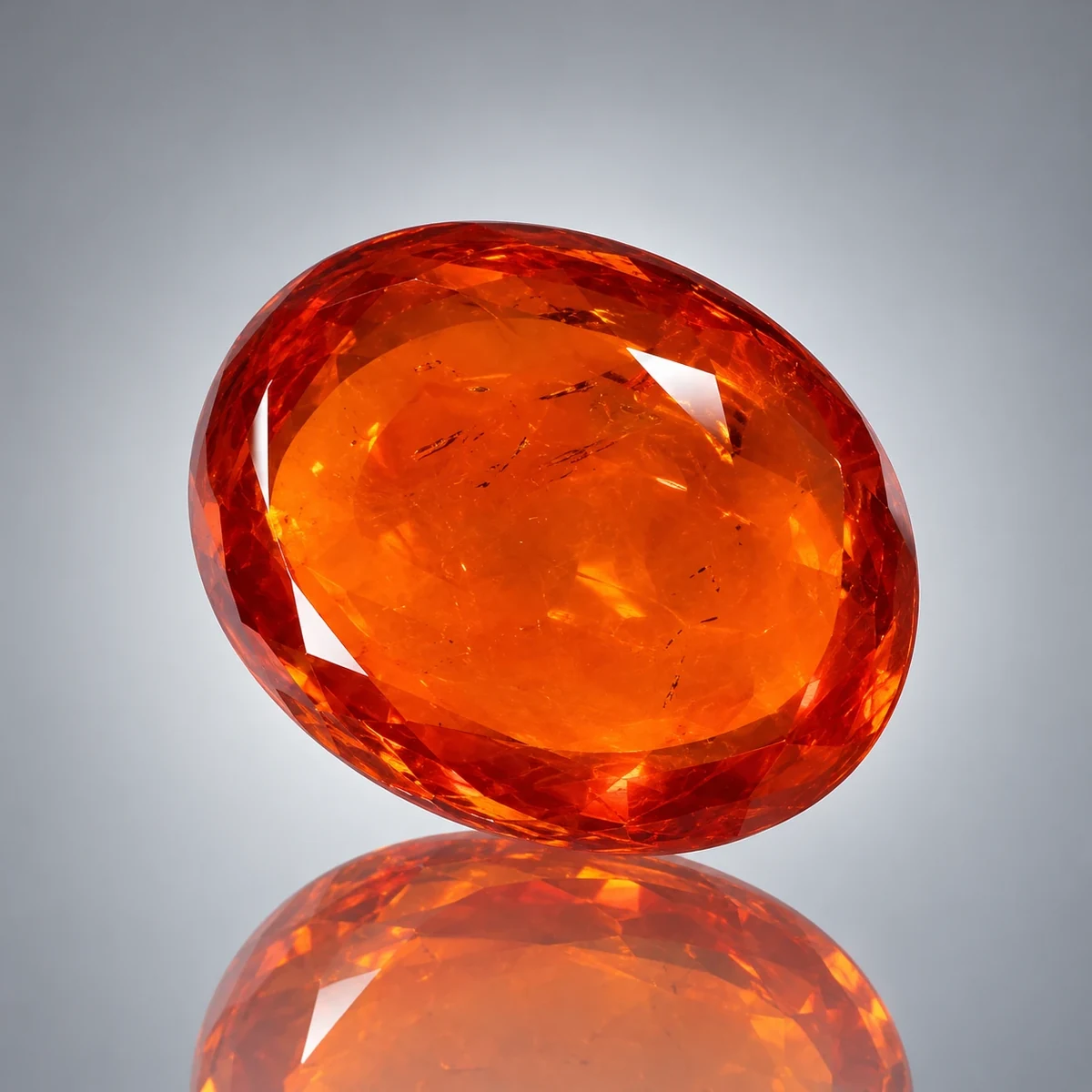
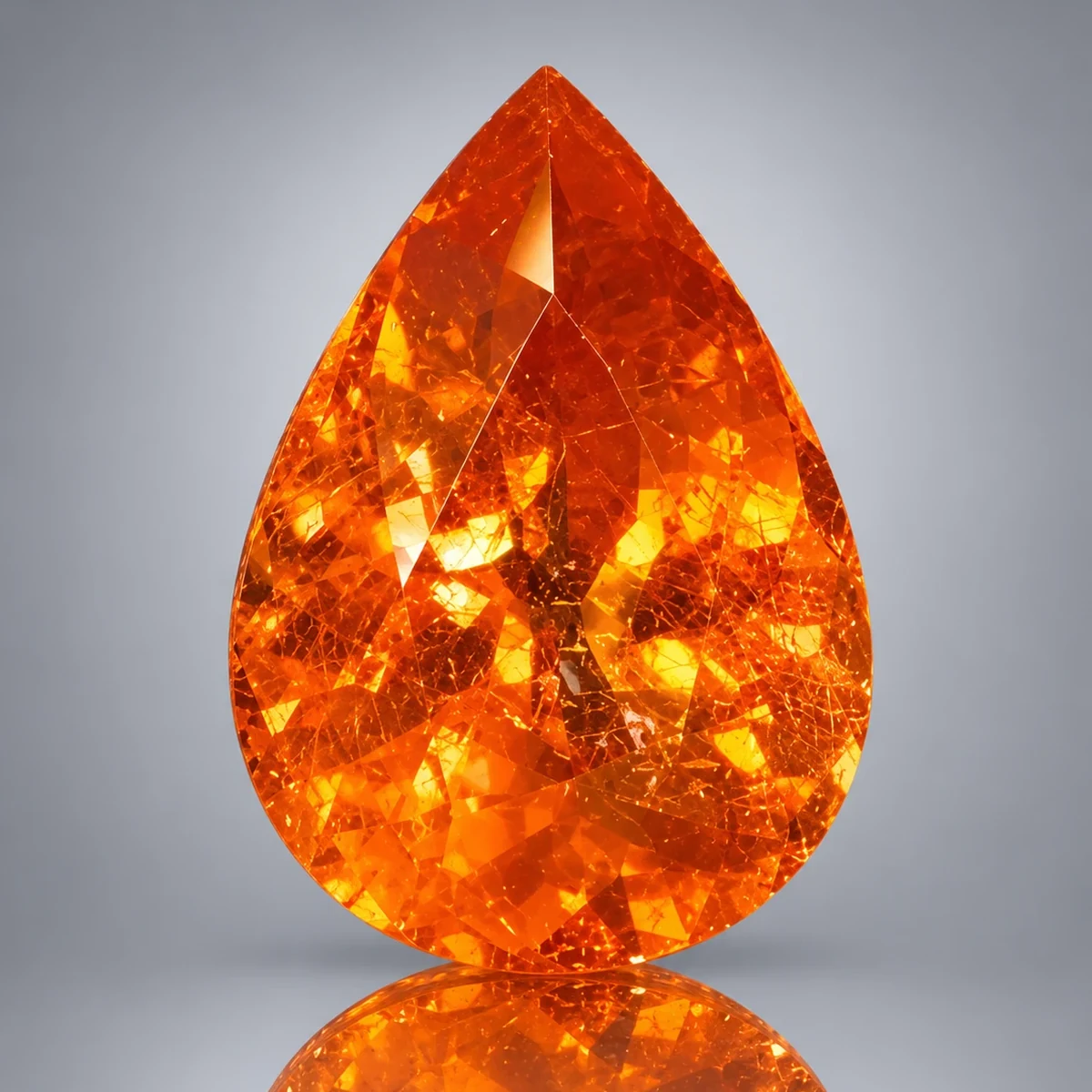
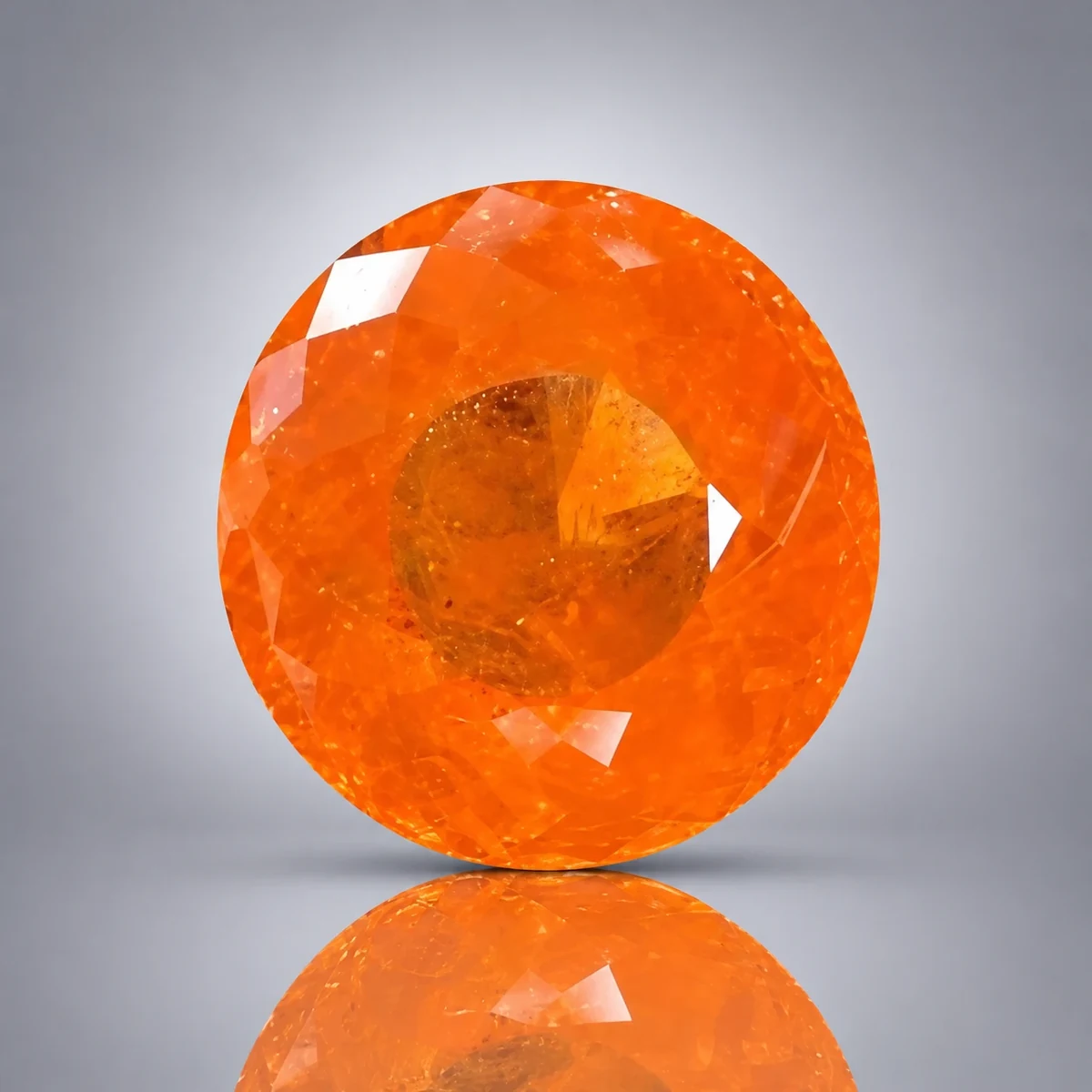
Nigeria turned spessartite into a mainstream stone. ICA says orange spessartine from a river bed mine in southwest Nigeria, near Benin, reached the trade around April 1994. IGS gives 1998 as the start of gem quality production and says Nigerian stones are about 95 percent spessartite. The two sources disagree on the date and agree on the result.
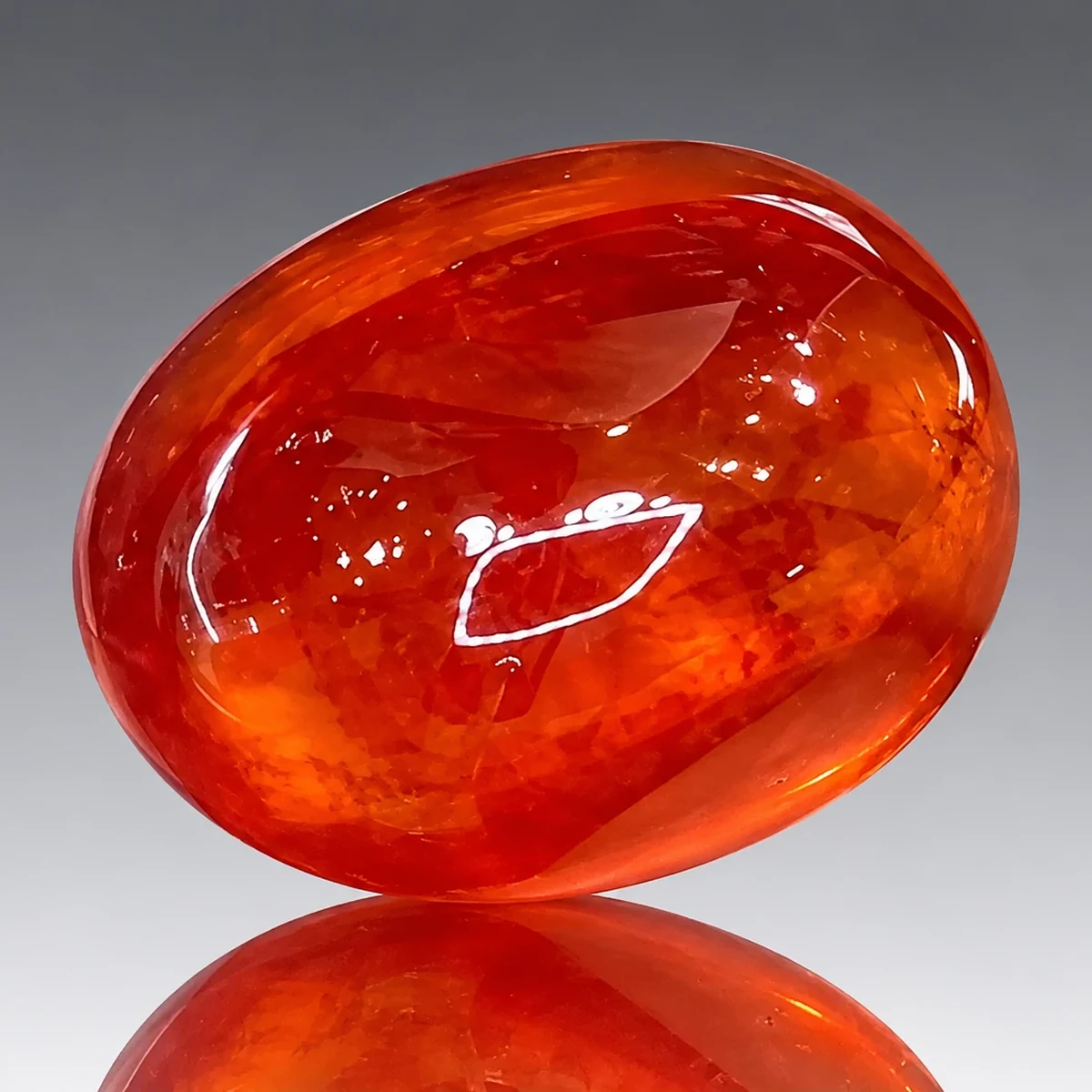
Most of our spessartite comes from Nigeria. Stones run from about 4 carats to a 44 carat cabochon.
Emerald and beryl
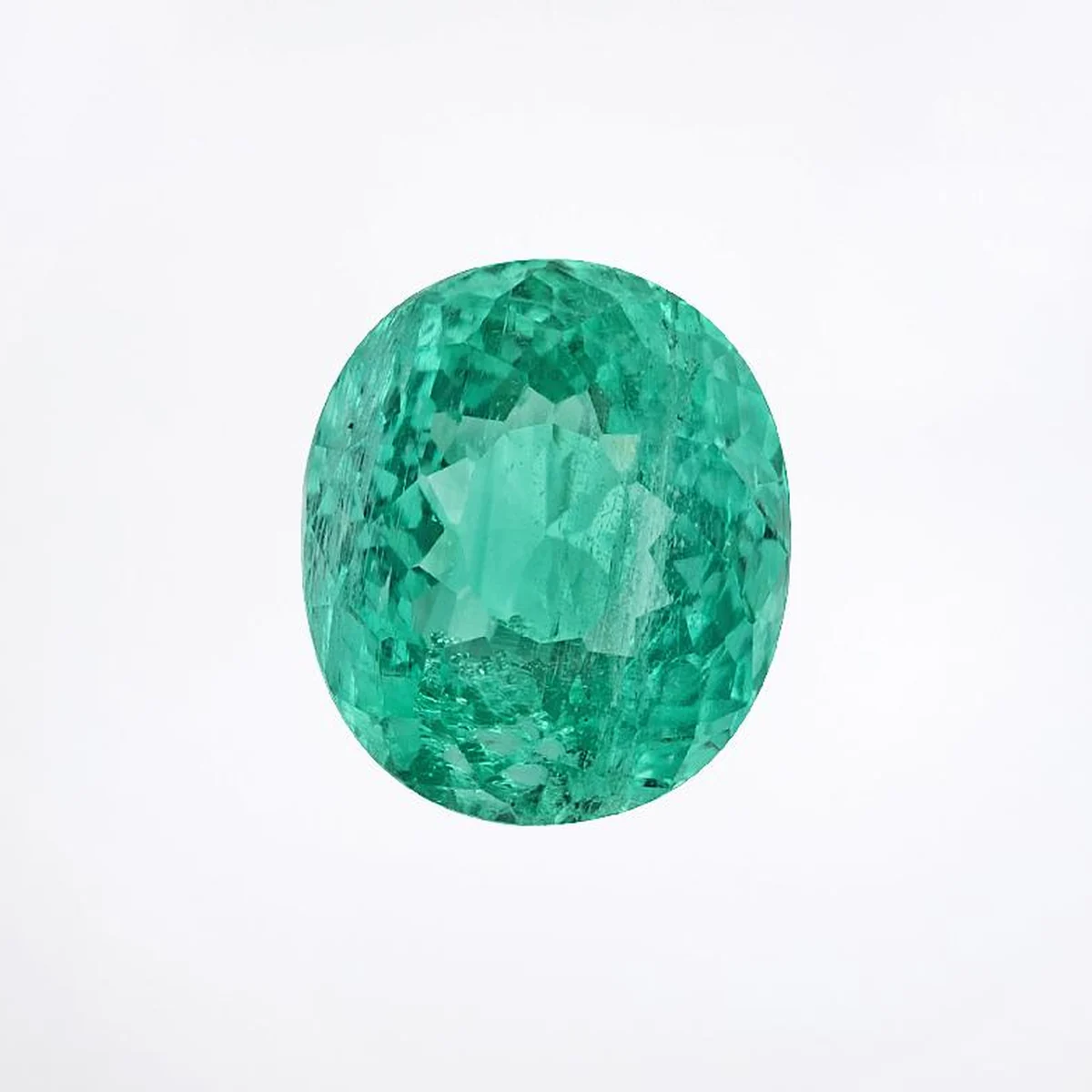
Vertriest reports that emerald deposits are widespread in Nigeria, yet facet grade material comes only from Nasarawa State. Fine aquamarine, morganite, heliodor and green beryl come from various regions. IGS lists Nigeria (Jos) as an aquamarine source and Nigeria among the African emerald sources.
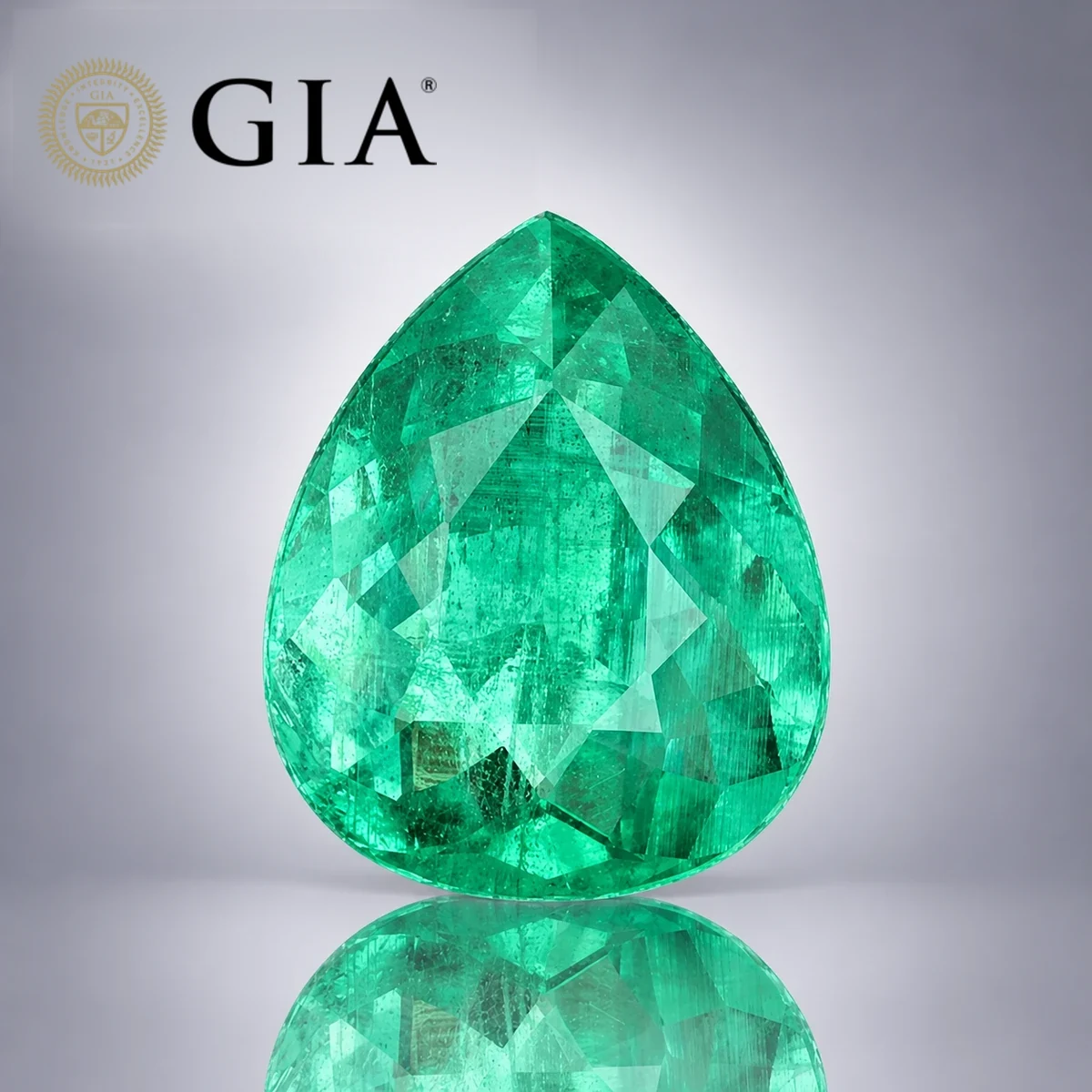
Our Nigerian emerald is a 3.53 ct pear with a GIA report that records no clarity enhancement. Our guide to Nigerian emerald covers colour and the emerald versus green beryl question.
Sapphire
Vertriest lists sapphire in eastern and central Nigeria, including Antang, Bauchi, Kaduna and Gombe, where mining is artisanal only. The Mambilla Plateau has a few larger operations plus widespread small scale mining. Stones are typically dark blue, with lighter material from the southeast. Parti coloured, yellow, purplish and green sapphires are common.
The 2017 report says a company was exploring and mining about 1000 square kilometres of the Mambilla Plateau in Taraba State. It describes good quality material of 3 to 5 grams already coming out and a washing plant planned for 50 tons of ore per hour.
A timeline of Nigerian finds
- Around April 1994
- ICA dates the first orange spessartine from southwest Nigeria to this period.
- 1998
- IGS dates the start of gem quality spessartite production.
- Early 2001
- ICA reports blue green copper tourmaline reaching the market.
- 2017
- GIA reports Oyo State rubellite pits, Kwara indicolite and Mambilla Plateau sapphire work.
- 2020
- GIA reports a newer rubellite find near Calabar and a new pocket of copper tourmaline.
From the mine to Bangkok
The 2017 report says Nigerian rubellite crystals went to Bangkok for sale and that the first indicolite production went there too. It describes grading in three to four quality categories and a grading training programme planned for the mine site.
Bangkok is also where we trade. Stones that reach us have passed through several hands, which is another reason we ask for a laboratory report on the stones where origin and treatment move the price.
What to check when you buy
Nigerian stones reach the market through hand mining and several trading steps. Ask for the origin and the treatment on the listing. For paraiba, emerald and sapphire ask for a laboratory report. For rubellite, see our treatment guide, because irradiation is common and undetectable.
Origin carries less weight for spessartite and most tourmaline than colour and clarity. Judge the stone in daylight and let the price follow the stone, not the country.
Looking for a stone like this?
We keep stock in Bangkok and answer questions about grading, treatment and price without pressure.

Join the conversation
Ask a question or share what you have seen. We read every comment and reply to the good questions.
Loading comments