
Paraiba is a variety, not a passport
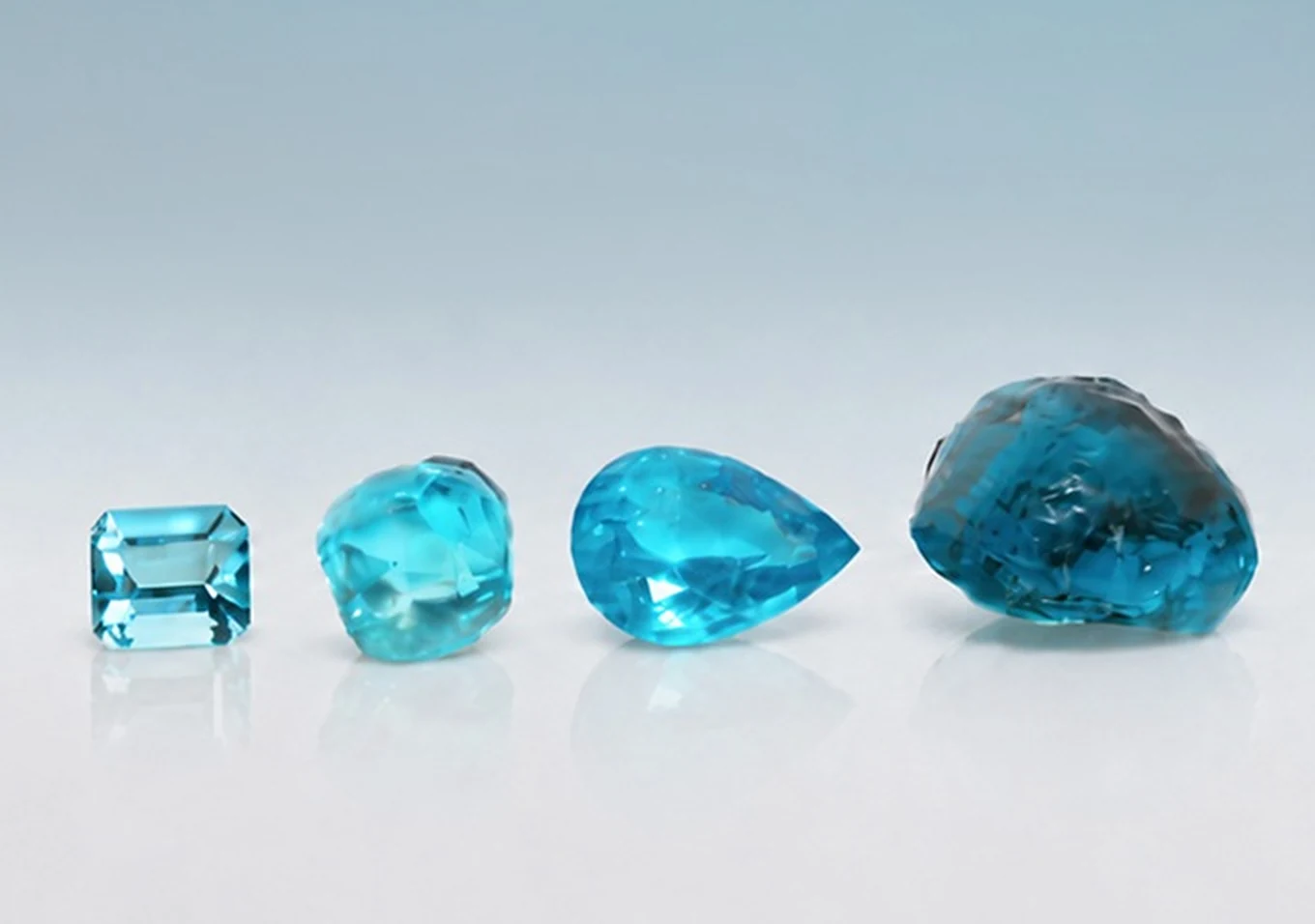
Copper turns tourmaline an electric blue and green that no other element reproduces. The first stones came out of Paraíba state in Brazil in the late 1980s, and the name attached itself to the colour rather than the place.
The Laboratory Manual Harmonisation Committee settled the wording in 2006. A report reads paraiba, lowercase and without the accent, when the stone is a blue, bluish green, greenish blue, green or yellowish green tourmaline coloured mainly by copper and manganese, at medium-light to high saturation, from any geographic origin. Paraíba with the accent refers to the Brazilian state.
So a laboratory calling an Ethiopian stone paraiba tourmaline makes no origin claim at all. It names the variety. Those are two separate lines on a report and they carry two very different prices.
What GIA and Gübelin actually found
On 27 August 2026 the two laboratories published a joint confirmation that Ethiopian material meets the paraiba definition.
Gübelin worked through roughly 300 rough and faceted stones from several independent sources, including samples a senior gemmologist collected in Ethiopia. GIA began examining parcels in early June and received more than 100 rough and faceted samples in July.
Both found the same chemical signature: vanadium above 60 ppm, lead between 170 and 6000 ppm, and gallium between 280 and 900 ppm. That combination separates Ethiopian stones from Brazilian, Mozambican and Nigerian material. Colours run from blue to bluish green, with violet, purple and colourless pieces turning up in the rough.
Why origin still moves the price
Brazilian paraiba carries a premium that has little to do with chemistry. It comes from scarcity and thirty years of auction results. Mozambican material trades well below it for the same colour, and larger clean stones come from Mozambique far more often.
Ethiopian stones are new, so the trade has no long price record for them. That cuts both ways. Early parcels sold at Brazilian expectations to buyers who did not ask the right question. Sellers who price honestly against Mozambique are the ones worth dealing with.
Ask for the origin line, not just the variety line. When a report states that origin is undetermined, the stone is worth what its colour, size and cut are worth. Nothing more.
Reading the report properly
A paraiba report answers three separate questions, and buyers routinely collapse them into one.
- Species and variety
- Is it elbaite tourmaline, and does the copper content meet the paraiba definition.
- Treatment
- Most paraiba on the market is heated. Heat is standard and accepted for this material, and it belongs on the report either way.
- Origin
- This is an opinion built from chemistry and inclusions, not a fact recorded at the mine. Laboratories state it when the data supports it and decline when it does not. An inconclusive origin is an honest result, not a defect.
Buying one in practice
Judge the colour in daylight and under a cool lamp before you judge anything else. Copper blue shifts less than people expect, but saturation drops fast in weak light and photographs hide that.
Look at the stone face-up for a window. Vivid rough gets cut for weight, and a shallow paraiba loses the exact colour that made it expensive.
Then ask four questions. Who issued the report. Does it state an origin or decline one. Is the stone heated. What are the return terms after independent testing. A seller who answers all four without hesitating expects the stone to hold up.
Looking for a stone like this?
We keep stock in Bangkok and answer questions about grading, treatment and price without pressure.

Join the conversation
Ask a question or share what you have seen. We read every comment and reply to the good questions.
Loading comments