
Heating
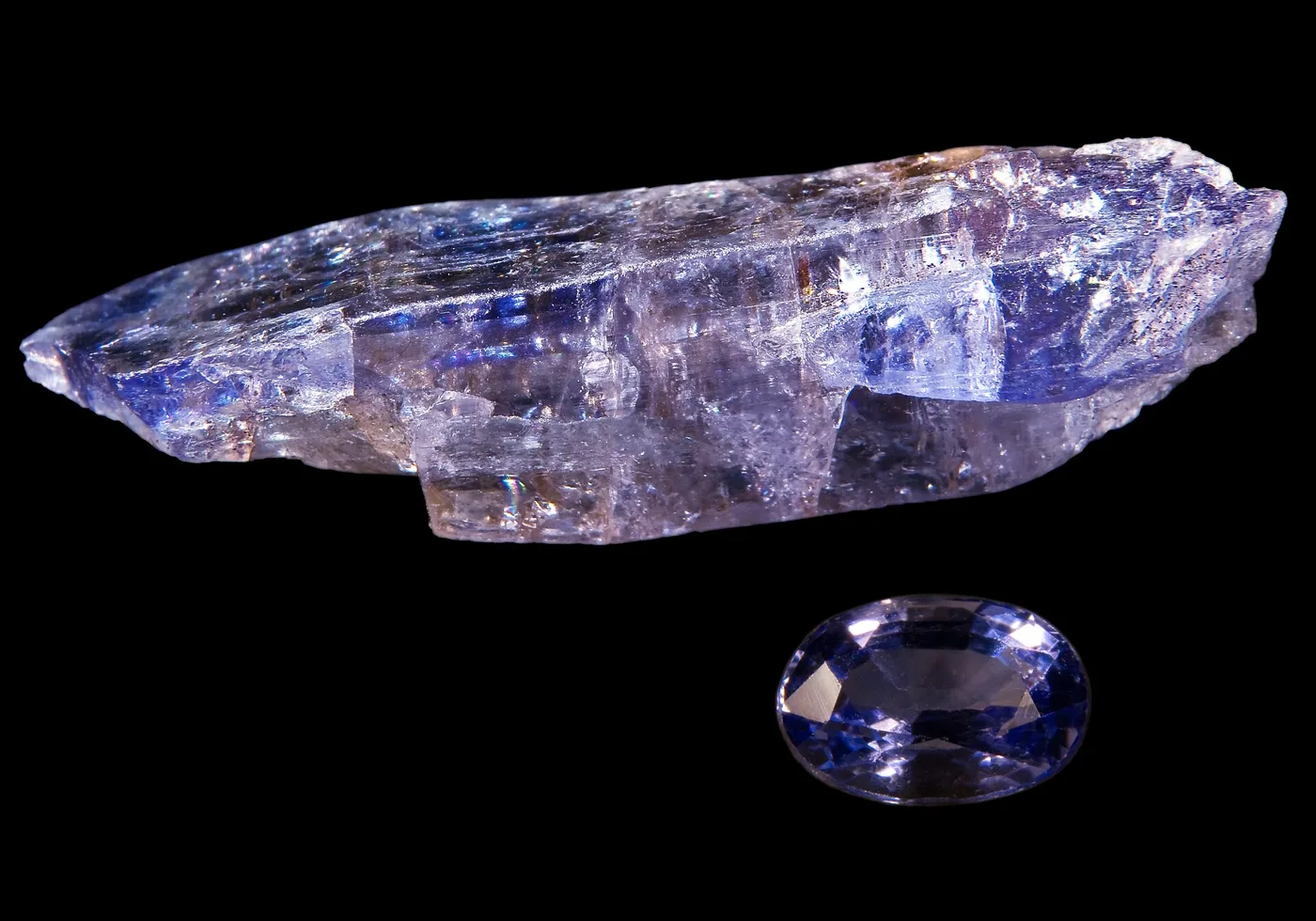
Heat is a very common treatment, and the stones below show the range.
IGS gives the clearest examples. Nearly all tanzanite is naturally reddish brown and is heated to roughly 500 to 600 degrees Celsius to turn it blue or violet. IGS calls that stable. Heating aquamarine to about 375 degrees removes the green tint and leaves blue, and IGS calls it very common and undetectable. Nearly all blue and colourless zircon is heated, and that treatment is undetectable too.
Heat also works on topaz and tourmaline. IGS says heating turns some yellow, orange and brown topaz pink or red. ICA says cutters heat paraiba tourmaline to burn out the red tones that manganese adds. IGS reports heating of ruby as common and generally accepted when disclosed.
Some stones do not respond. IGS says heating does not reliably improve spinel and can worsen it. It calls apatite very heat sensitive, although careful heating can improve blue colour. It calls sphene heat sensitive too, noting that heat can turn it orange or red.
Irradiation
Irradiation uses radiation to create colour centres. IGS explains that blue topaz comes from irradiating colourless or pale stones and then heating them. The result is stable and hard to tell from natural blue. GIA states that blue topaz is rarely natural.
IGS says irradiation is common in rubellite and undetectable, and advises buyers to assume it is treated. A 2016 study in the Walailak Journal of Science and Technology heated two pink Afghan tourmalines to 600 degrees Celsius and both lost their colour. An electron beam at 800 kGy restored the pink in the stone with higher manganese. The lower manganese stone turned yellow.
Filling and oiling
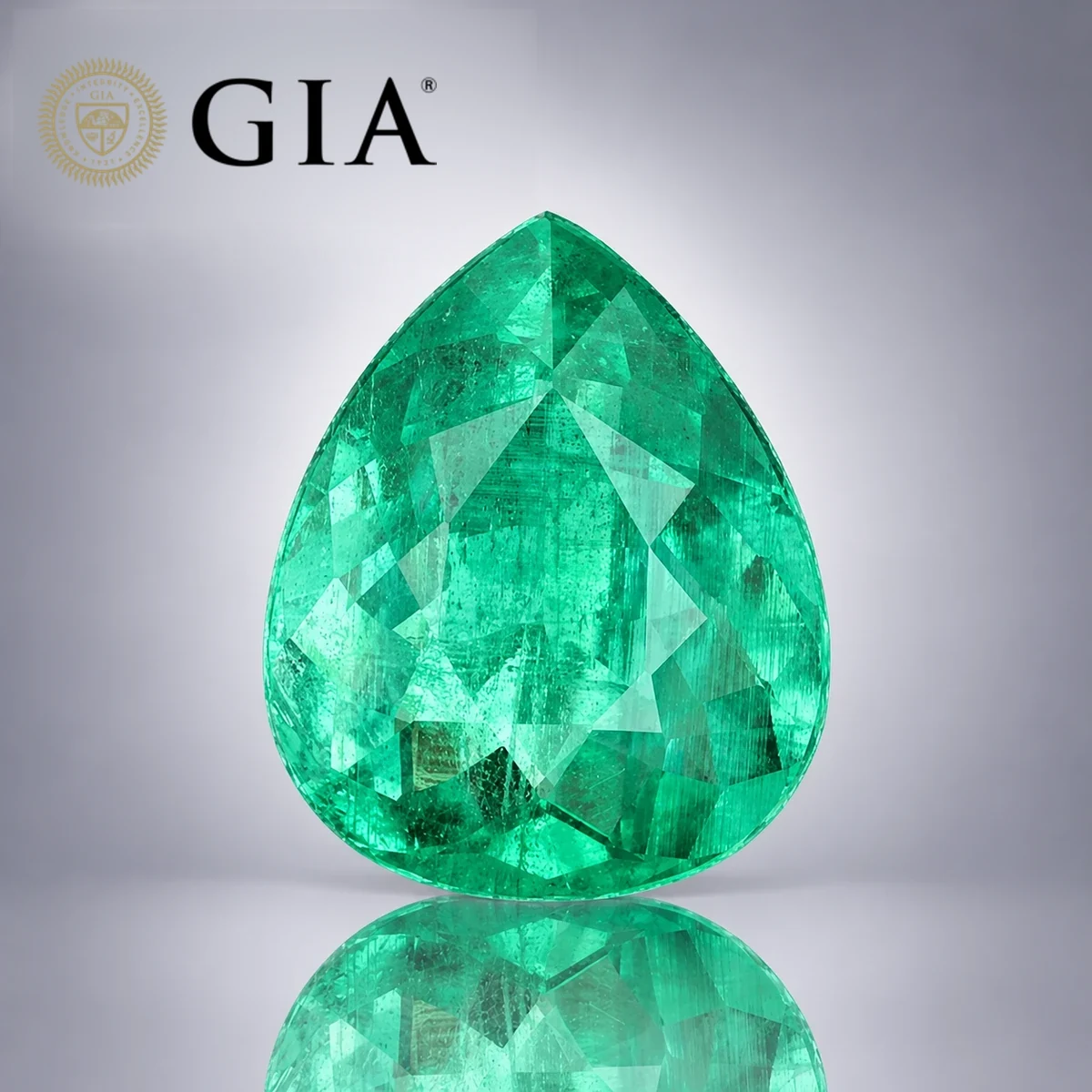
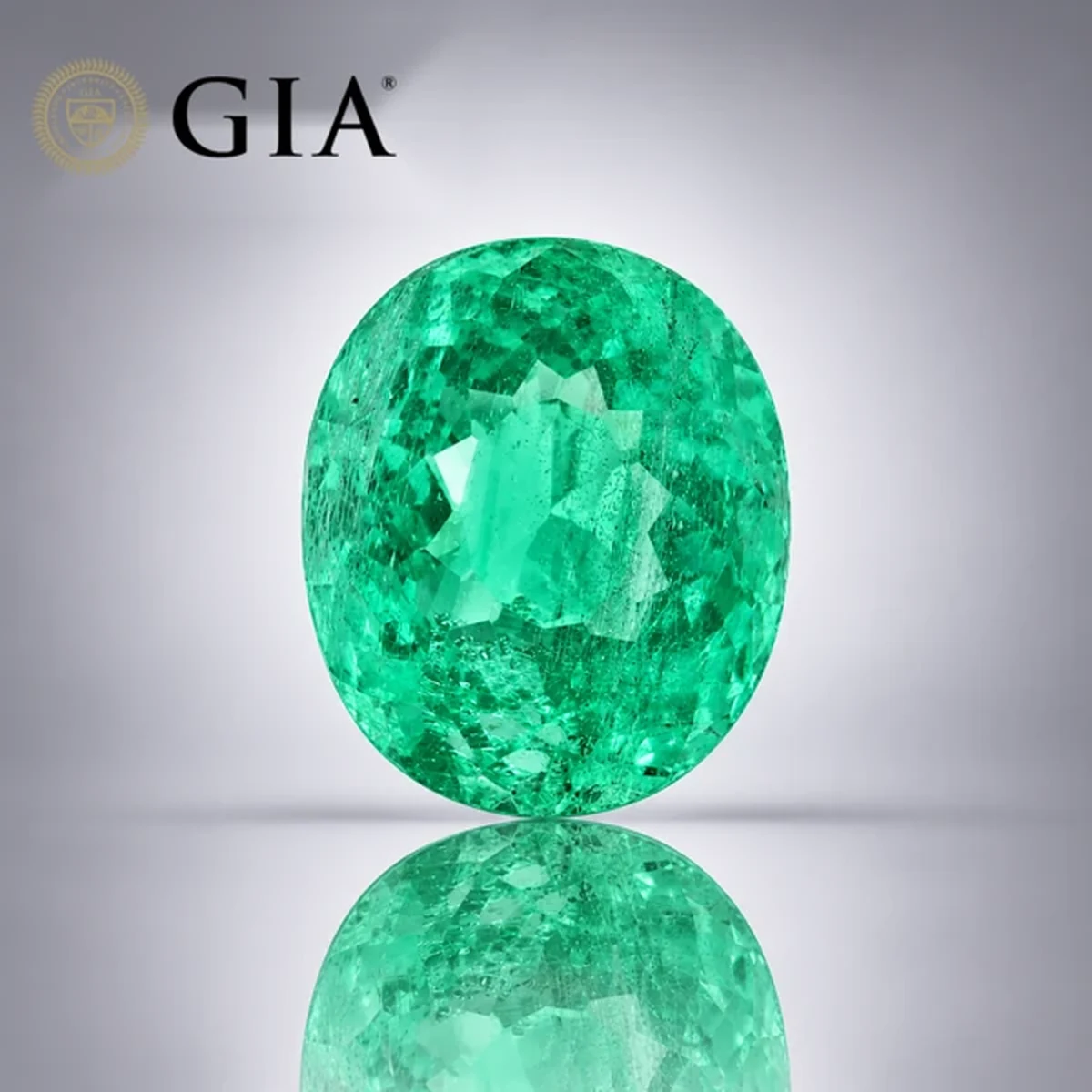
Fillers hide fractures. IGS says oiling is standard for emerald and over 90 percent of emeralds in commerce are treated. Non standard fillers include green oils and epoxy like resins, which need special care in cleaning and setting.
IGS reports fracture filling in highly included rubellite and plastic or epoxy filling in tourmaline. For ruby, fracture filling with lead glass or polymer occurs occasionally and lowers value. For spinel, filling is rare and not permanent.
Coating and dye
IGS says mystic topaz is coated by chemical vapour deposition, scratches easily and can be detected by immersion. It adds that some tanzanite stones receive surface coatings. For tourmaline, IGS calls dyes and coatings usually unstable and not recommended.
Diffusion
Diffusion introduces colouring elements into a stone. IGS calls lattice diffusion of ruby a newer treatment that is less accepted, and it notes that diffusion treatments creating artificial body colours have been reported in spinel.
Quick reference
- Tanzanite
- Heated. Stable. Standard.
- Aquamarine
- Heated to remove green. Undetectable.
- Blue topaz
- Irradiated and heated. Stable.
- Zircon, blue and colourless
- Heated. Undetectable.
- Emerald
- Oiled or filled. Over 90 percent treated.
- Rubellite
- Irradiation common and undetectable. Filling in included stones.
- Ruby
- Heated is the norm. Filling and diffusion are less accepted.
- Spinel
- Seldom treated.
- Spessartite and mandarin garnet
- Not normally treated, according to IGS.
Treatment and value
A treatment affects price in a different way for each stone. IGS says untreated certified emeralds can sell for up to 50 percent more than treated stones of the same size, colour and clarity. It says filled rubies lose value. It says the market treats heat in ruby as normal and tells buyers to assume heat unless a seller states otherwise.
For stones where treatment is routine, such as tanzanite, the value question shifts. Quality of colour and size decide price, because almost every stone carries the same treatment.
Care for treated stones
Treatment can change how a stone must be cared for. IGS says ultrasonic, steam and boiling cleaners can shatter emerald or remove its oil. It says the coating on mystic topaz scratches easily. It says the colour of heated blue zircon is less stable to light than heated green or yellow. Heated tanzanite is stable, yet IGS still recommends gentle handling because of its cleavage.
Ask the seller what care the treatment calls for. The FTC guides recommend that sellers pass care requirements to the buyer.
Questions to ask about treatment
- Is the stone treated?
- The answer should be a plain yes or no, with a method.
- What method?
- Heat, irradiation, filling, coating or diffusion each have different stability.
- Is the treatment permanent?
- The FTC guides single this out as a disclosure point.
- Does the report list it?
- A laboratory lists detectable treatments only.
- What care does it need?
- Cleaning and setting rules follow from the treatment.
What a laboratory can and cannot say
GIA reports list detectable treatments. IGS notes that heating is undetectable in aquamarine and blue zircon and that irradiation is undetectable in rubellite. A report cannot record what testing cannot find.
That is why a clear statement from the seller matters on top of the report.
What the law requires
Section 23.24 of the FTC Jewelry Guides calls it unfair or deceptive not to disclose a treatment that is not permanent, that creates special care requirements or that significantly affects value. For online sales the disclosure belongs in the product description.
Heated tanzanite is stable, yet it affects value because the treatment creates the colour. A good seller states it. Our article on the FTC rules sets out the details.
Looking for a stone like this?
We keep stock in Bangkok and answer questions about grading, treatment and price without pressure.

Join the conversation
Ask a question or share what you have seen. We read every comment and reply to the good questions.
Loading comments