The first decision is what to throw away
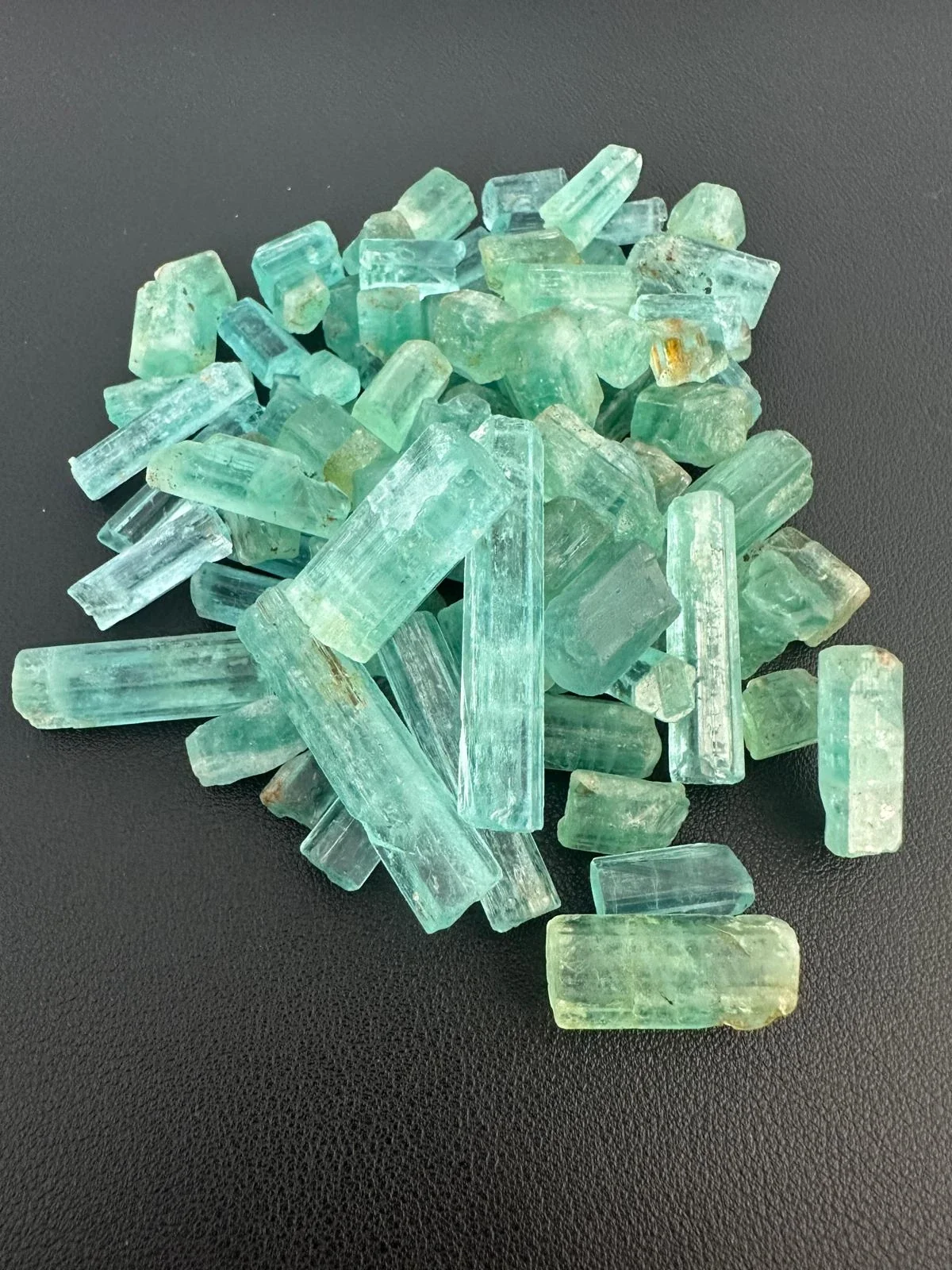
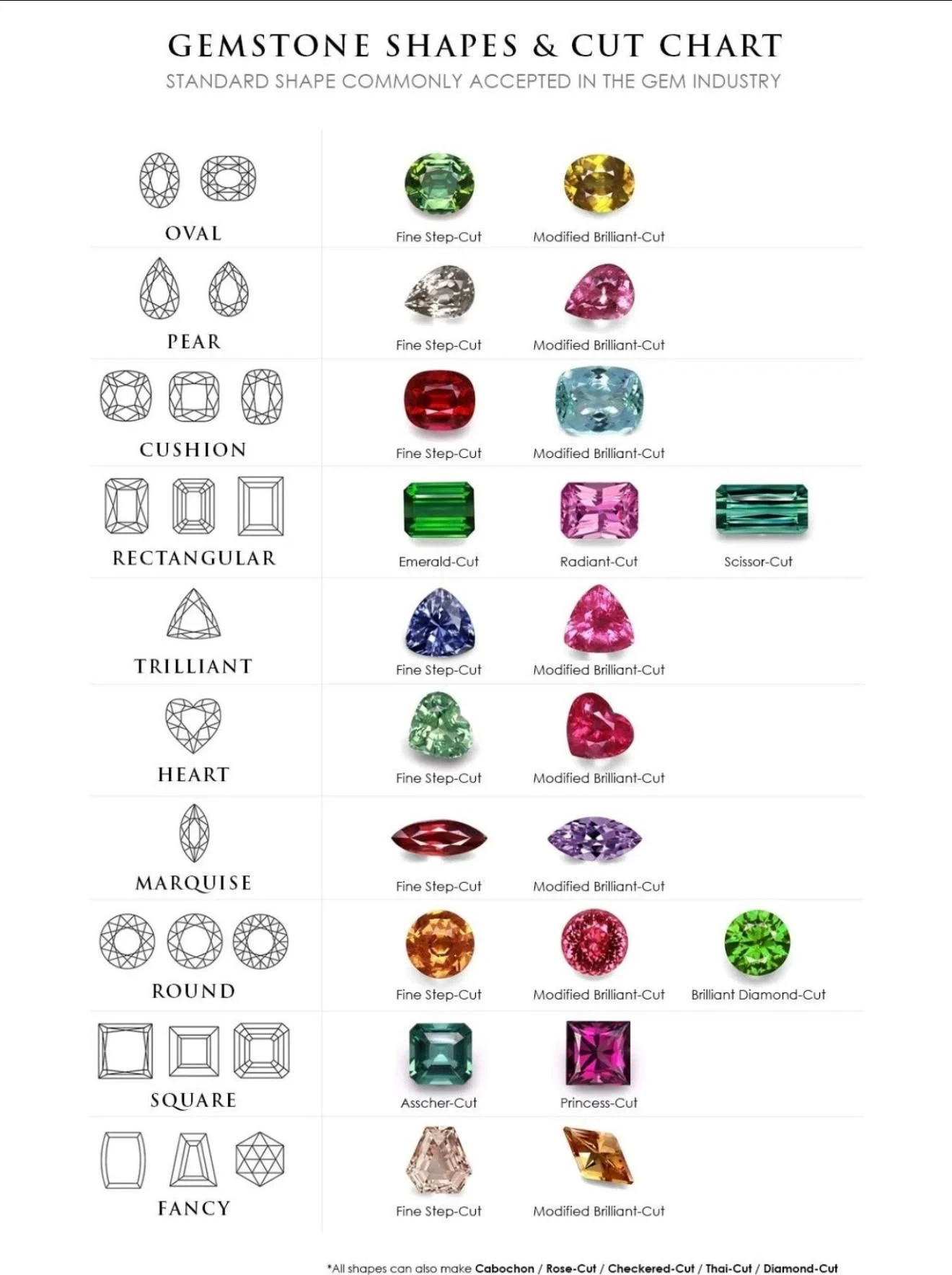
A cutter looks at a rough crystal and decides where the table will sit. That single choice sets the final weight, the face-up colour and the shape, and there is no going back from it.
Between half and four fifths of the rough weight disappears in the process. A cutter chasing maximum carats will keep material that ruins the stone. A cutter chasing the best gem will throw away weight that a buyer is paying for by the gram.
In pleochroic species the orientation decides the colour outright. Tourmaline and sapphire show different colours down different crystal axes, so the cutter is choosing which of those colours the buyer sees for the life of the stone.
Colour is placed, not found
Depth controls saturation. Light travels further through a deep stone, so it picks up more colour on the way out.
That gives the cutter a lever. Over-dark rough gets cut shallow to let it breathe. Pale rough gets cut with a deeper pavilion to build colour. The same crystal produces a washed-out gem or a saturated one depending on how the cutter reads it.
This is why two stones of identical weight and identical rough can sell at very different prices.
Windows and extinction
Every gem material has a critical angle. Cut the pavilion facets outside it and light passes straight through the bottom of the stone instead of reflecting back to the eye. The result is a window, a dead pale patch in the centre where you can read print through the gem.
Windows exist for one reason. The cutter kept weight. A correctly proportioned stone would have come in lighter and cost the cutter money.
The opposite fault is extinction, the dark zones that appear when facets reflect the viewer instead of the light. A little is normal in deeper colours. A stone that is half dark is badly proportioned.
At the bench
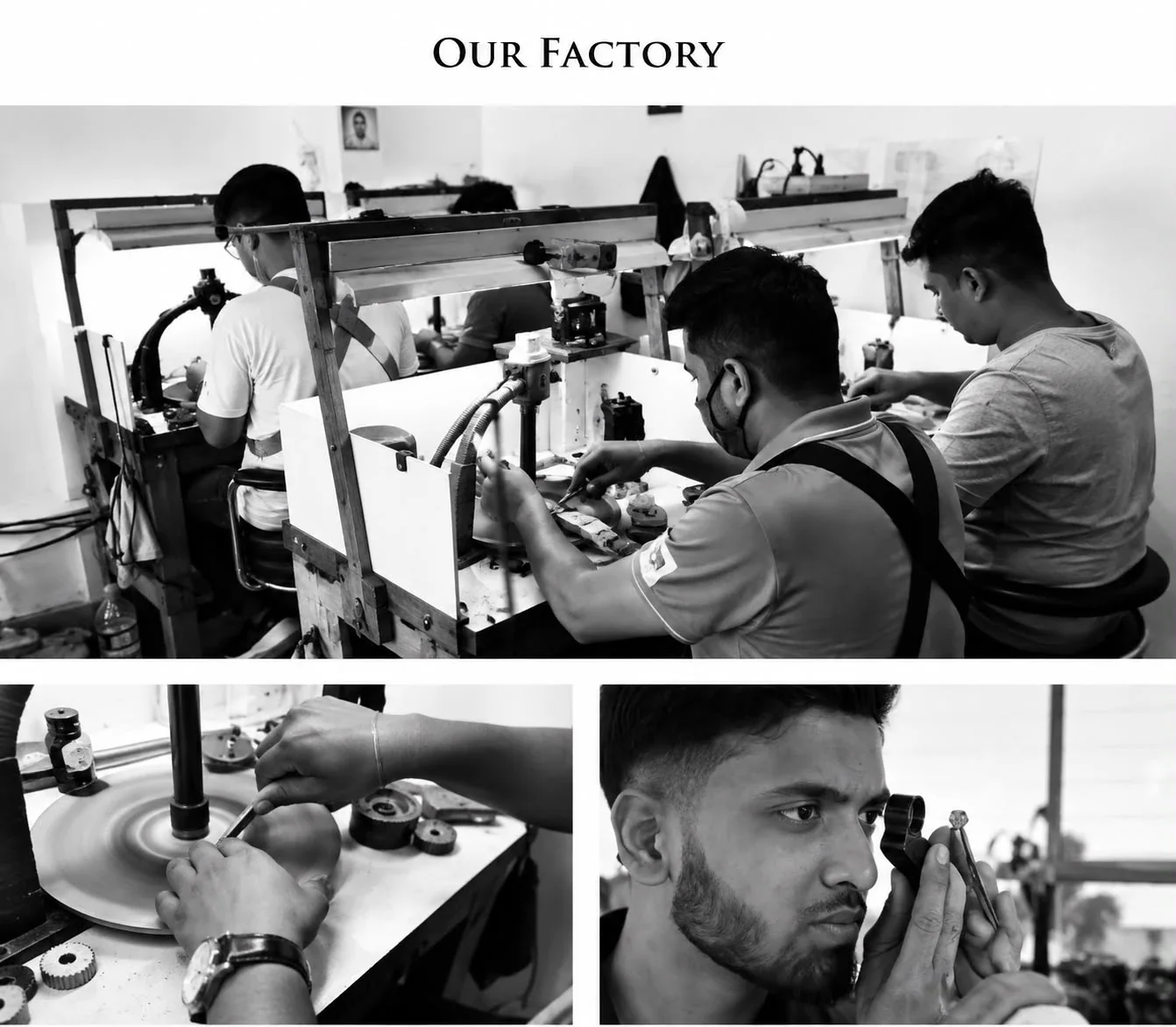
The rough is first shaped into a preform on a coarse wheel, which establishes the outline without any facets.
The preform is then cemented to a dop stick and mounted in a faceting head, which holds the angle and the index position for each facet. The cutter works through laps of decreasing grit, cutting the pavilion, setting the girdle, then cutting the crown.
Polishing happens last, on a separate lap with fine oxide. A good polish is what separates a stone that glitters from one that looks slightly soft, and it is the stage most often rushed.
How to check a cut in ten seconds
Hold the stone face-up under a single light and look straight down at it. A well cut gem returns light across the whole face with no pale hole in the middle.
Tilt it slowly. The pattern should stay lively rather than collapsing into darkness. Then look at the outline for symmetry, check that facet junctions meet cleanly at points, and look at the girdle. A knife-thin girdle chips and an overly thick one is hidden weight you paid for.
Looking for a stone like this?
We keep stock in Bangkok and answer questions about grading, treatment and price without pressure.

Join the conversation
Ask a question or share what you have seen. We read every comment and reply to the good questions.
Loading comments