
Four words that get mixed up
Wikipedia's entry on synthetic gemstones separates the terms cleanly. A synthetic stone is grown in a laboratory and is physically, optically and chemically identical to its natural counterpart. An imitation or simulant is chemically different and only looks similar. Glass, plastic, resin, cubic zirconia and even natural spinel used to copy another stone all count as simulants.
Some producers call their stones cultured or lab created and say they are not imitations. That is fair as far as chemistry goes, because the main mineral and the colouring elements match nature. It does not make the stone natural.
The difference matters for price. A natural stone formed over a long time in the earth and a factory stone share a formula. They do not share rarity.
How a stone gets grown
Four methods cover most coloured stones. Wikipedia gives the dates and the working details.
- Flame fusion
- Auguste Verneuil developed it in 1902. A flame of about 2000 degrees Celsius melts powder, and a crystal builds up over hours. It is the cheapest way to make ruby and sapphire.
- Czochralski pulling
- Jan Czochralski developed it in 1918. A seed crystal dips into molten material and rises slowly as the crystal grows. It is the least popular method for corundum.
- Flux growth
- The material dissolves in a molten flux inside a crucible and crystallises again. A run takes from about two months to a year. It was the first process able to make synthetic emerald.
- Hydrothermal growth
- The ingredients sit in sealed, pressurised water above its normal boiling point. A run takes a few weeks, and larger stones start from a seed crystal.
The first synthetic ruby crystals date to 1837, when the French chemist Marc Gaudin melted potassium aluminium sulphate with potassium chromate. Another French chemist, Fremy, later grew larger batches of small rubies in a lead flux.
Spinel has its own history. Wikipedia says it was first made by accident, that producers grow it by flux and hydrothermal methods and that it can come in any colour. Emerald is grown by both flux and hydrothermal methods.
What a gemmologist sees inside
Growth leaves a signature. Each method traps different things, and a microscope shows them.
Flame fusion stones carry small trapped gas bubbles, visible banding from the way the boule formed and crack like chatter marks from polishing. Flux grown stones hold small cavities filled with flux solution and bits of the crucible. Hydrothermal stones can contain material from the growth container.
Wikipedia adds an honest warning. The differences are slight and often need a microscope. A buyer with a loupe and good intentions will not settle a close call. That is the job of a laboratory.
A real case from GIA
Tyler Smith and Hollie McBride described a tricky example in the Winter 2017 issue of Gems & Gemology. Two loose oval red stones reached GIA's New York laboratory. Their refractive indices ran slightly higher than normal for corundum. To the eye they looked like chromium diffused corundum, with red colour concentrated at the facet junctions.
A microscope settled it. Each stone was a nearly colourless natural sapphire seed wearing a layer of lab grown ruby about 0.3 millimetres thick. Flux particles sat inside the layer. The overgrowth also lacked molybdenum, which the authors took as a sign of growth conditions different from the older Lechleitner process.
The authors drew a wider lesson. Vintage overgrowth stones were resurfacing, and they wrote that once a material is in the trade, it is here to stay. Johann Lechleitner developed his overgrowth emerald process in 1960.
Imitations are a separate problem
A synthetic ruby is still ruby. A glass ceramic stone sold as ruby is not ruby at all. GIA's Summer 2026 study of glass ceramic imitations found material that retails for under one US dollar per carat, resists heat and copies stones from citrine to ruby and spinel. We covered the tests that expose it in a separate article.
Both groups need a laboratory when the stone matters. They need different questions. For a synthetic the question is whether the stone is natural. For an imitation the question is whether it is even the right mineral.
Natural does not mean untreated
Natural and untreated are separate claims. A natural stone can still carry a treatment, and the treatment changes what you are buying.
IGS reports that oiling is standard for emerald, often done under vacuum, and that over 90 percent of emeralds in commerce are treated. It says nearly all tanzanite is heated to about 500 to 600 degrees Celsius and that nearly all blue and colourless zircon is heated. It calls aquamarine heating, at about 375 degrees, very common and undetectable.
None of those stones is synthetic. All of them are natural stones with a routine treatment that a seller should state. Our article on the FTC rules explains when a seller has to say so.
Questions people ask
- Is a lab grown stone fake?
- No. Wikipedia describes a synthetic stone as physically, optically and chemically identical to the natural one. A fake is a simulant such as glass.
- Can a loupe tell the difference?
- Rarely. Wikipedia says the differences are slight and often need a microscope, so a laboratory settles close calls.
- Does every stone have a synthetic version?
- No. Wikipedia notes that synthetic spinel can come in any colour. IGS says no synthetic tanzanite is known and that no synthetic mandarin garnet has been produced.
- What does a laboratory report say?
- GIA reports state whether a stone is natural or synthetic and list detectable treatments.
What the law says about labels
In the United States, section 23.25 of the FTC Jewelry Guides sets the naming rules. A stone name such as ruby or emerald used alone means a mined stone of that type.
A lab grown, synthetic, imitation or simulated stone needs a clear qualifier directly before the name, with equal prominence. The word faux does not meet the standard. The word cultured can describe a lab created stone only alongside a clear statement that it was not mined. The guides also say that terms like synthetic or laboratory grown cannot sit beside a natural stone name unless the product has essentially the same optical, physical and chemical properties as that stone.
This is a summary, not legal advice. Other countries set their own rules.
How to buy with confidence
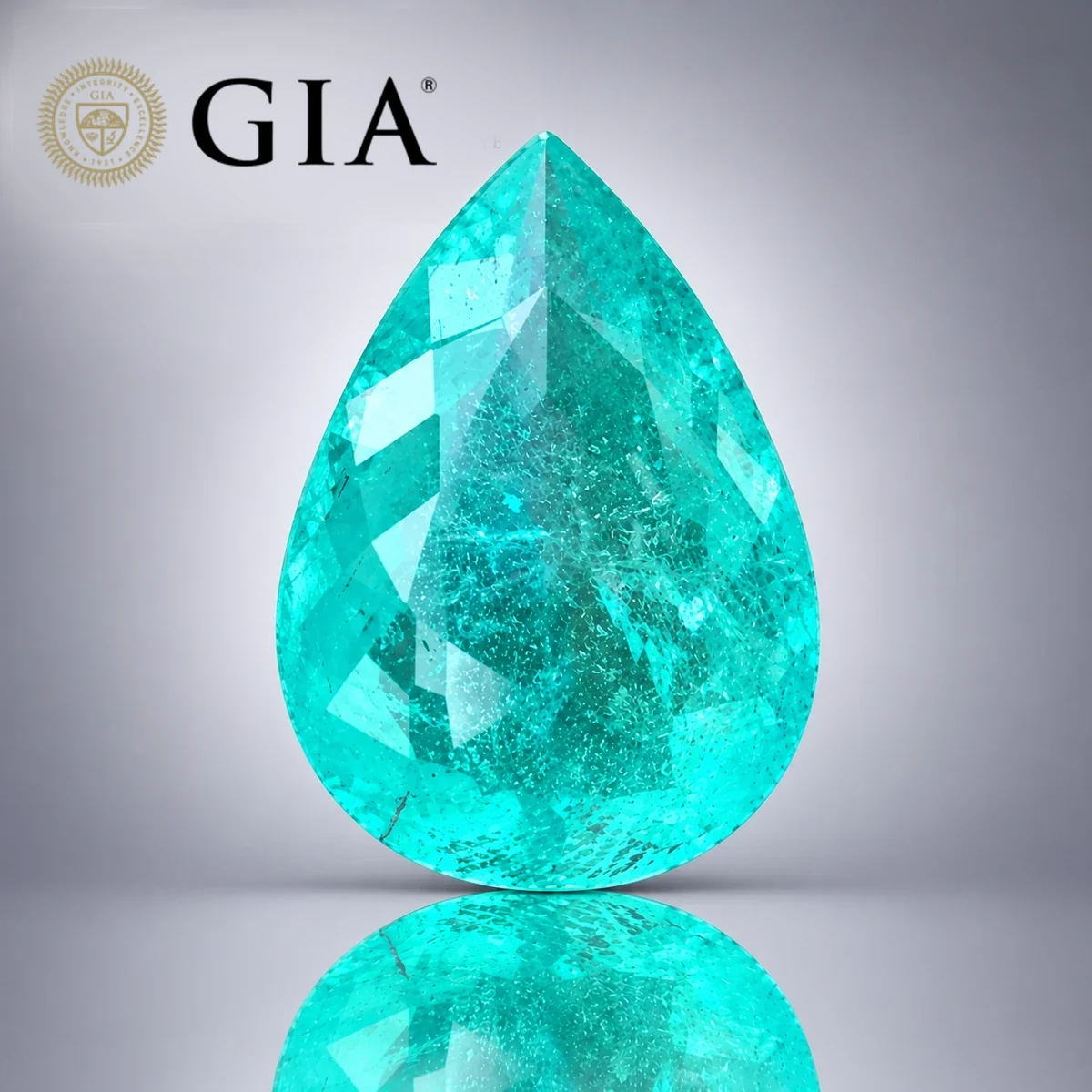
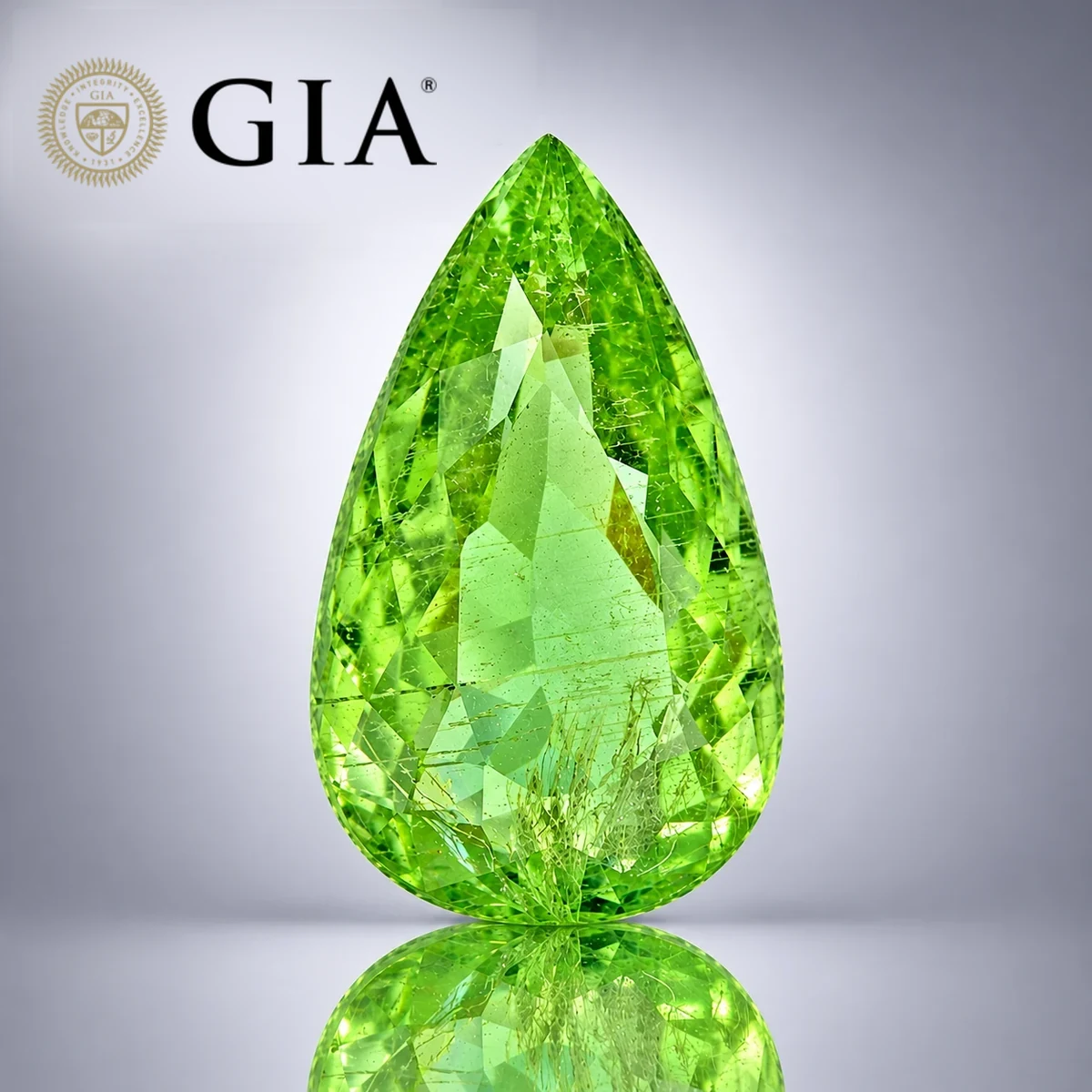
Ask for a report from a recognised laboratory. GIA's coloured stone reports state whether a stone is natural or synthetic and list any detectable treatments. Notice the word detectable. A report records what testing can find.
Check the report number with the laboratory. GIA offers report verification, and GRS runs a free online verification service.
Be wary of a price that looks too good and of a seller who avoids a direct answer. A seller who knows the stone says natural or lab grown in one sentence.
We sell natural stones and state the treatment on each listing. Where a stone carries a laboratory report, the listing shows it.
Looking for a stone like this?
We keep stock in Bangkok and answer questions about grading, treatment and price without pressure.

Join the conversation
Ask a question or share what you have seen. We read every comment and reply to the good questions.
Loading comments