Zircon is not cubic zirconia
IGS gives zircon as ZrSiO4 with traces of iron, uranium, thorium and hafnium, and describes it as a tetragonal natural mineral. Cubic zirconia is ZrO2, a laboratory created material. The names sound alike and the stones have nothing else in common.
The name comes from the Arabic zargun, which IGS traces to the Persian words for gold and colour.
High, intermediate and low zircon
Zircon contains uranium and thorium. Over millions of years their decay damages the crystal structure. A heavily damaged stone is called low zircon and is metamict, meaning its structure has gone amorphous. A stone that stays fully crystalline is high zircon.
IGS reports that damage lowers the stone's hardness, refractive index and brilliance, and that low zircon is often cloudy. Most gem quality zircon is high zircon and is not radioactive in any meaningful way.
- Hardness
- Low zircon 6, high zircon 7.5.
- Refractive index
- High zircon about 1.92 to 2.01 across the two directions. Low zircon about 1.78 to 1.85.
- Specific gravity
- Low 3.95 to 4.20, intermediate 4.08 to 4.60, high 4.60 to 4.80.
- Dispersion
- 0.039 in all three types.
- Birefringence
- Low 0 to 0.008, intermediate 0.008 to 0.043, high 0.036 to 0.059.
IGS adds that strong birefringence can make a stone look fuzzy if the cutter does not orient the table correctly.
Colours and where they come from
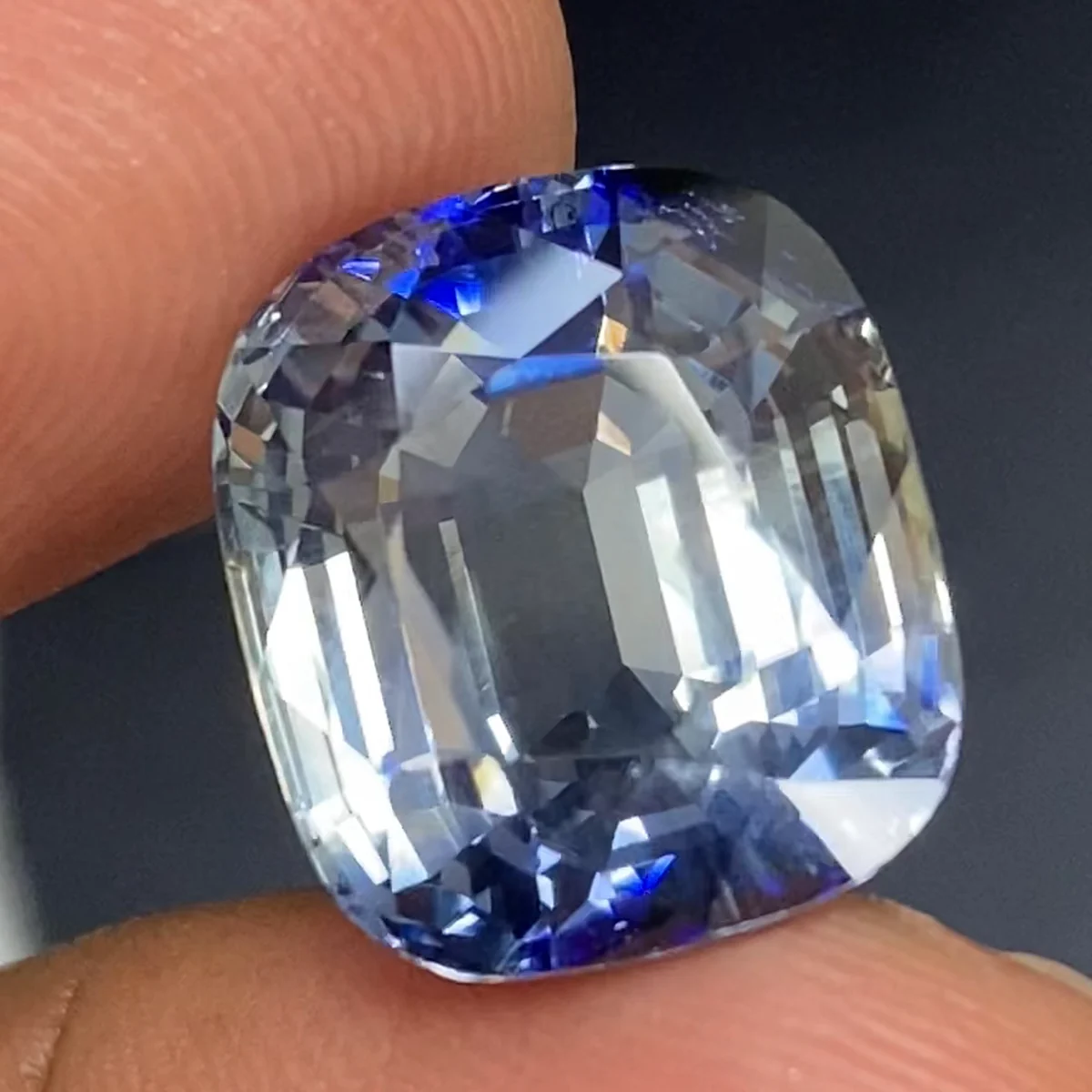
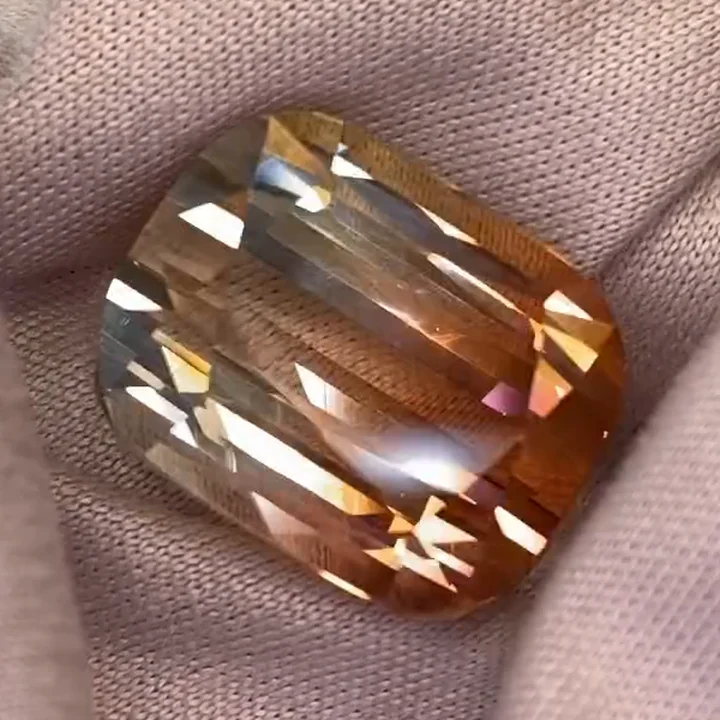
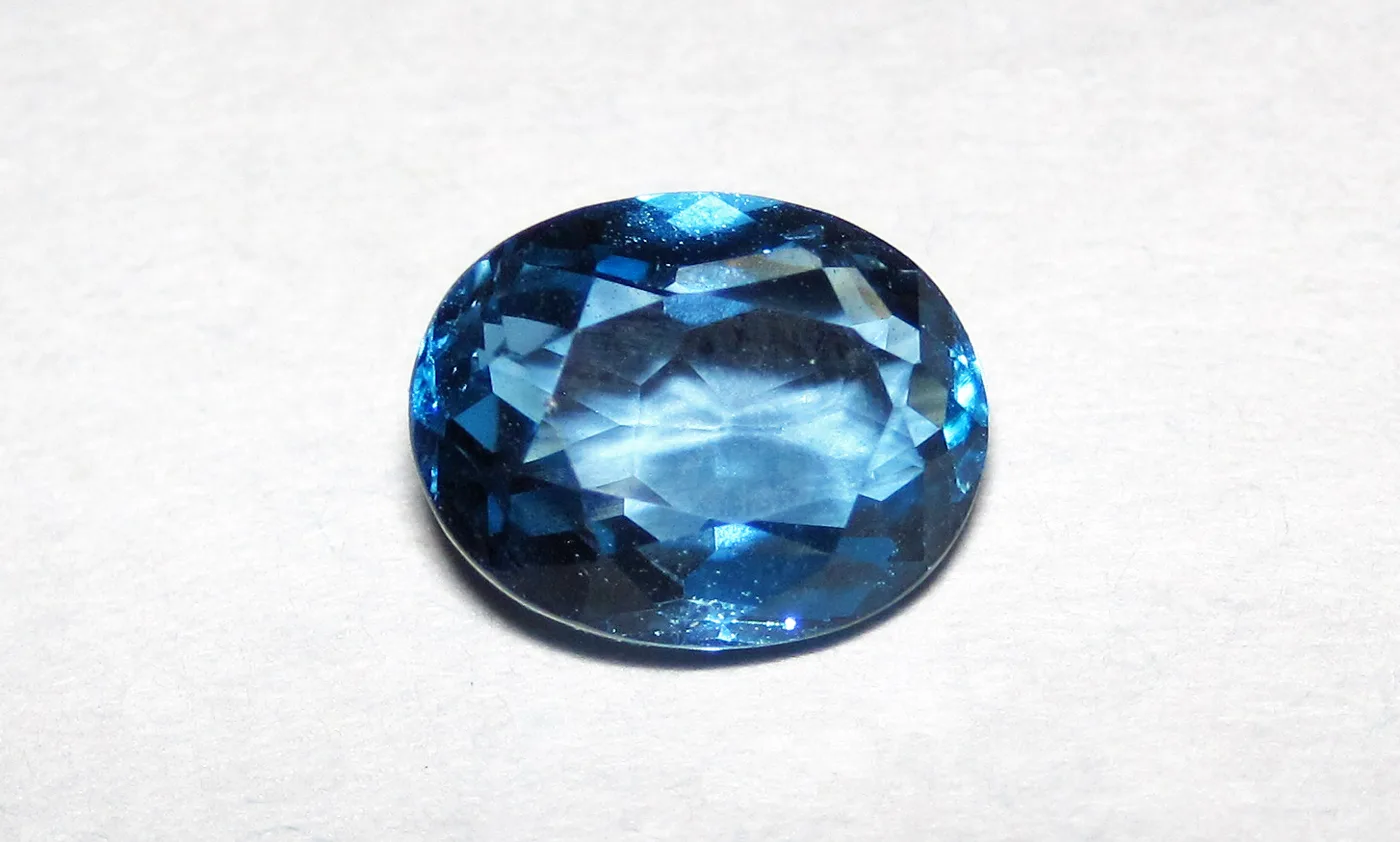
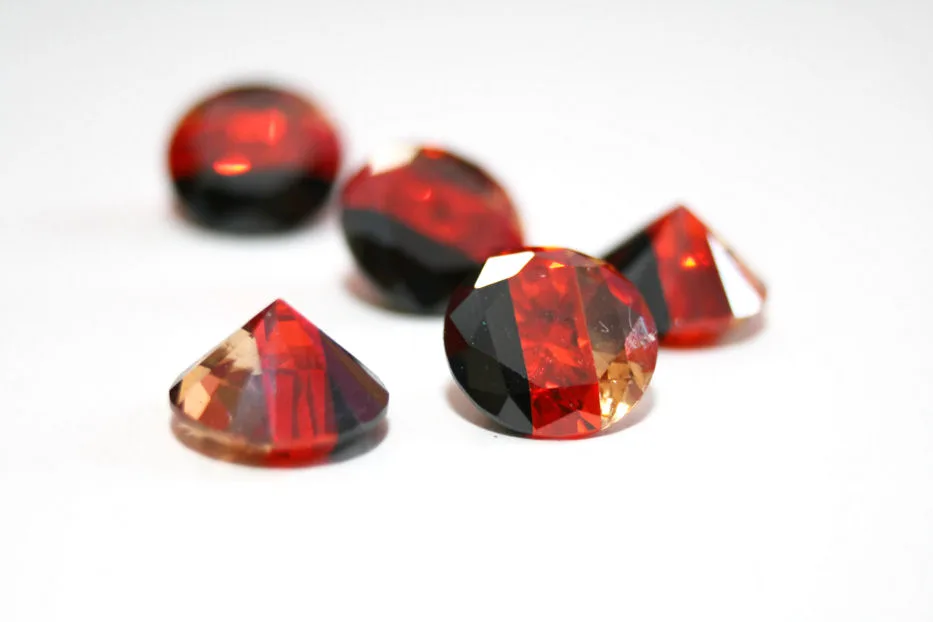
Natural zircon comes in brown, reddish brown, yellow, grey, green, red and purple. Heat produces blue and colourless stones.
IGS names Southeast Asia as the main source. Sri Lanka produces many colours, Cambodia is the main source of blue and colourless material, Myanmar yields yellowish and greenish stones and Thailand is a major commercial source.
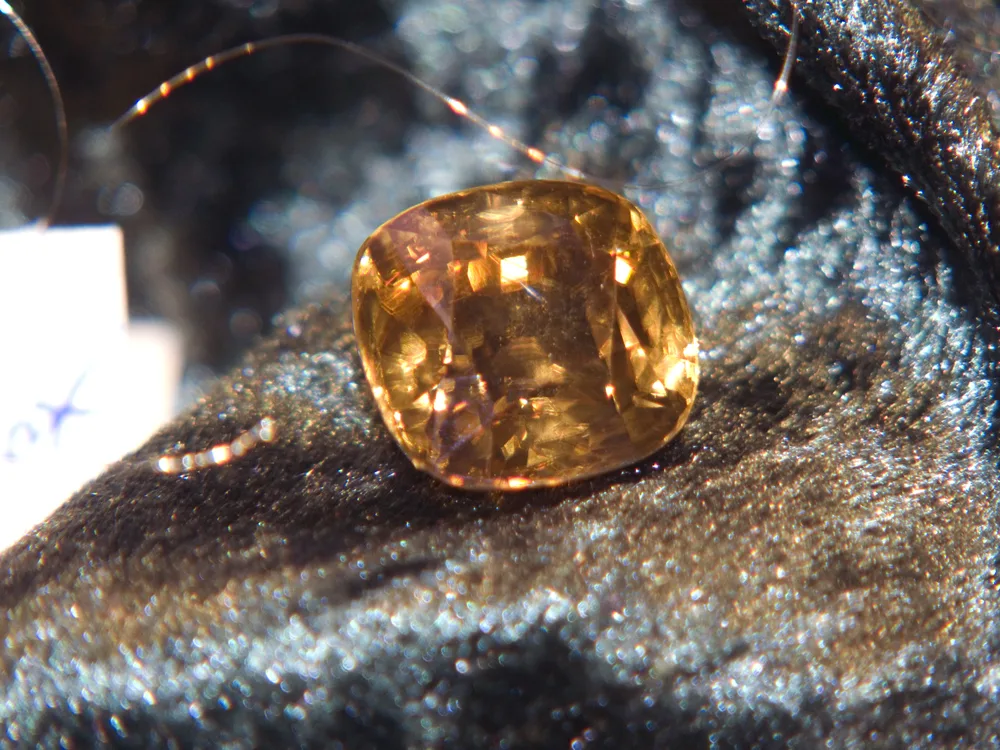
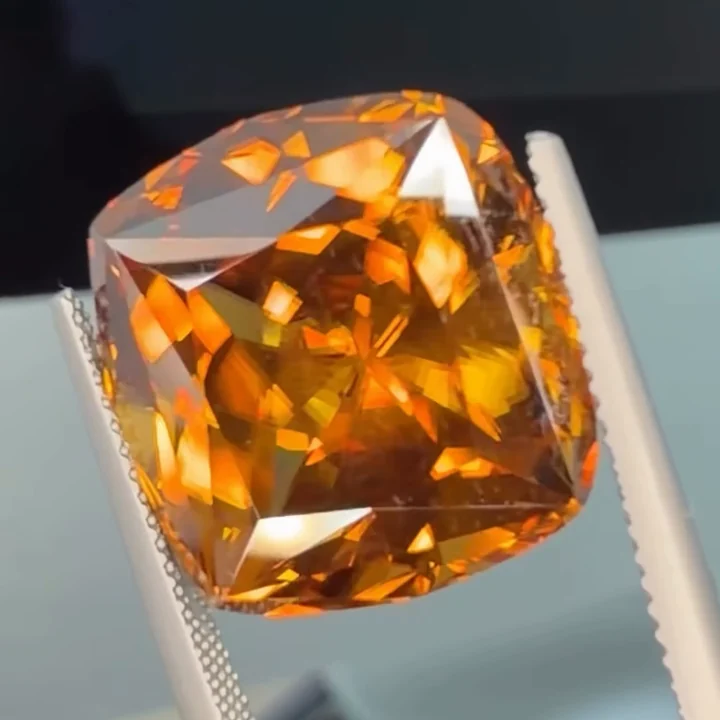
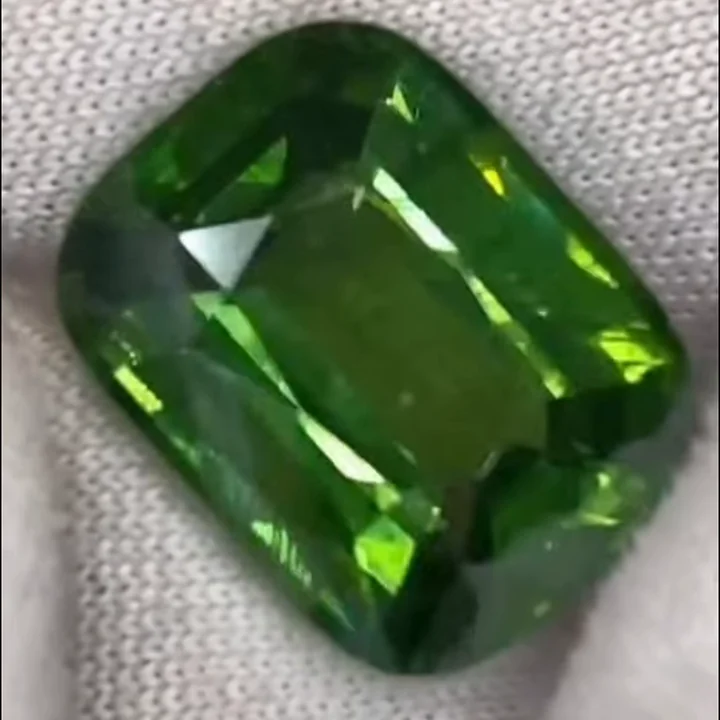
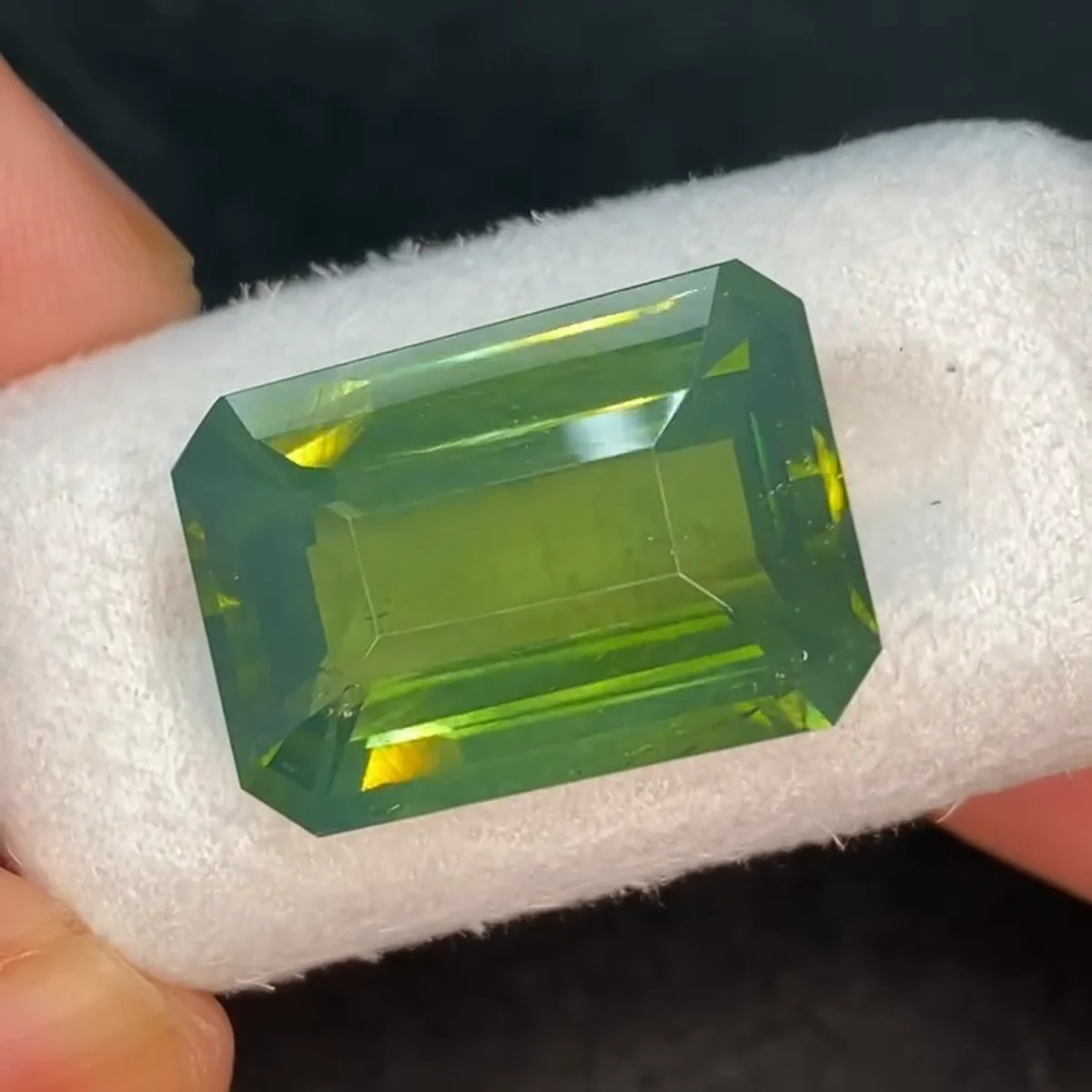
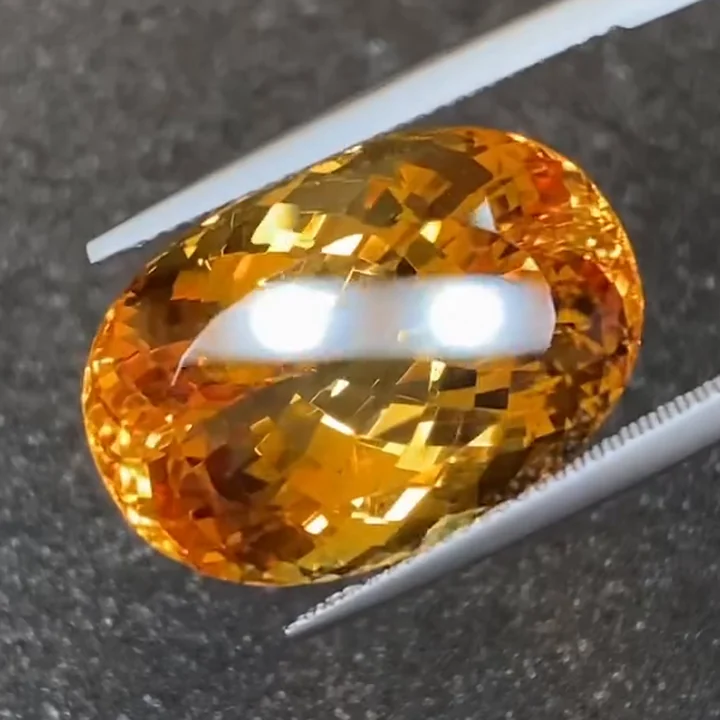
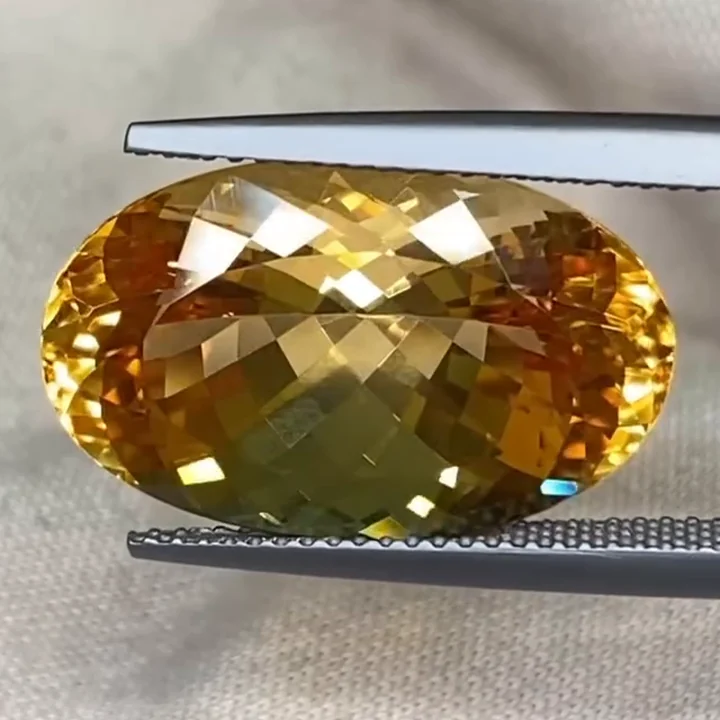
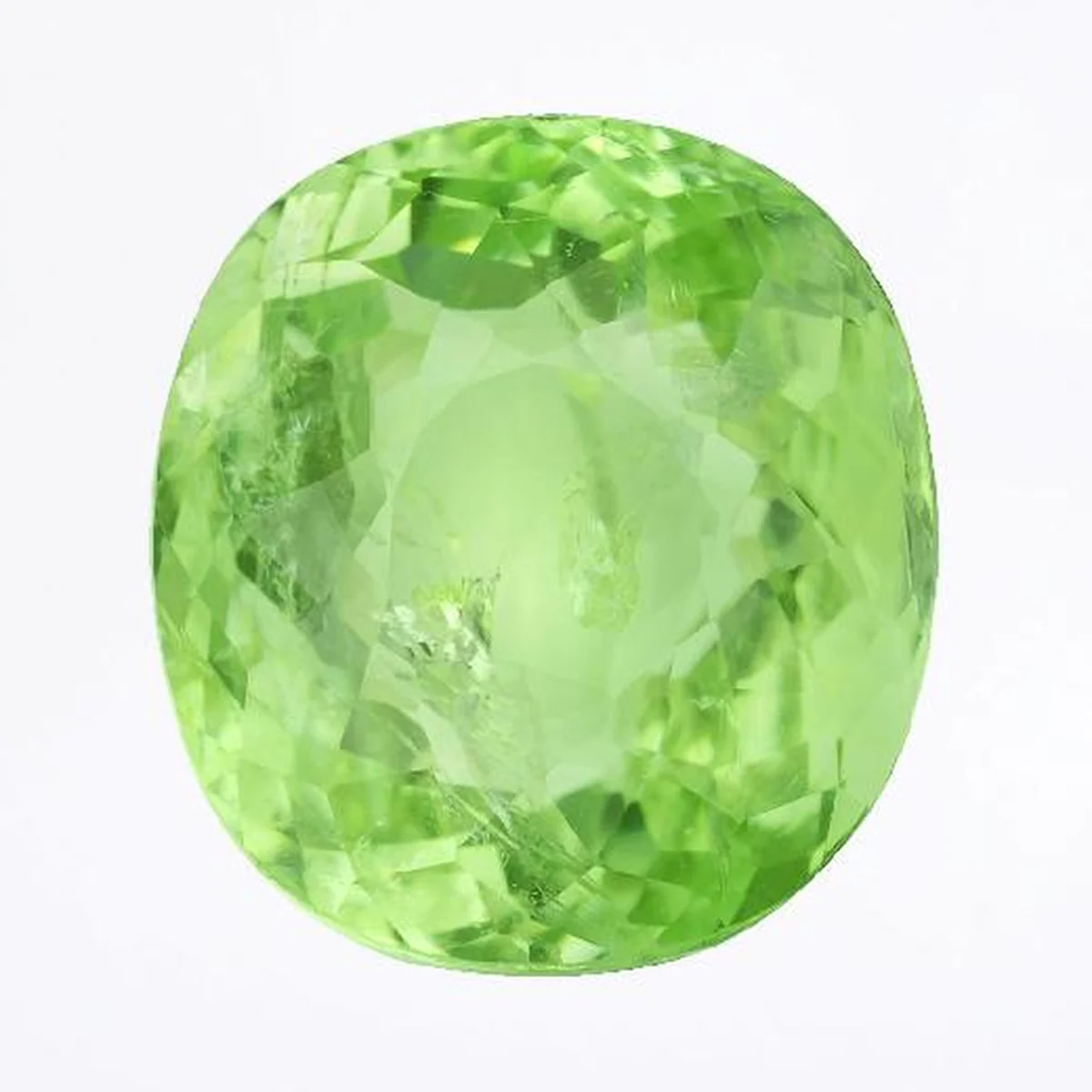
Our two zircons are a 30.01 ct honey yellow stone from Madagascar and a 9.45 ct green stone from Sri Lanka.
Treatment
IGS states that nearly all blue and colourless zircon is heat treated and that the treatment is undetectable. Reddish brown rough from Thailand and Cambodia is commonly heated to turn it colourless, blue or golden.
The colour of heated blue zircon is less stable to light than heated green or yellow. Keep that in mind if you plan to wear a blue stone in strong sun every day.
Ask for the treatment in writing. A seller who knows the stone can tell you whether it is heated or natural in colour.
Wearing zircon
IGS describes cleavage as imperfect and the stone as brittle, so facet edges chip and wear. It recommends protective settings for rings and calls pendants, brooches and earrings safer.
Clean it with warm water, mild detergent and a soft brush. IGS warns against ultrasonic cleaners.
Looking for a stone like this?
We keep stock in Bangkok and answer questions about grading, treatment and price without pressure.

Join the conversation
Ask a question or share what you have seen. We read every comment and reply to the good questions.
Loading comments