
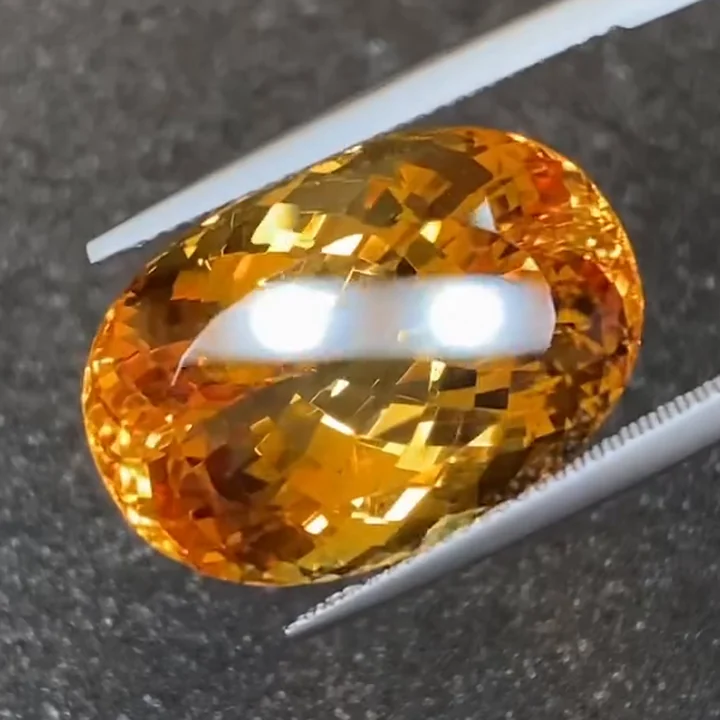
What imperial means
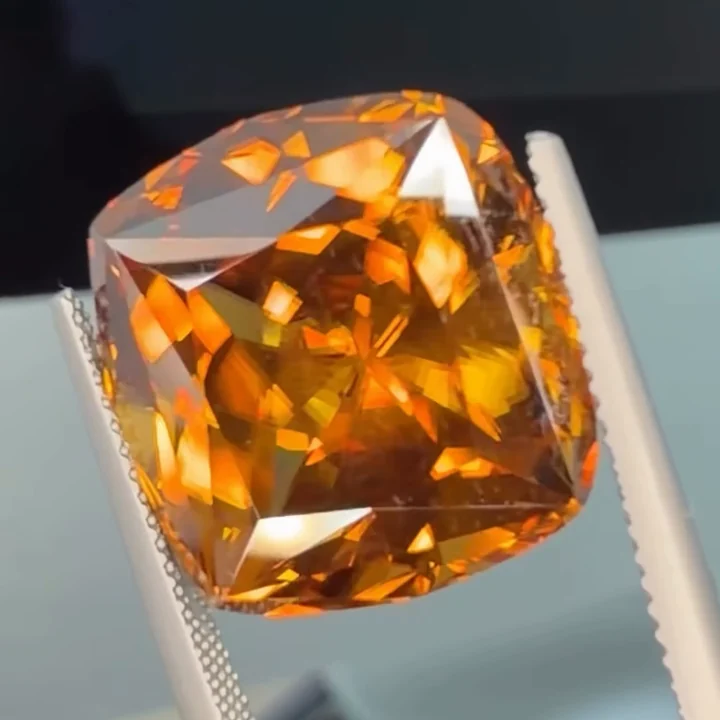
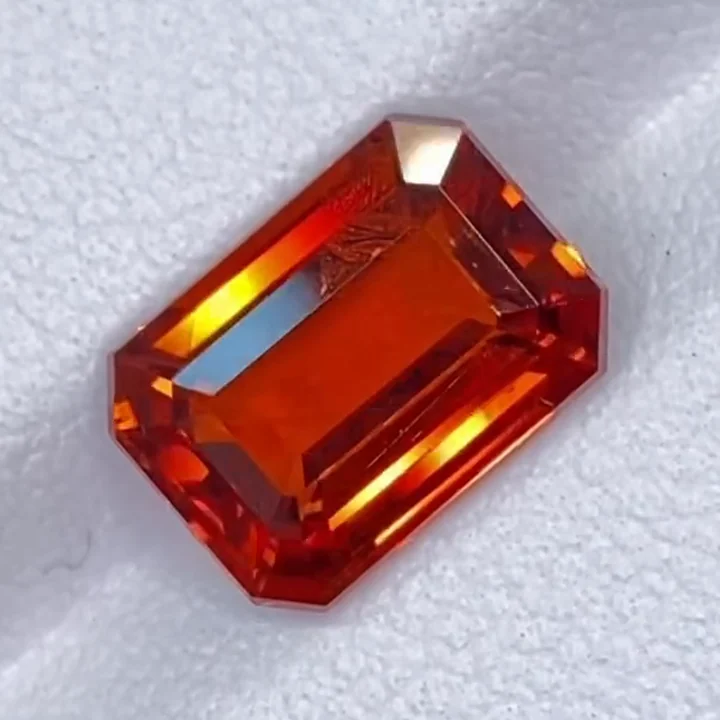
GIA describes imperial topaz as a medium reddish orange to orange red and calls it one of the most expensive colours in the species. GIA also states that commercial deposits of imperial topaz occur in one area only, Ouro Preto in Brazil.
Ask a seller what colour they mean by imperial and what the laboratory report states.
Three centuries of mining
A GIA reading list by Dr. James Shigley reports that topaz near Ouro Preto was reportedly found in 1696, around the same time as alluvial gold. Small scale surface mining followed. Miners have worked the area since the mid 1700s, and by the early 1800s lapidaries and jewellers across Europe knew the crystals.
The same list names the main mines as Vermelhão, near Ouro Preto, and Capão, between Dom Bosco and Rodrigo Silva. Mining at Capão began in the early 1800s. The topaz zone covers about 6 kilometres by 25 kilometres.
A 1996 Gems & Gemology study by Daniel Sauer, Alice Keller and Shane McClure describes Capão as one of the oldest and most productive fully mechanised imperial topaz mines. Bulldozers, water cannons and dragscrapers strip a thick brown overburden, and crews recover crystals from the pits.
The colour range
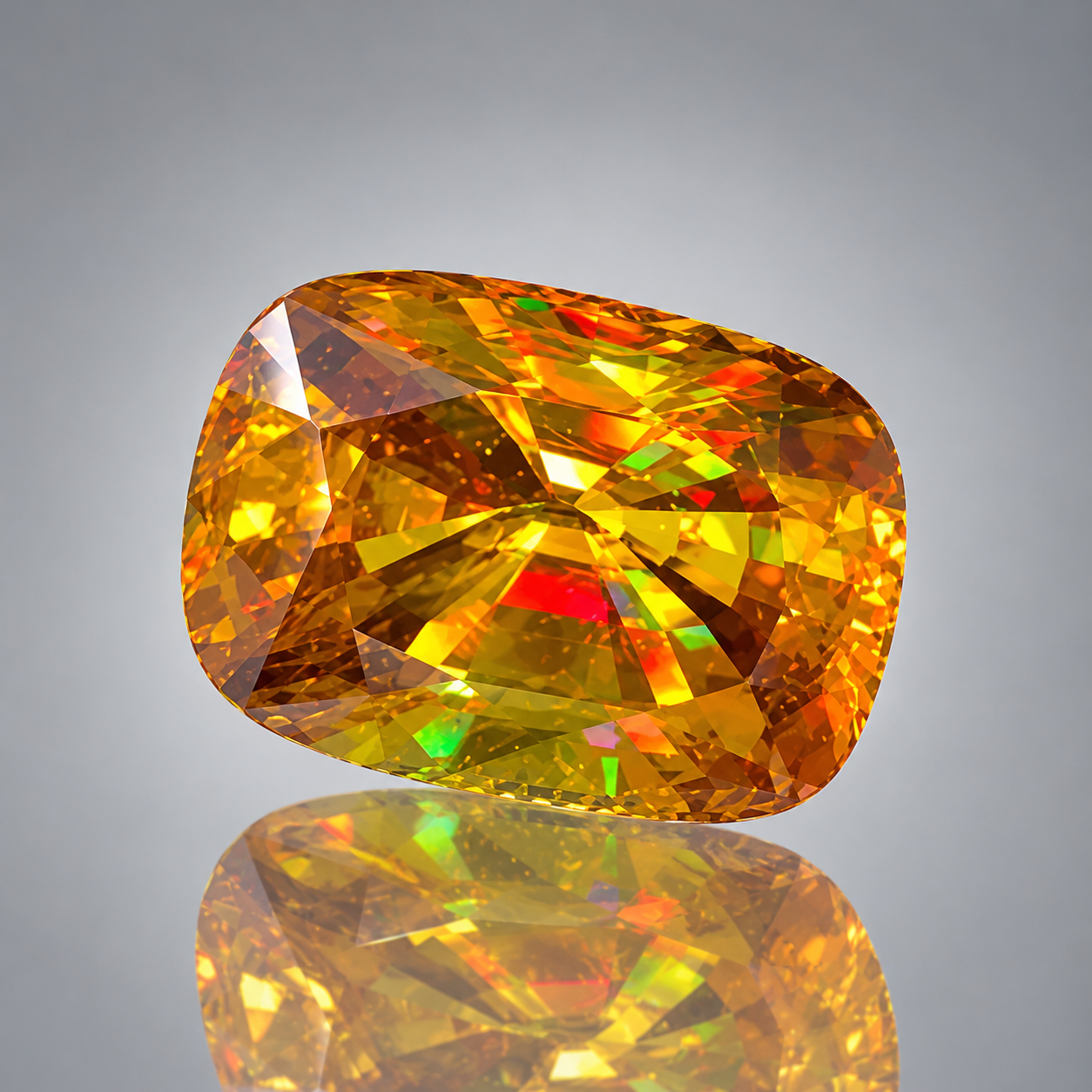
GIA lists the crystals from the area as orange yellow, reddish orange, pinkish orange and pinkish purple. Sauer and his co-authors name pinkish purple to purple as the rarest colour.
GIA states that chromium produces the pink, red and violet to purple colours in topaz. Atomic level imperfections in the crystal produce yellow, brown or blue.
Topaz is also pleochroic, which means it shows different colour in different crystal directions.
Heat changes the colour
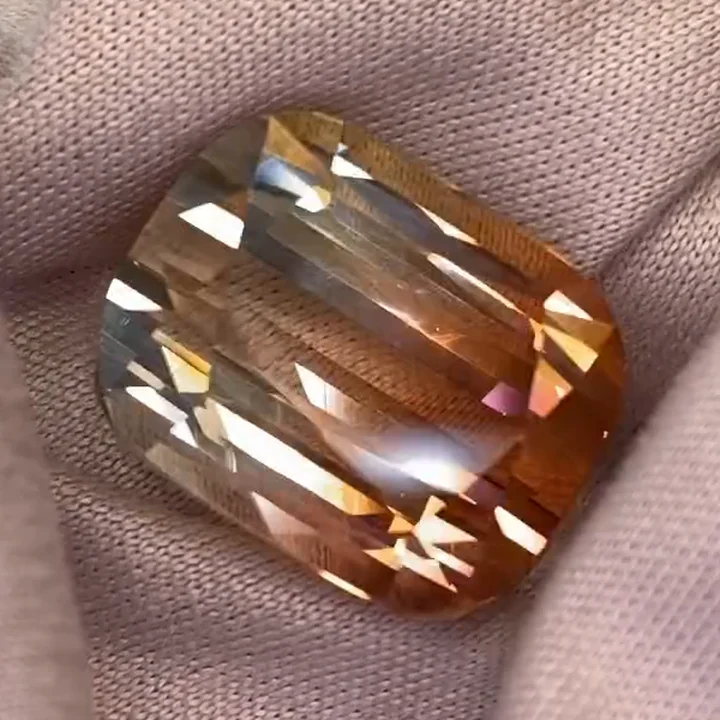
Sauer and his co-authors report that heating turns some brownish yellow or orange Capão topaz into peach or pink. Their preliminary tests also suggest a fluorescence difference between heated and unheated stones, which gives laboratories a clue to look for.
The GIA reading list describes the natural colour as stable under normal temperature conditions. It also cites a 2003 study by Schott and colleagues in which orange red colour faded when heated above 450 degrees Celsius.
A jeweller's torch runs far hotter than that. Tell any jeweller who sizes or repairs a ring with imperial topaz to keep the heat away from the stone.
What to ask before you buy
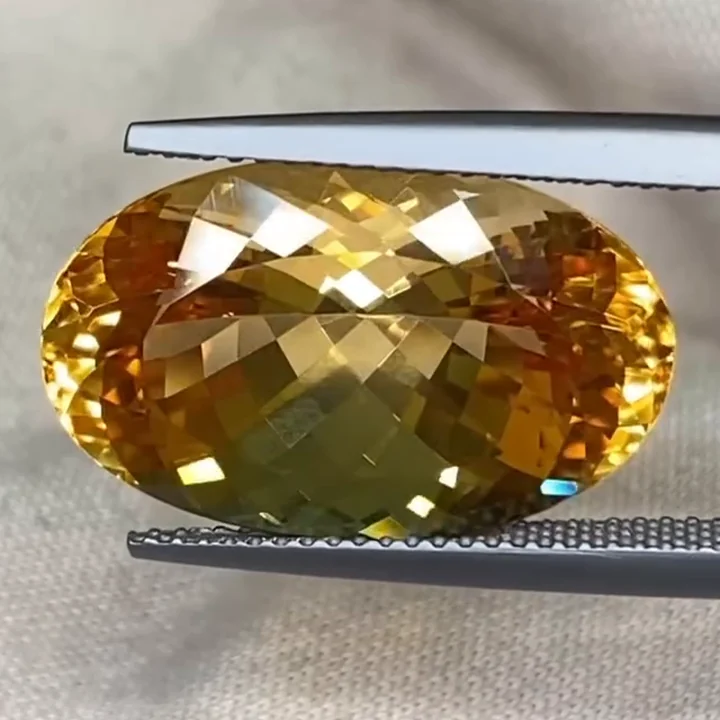
Ask whether the stone is heated. A report from a recognised laboratory answers that with evidence. The GRS report on our 34.37 ct oval from Ouro Preto states no indication of heat.
Check the origin line next. GIA says commercial imperial topaz comes from Ouro Preto, so any other origin deserves a question.
Finally, look at the stone in daylight and under warm light before you decide. Topaz is the birthstone for November, according to GIA.
Looking for a stone like this?
We keep stock in Bangkok and answer questions about grading, treatment and price without pressure.

Join the conversation
Ask a question or share what you have seen. We read every comment and reply to the good questions.
Loading comments