
What the name means
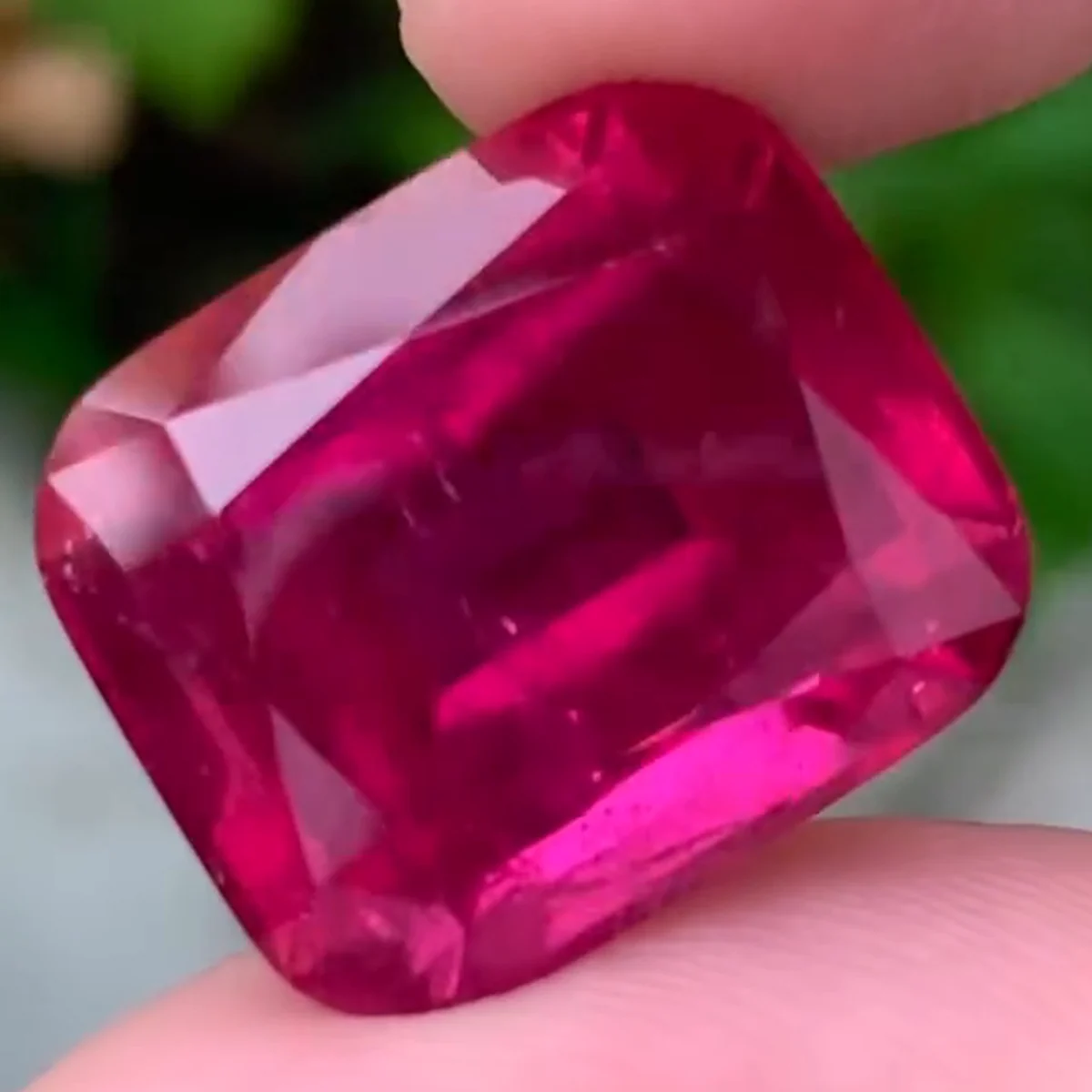
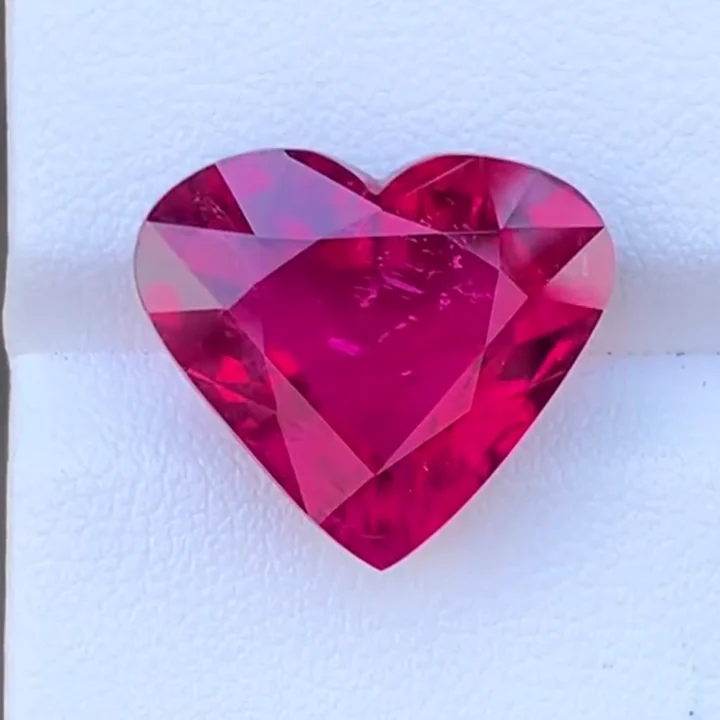
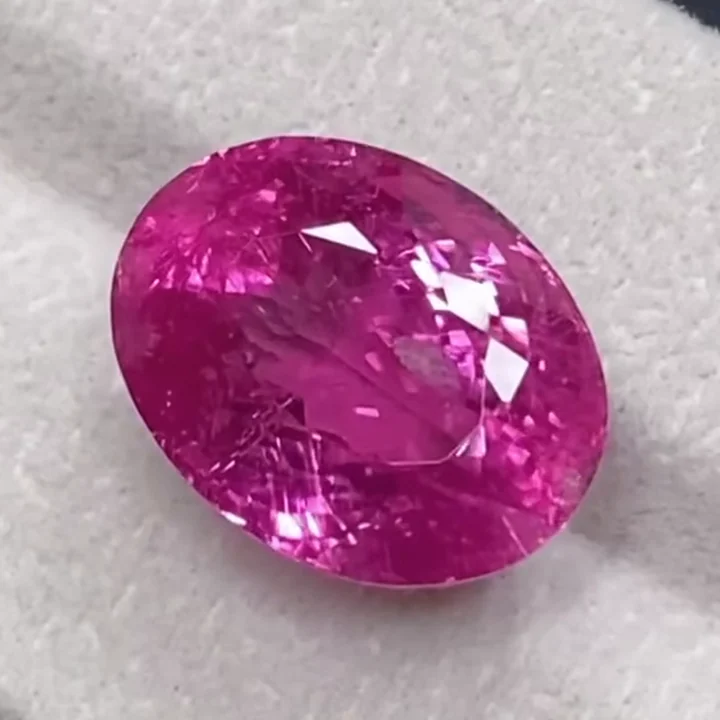
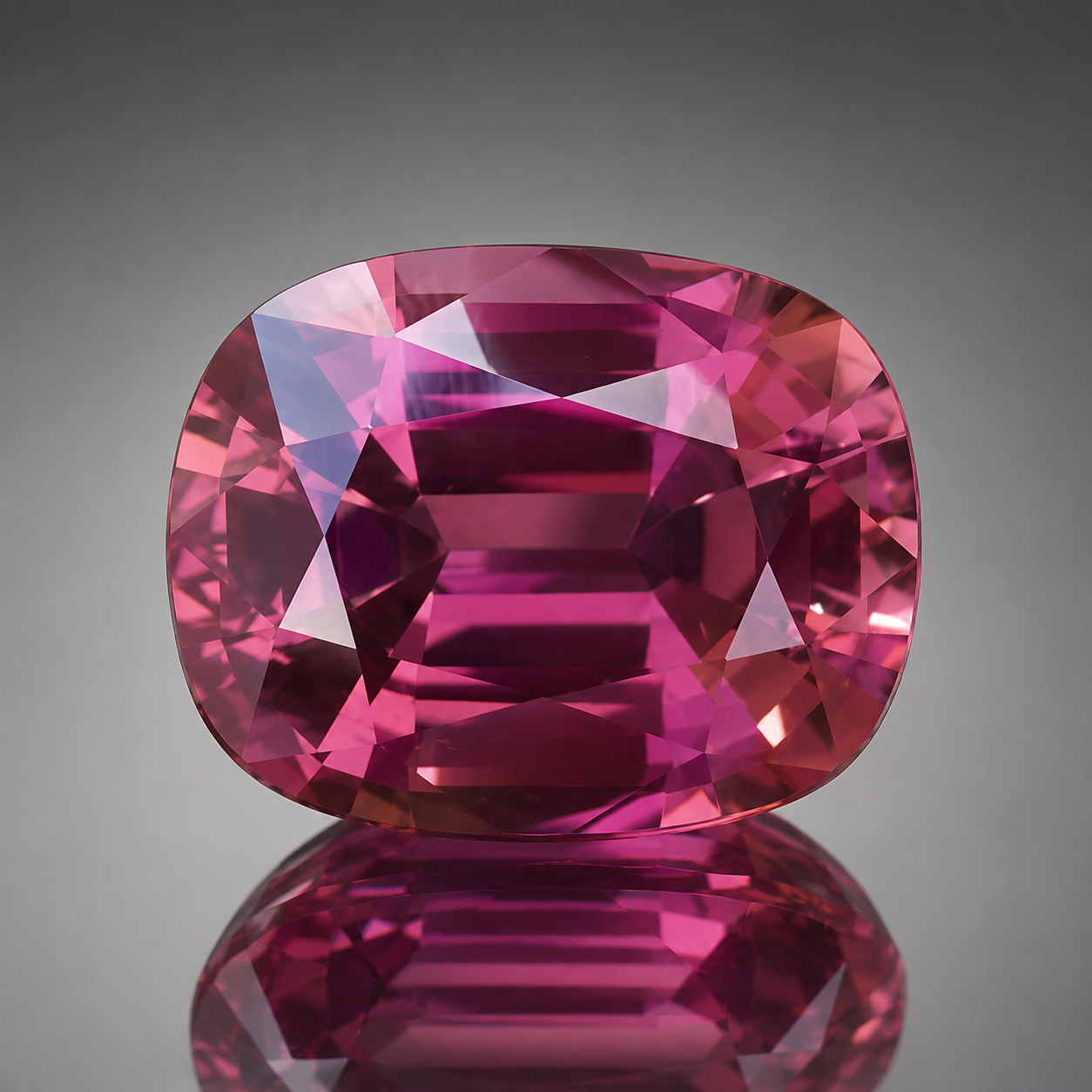
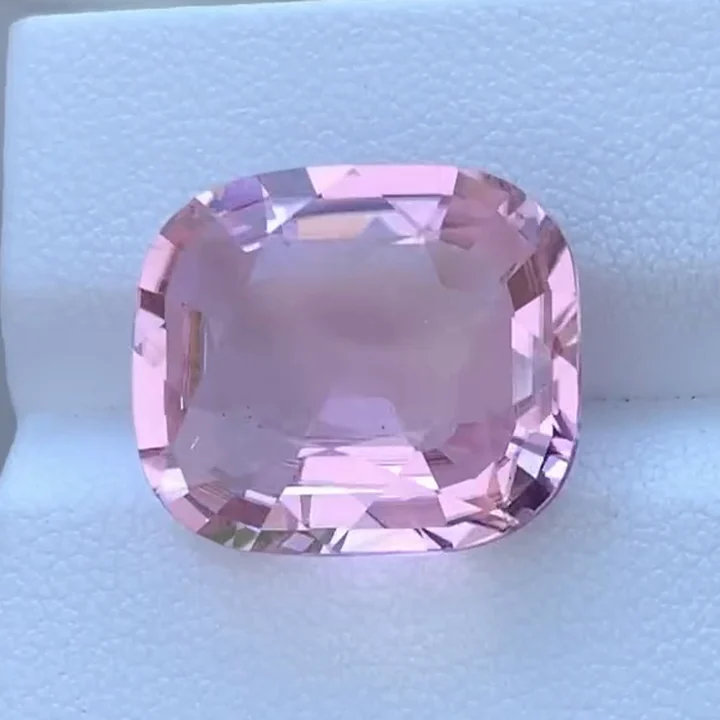
GIA defines rubellite as a trade name for tourmaline in pink, red, purplish red, orangy red or brownish red. GIA adds that some dealers dispute whether the name should apply to pink stones. It is a trade term, not a scientific one.
Manganese produces the colour. GIA states that it creates reds and pinks in tourmaline. IGS lists the usual range as reasonably saturated dark pink to red.
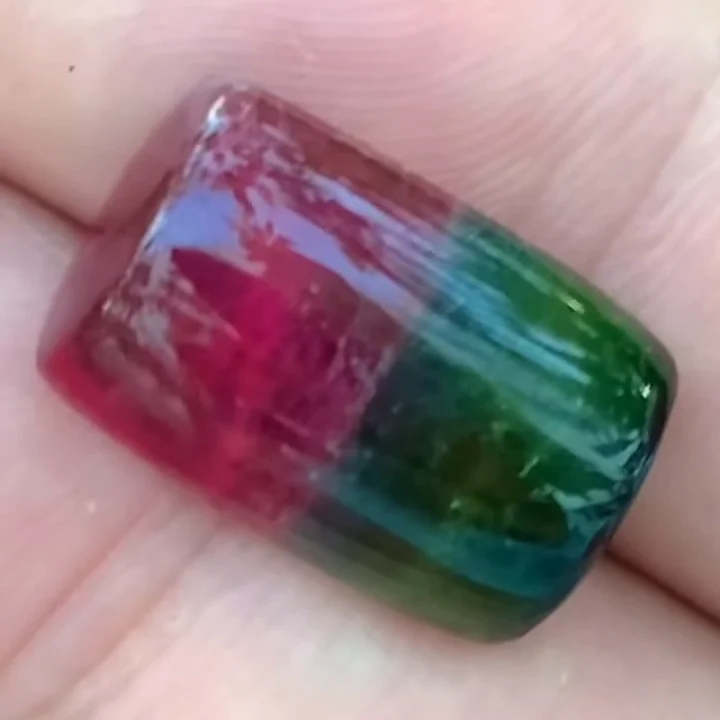
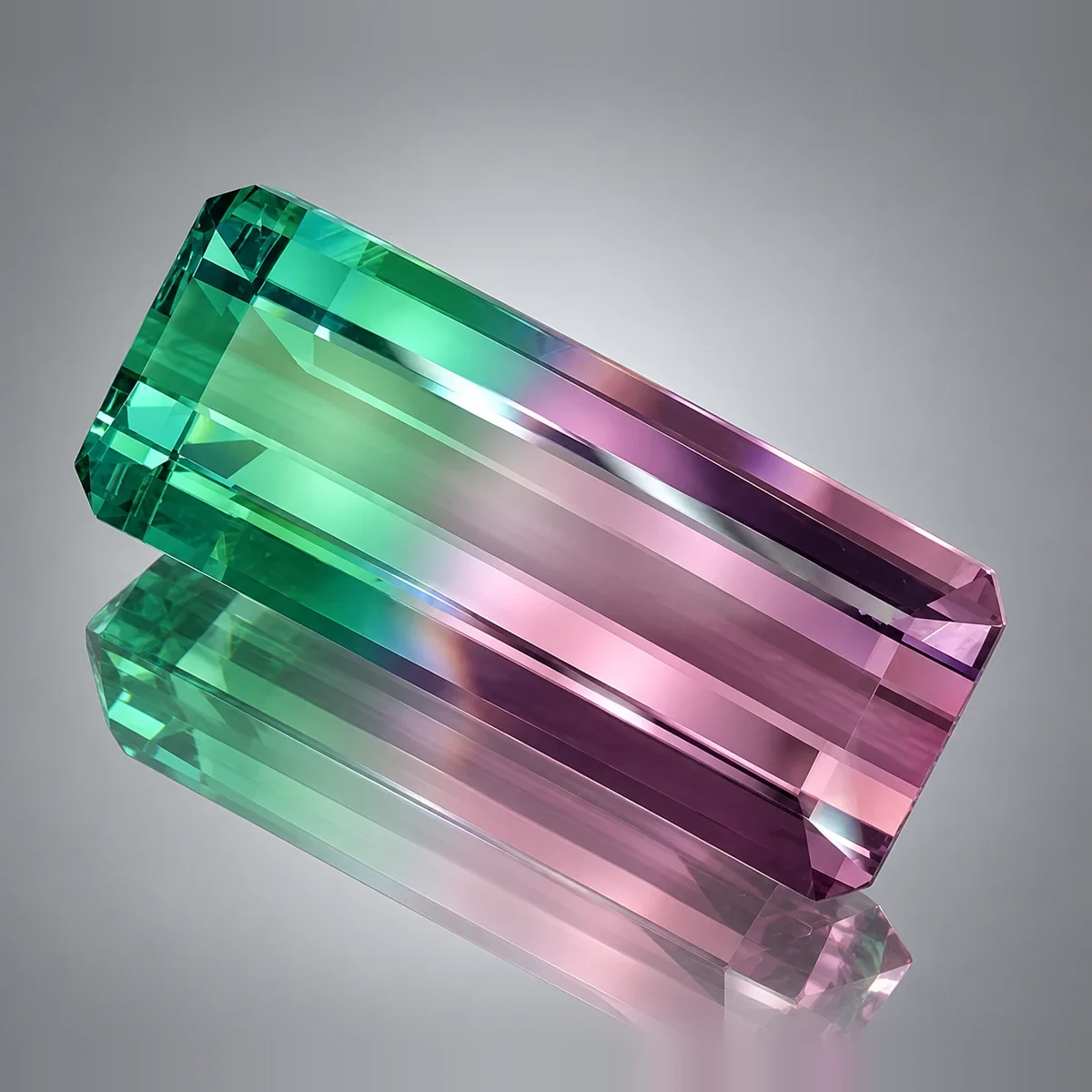
GIA describes watermelon tourmaline as a different case, with a pink centre and a green rim. Cutters slice those crystals to show the pattern.
The properties
IGS gives these figures for rubellite.
- Hardness
- 7 to 7.5 on the Mohs scale, with no cleavage.
- Refractive index
- 1.619 to 1.655.
- Specific gravity
- 3.01 to 3.06.
- Optics
- Doubly refractive and uniaxial negative.
- Pleochroism
- Medium pink to light pink or colourless.
- Clarity type
- Type III, which means stones almost always contain inclusions.
IGS notes that needle like inclusions occasionally produce a cat's eye effect. Expect to see some inclusions in a rubellite. A completely clean stone is the exception and it costs more.
Where it comes from
IGS lists Afghanistan, Brazil, Madagascar, Myanmar, Nigeria, Russia and the United States as notable sources. Our current rubellite comes from Afghanistan and Mozambique.
Origin matters less for rubellite than for paraiba. Colour and clarity set most of the price.
The treatment problem
IGS states that irradiation is common in rubellite and that it is undetectable. Its advice to buyers is to assume a rubellite is treated, even though some individual stones are not.
A 2016 study in the Walailak Journal of Science and Technology, by Apichate Maneewong and colleagues at the Thailand Institute of Nuclear Technology, shows why. The team heated two pink tourmalines from Afghanistan at 600 degrees Celsius in air and both turned colourless. They then irradiated the stones with an electron beam at 800 kGy.
The stone with higher manganese, 0.24 weight percent, regained its pink colour. The stone with lower manganese, 0.08 weight percent, turned yellow instead. A green Nigerian tourmaline in the same test showed no change from either treatment.
IGS adds that highly included stones sometimes receive fracture filling, similar to emerald. A laboratory detects filling with FTIR spectroscopy.
Colour, value and care
IGS names deep pinkish red to slightly purplish red as the most desirable range. Brownish tones lower the value considerably. Untreated stones that are eye clean or better earn the most.
Care is simple. IGS recommends a soft brush, mild detergent and warm water. Avoid ultrasonic and steam cleaners, because inclusions and fillers make some stones sensitive to heat.
When you buy, ask for the treatment statement in writing, ask what it rests on and confirm the return terms. We state treatment on every listing. If a seller cannot explain how they know, treat the stone as treated and price it that way.
Looking for a stone like this?
We keep stock in Bangkok and answer questions about grading, treatment and price without pressure.

Join the conversation
Ask a question or share what you have seen. We read every comment and reply to the good questions.
Loading comments