
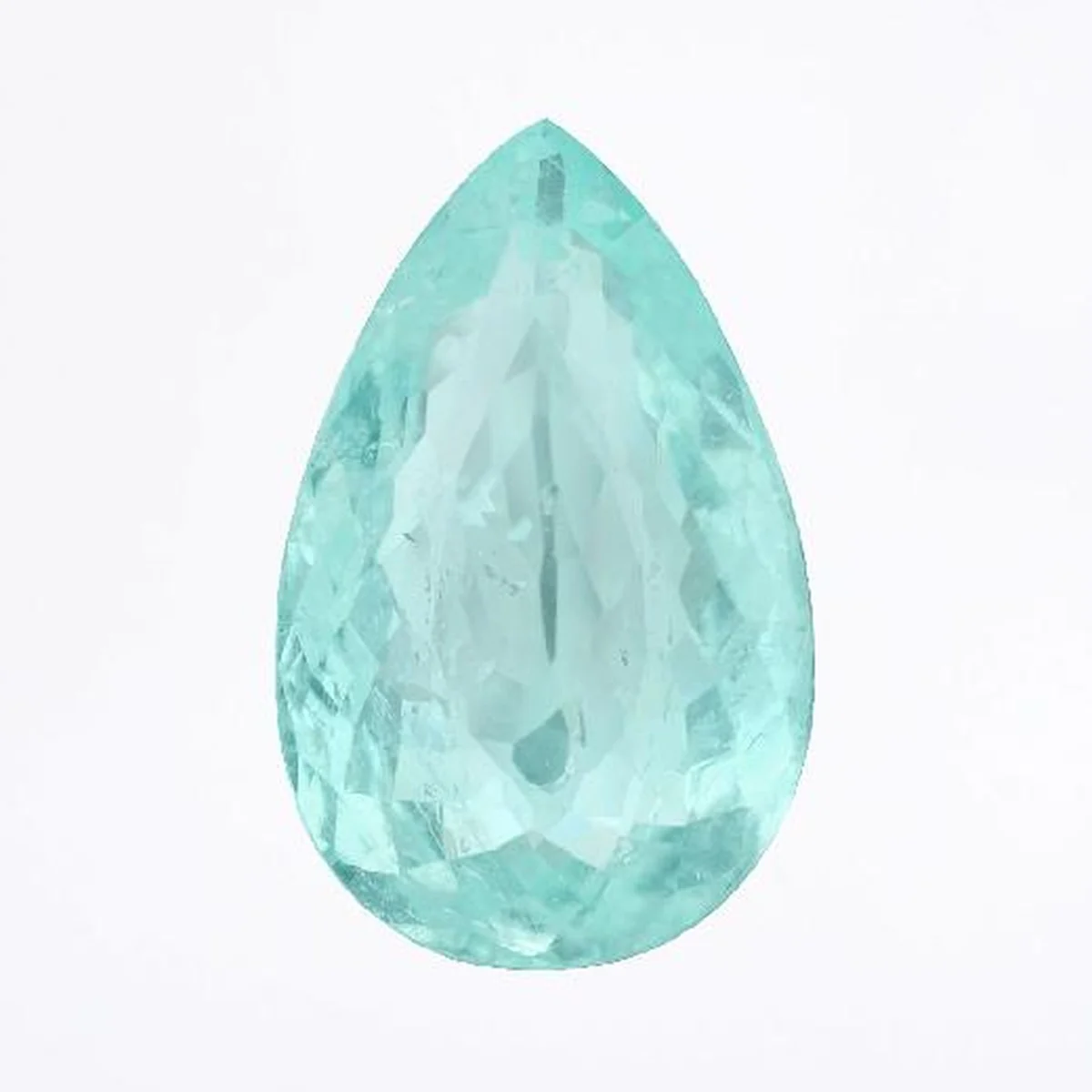
A prospector and a hill
Heitor Dimas Barbosa, a Brazilian prospector, started excavating an old open pit in the state of Paraíba in 1981. The International Colored Gemstone Association (ICA) calls him the father of the Paraiba tourmalines.
The first fine crystals reached the surface in the autumn of 1989. The deposit is the Mina da Batalha. ICA measures the hill at about 400 metres long, 200 metres wide and 65 metres high, and reports that miners combed it for five more years after the find.
ICA also states that experts now expect almost no further major finds there. That scarcity is one reason Brazilian stones carry the highest prices.
Copper does the colouring
Tourmaline normally gets its colour from iron, manganese, chromium or vanadium. The Batalha stones showed something new. ICA reports that copper produced their blue, turquoise and green, and that nobody had seen copper do this in tourmaline before.
Manganese often sits in the same crystal and adds violet and red tones. Cutters remove those tones with heat. ICA says heating burns out the red component and leaves the pure copper colour. Heat treatment is standard for this material, and a good report states it.
Nigeria and Mozambique
In early 2001 blue green tourmaline from Nigeria reached the market. ICA says it matched the Brazilian chemistry, usually needed heating and ran a little lighter in colour.
Mozambique followed, and GIA documented it in Gems & Gemology in 2008. Brendan Laurs and his co-authors report that copper bearing tourmaline came out of the ground in Mozambique in 2001. Dealers did not recognise the copper until 2003, and the stones sold widely under a Mozambique origin by 2005.
The same article describes the mining. Artisanal miners work alluvial ground of about 3 square kilometres near Mavuco in the Alto Ligonha pegmatite district. They dig through up to 5 metres of overburden with hand tools. Colours run from pink purple and violet blue to blue green and yellowish green. Heating turns most stones, apart from the green to yellowish green ones, into a Paraiba like blue to green.
GIA found that Mozambican stones share their basic properties with Brazilian and Nigerian copper tourmaline. A laboratory decides origin. The eye does not.
What the name covers today
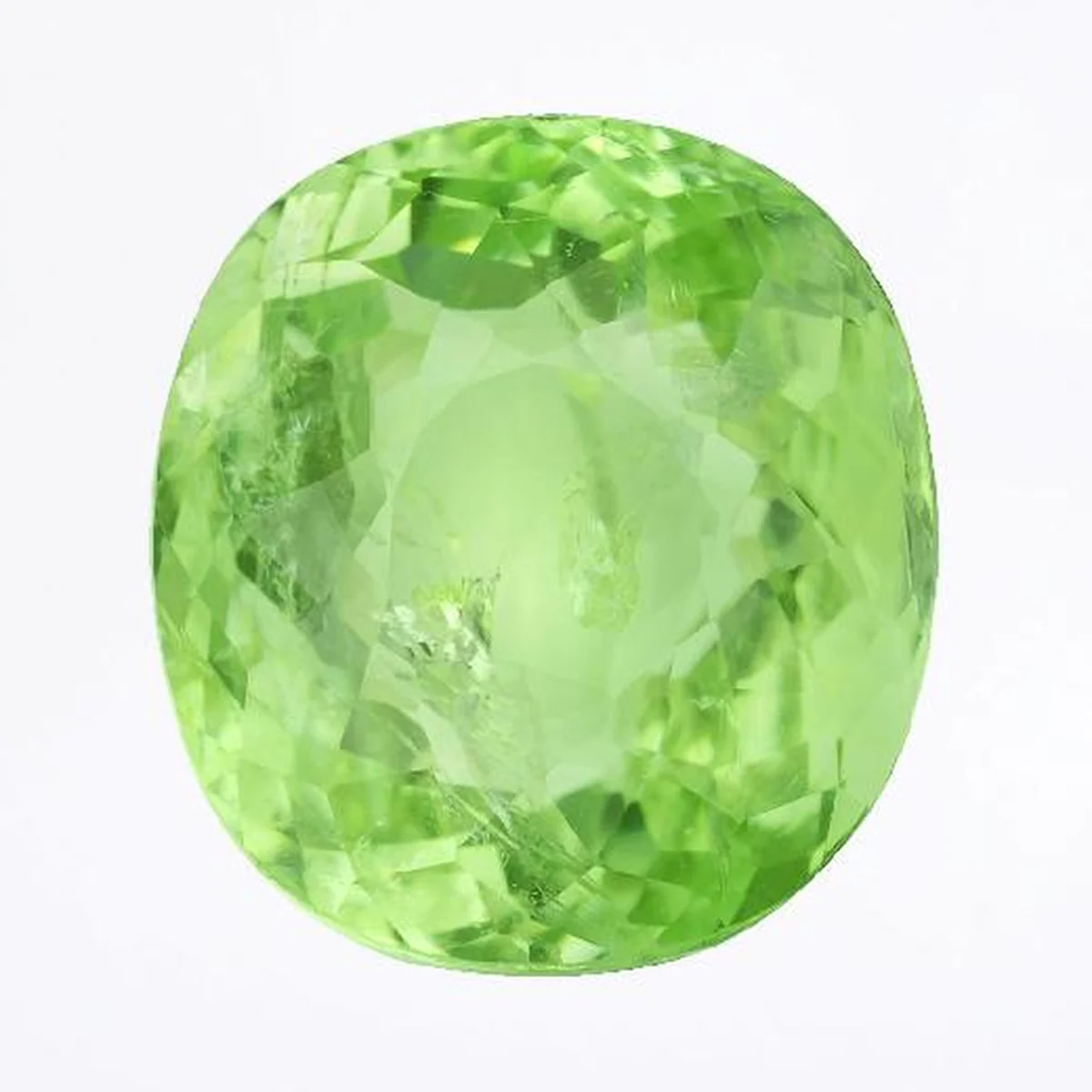
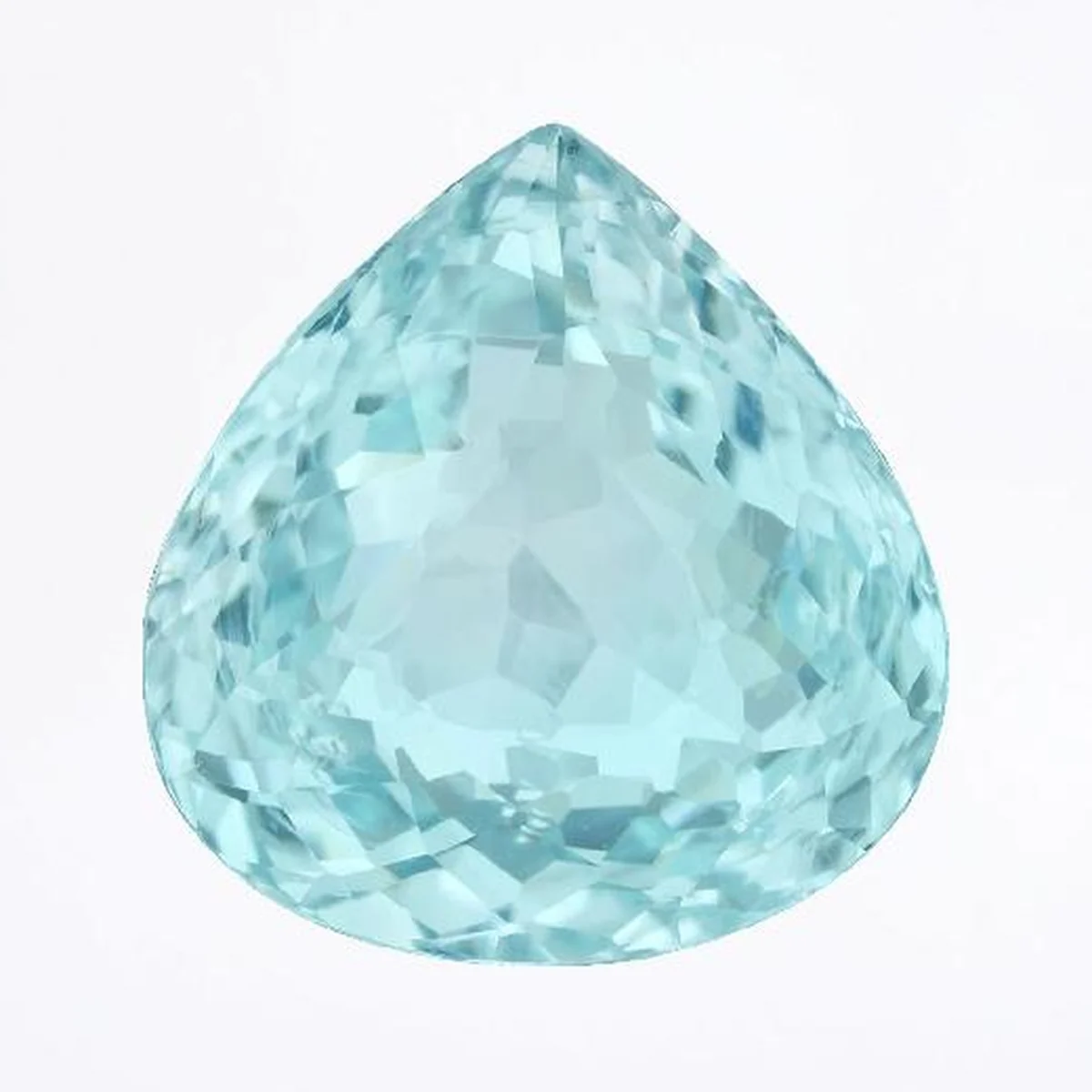
The trade now uses paraiba for copper bearing tourmaline from any country, and reports state the origin on a separate line. Our earlier article on the Ethiopian discovery covers how GIA and Gübelin wrote that definition into their reports.
Origin changes the price more than anything else on the report. ICA notes that fine, large stones reach five figures per carat and that prices keep rising.
How to buy one
Start with the report. Read the variety line, the origin line and the treatment line as three separate answers.
Look at the stone in daylight and under a cool lamp, because light changes how saturated a colour appears. Check the stone face up for a window of clear, even colour.
Most of the paraiba we sell carries a GIA report, and every listing states the weight and treatment. If a seller will not show you the report before you pay, walk away.
Looking for a stone like this?
We keep stock in Bangkok and answer questions about grading, treatment and price without pressure.

Join the conversation
Ask a question or share what you have seen. We read every comment and reply to the good questions.
Loading comments