
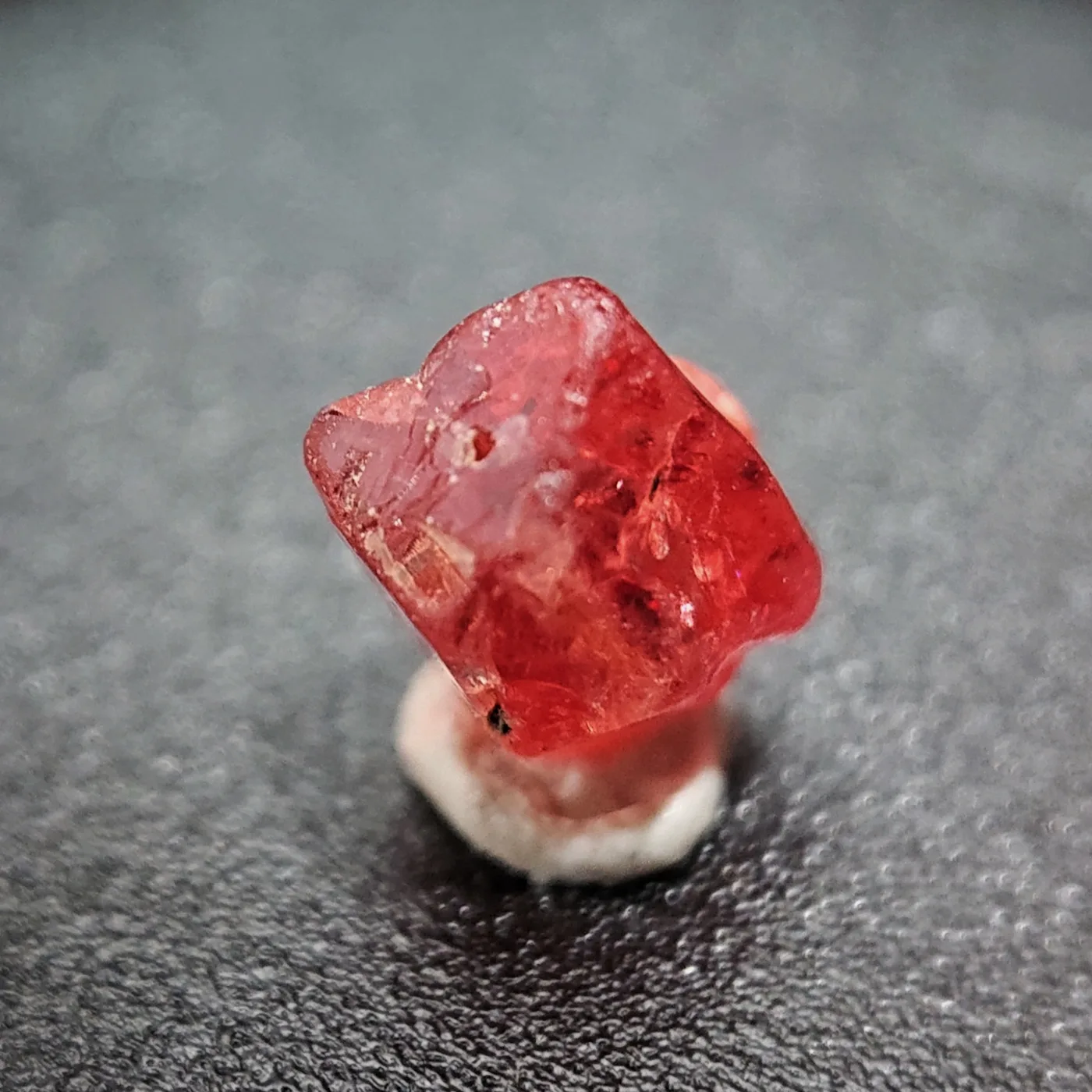
A long history of mistaken identity
The International Gem Society (IGS) says spinel has long been confused with ruby. It states that the old trade term balas ruby is not an acceptable name today and that terms like ruby spinel are discouraged.
The mix up reaches the crown jewels. IGS lists the Black Prince's Ruby, estimated at 170 carats, and the Timur Ruby, at 352 carats, as spinels.
Two minerals, one colour
Ruby is red corundum. IGS gives its formula as Al2O3 with chromium, and chromium makes the colour. Every other colour of corundum is sapphire.
Spinel is magnesium aluminium oxide, MgAl2O4. Chromium colours red spinel too. GIA's Summer 2026 study of 127 spinel found that the ratio of chromium to vanadium sets the shade. Red stones ran 1.7 or higher and orange stones ran 1.0 or lower.
The two crystals grow in different systems. Ruby is uniaxial and doubly refractive. Spinel is isometric and singly refractive.
The numbers side by side
IGS records these properties.
- Hardness
- Ruby 9, second only to diamond. Spinel 7.5 to 8.
- Refractive index
- Ruby 1.757 to 1.779. Spinel 1.712 to 1.717 for most colours and 1.715 to 1.735 for red.
- Birefringence
- Ruby 0.008 to 0.009. Spinel has none because it refracts singly.
- Cleavage
- None in either stone.
- Birthstone
- Ruby is the July birthstone.
A laboratory separates the two on refractive index and optics. A buyer should not try to settle it by eye.
How each wears
Both stones lack cleavage, which means neither splits along a plane under a knock. IGS says corundum is durable enough for everyday rings. It says spinel's hardness, lack of cleavage and excellent wearability make it suitable for everyday jewellery, including engagement rings, and that spinels require no special cleaning or care.
Ruby has the higher hardness. Spinel is hard enough for daily wear, according to IGS, and needs no special care.
Treatment is the biggest difference
Ruby is routinely treated. IGS says heating is common and generally accepted when disclosed. Fracture filling with lead glass or polymer occurs occasionally and lowers the value. Lattice diffusion is newer and less accepted. IGS gives a blunt rule for buyers. Unless a seller states that a ruby is unheated, assume it has been heated.
Spinel is different. IGS says natural spinels are seldom treated, that heating does not reliably improve the colour and can worsen some stones, and that filling for clarity is rare and not permanent. It also notes that diffusion treatments creating artificial body colours have been reported.
The FTC Jewelry Guides require a seller to disclose a treatment that is not permanent, that creates special care needs or that significantly affects value. Our earlier article covers the rule in full.
Where each comes from
IGS names Mogok in Myanmar as the legendary ruby source, known for pigeon's blood colour and strong red fluorescence. Montepuez in Mozambique, discovered in 2009, is now an important source. Thailand and Cambodia are known for high clarity but garnet like colour from iron, and their production is now negligible.
For spinel IGS lists Mogok, where gem gravels give perfect octahedra, plus Mahenge and Mogoro in Tanzania and Luc Yen in Vietnam. GIA's 2026 study adds the Vietnamese deposits Lang Chap and An Phu.
Both stones get a laboratory origin opinion from GIA, which lists ruby and red spinel among the stones it names an origin for.
The colour range
Ruby covers a narrow band. IGS records pinkish, purplish, orangey and brownish reds, set by the balance of chromium and iron. Everything outside red is sapphire, so a pink corundum is a pink sapphire by the trade's rules.
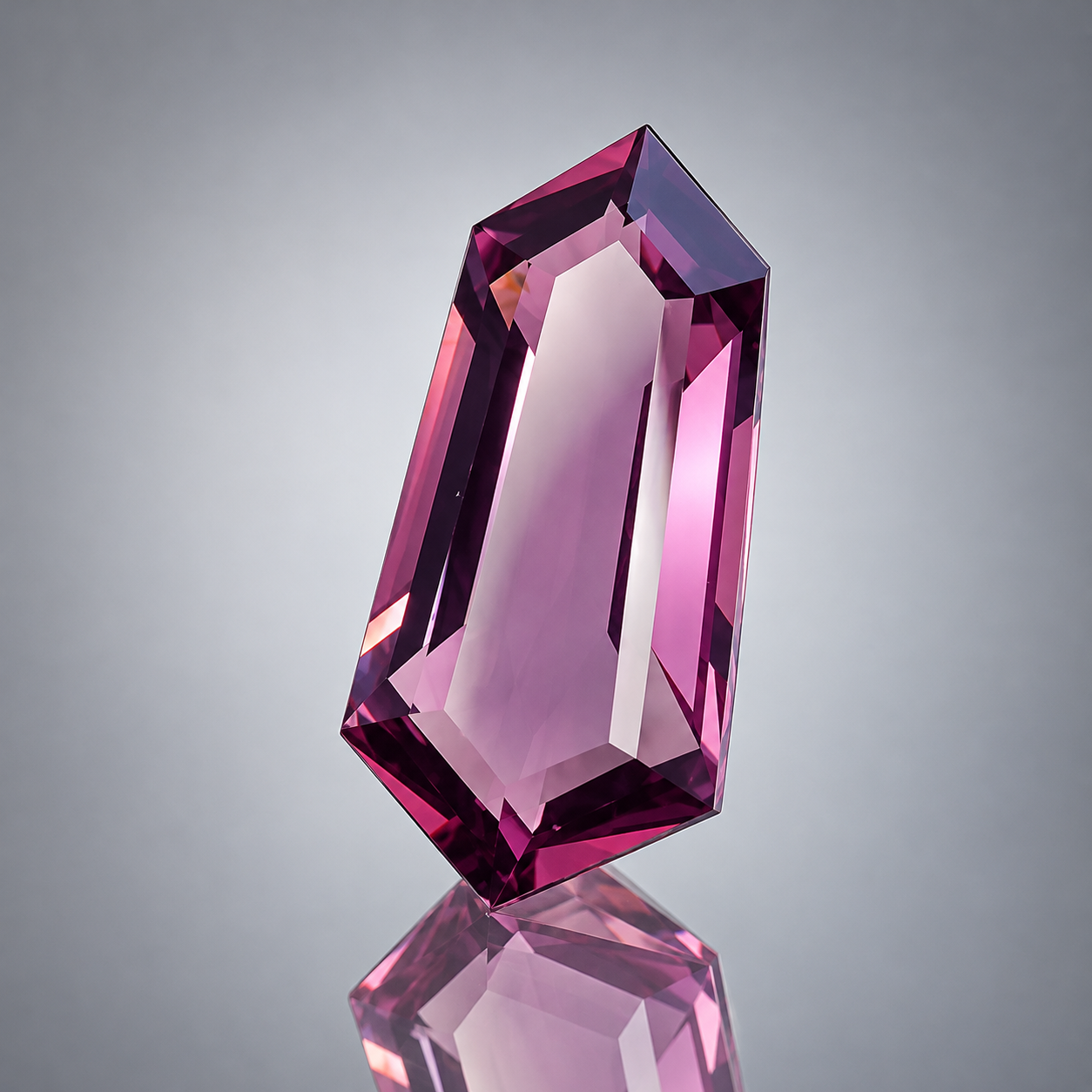
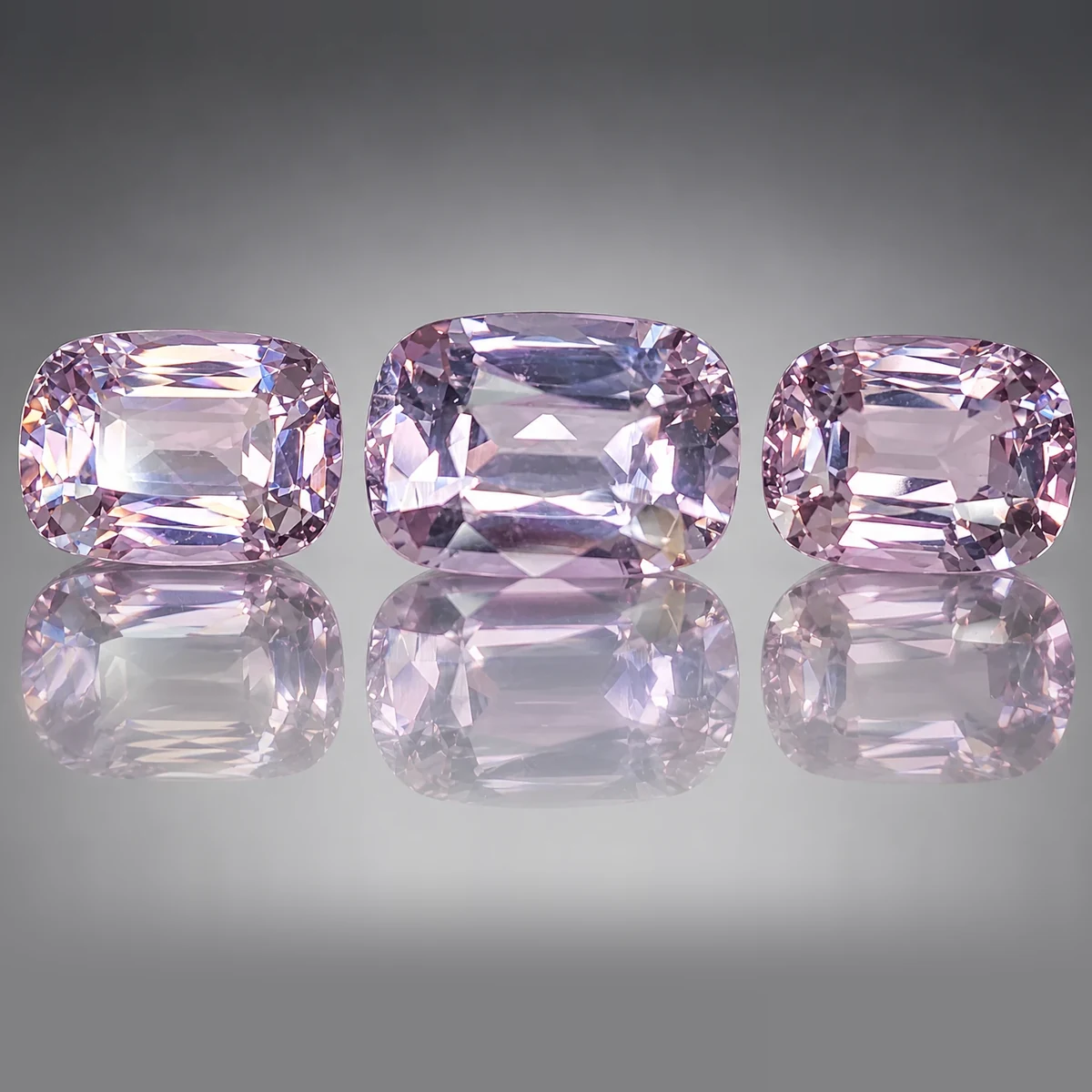
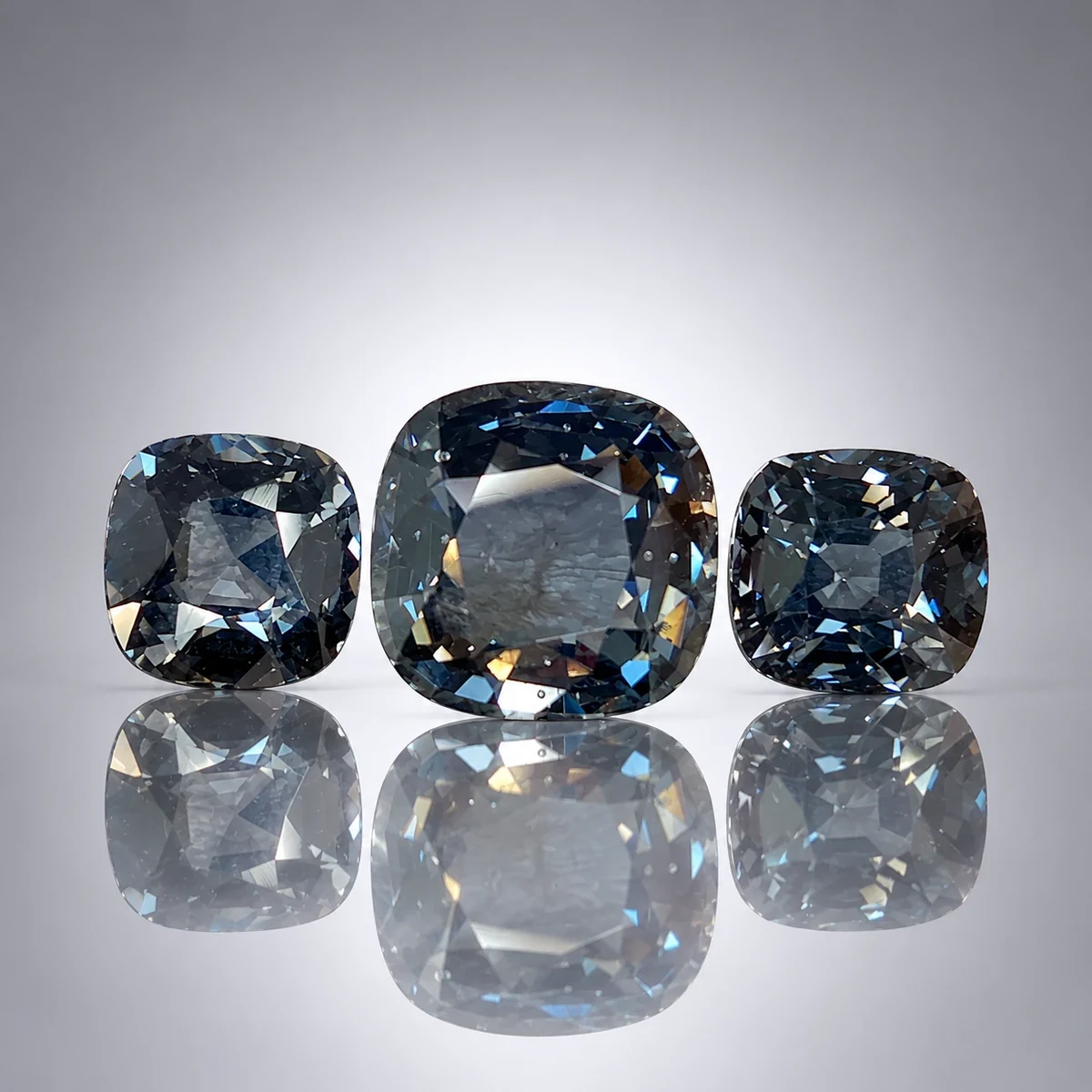
Spinel runs wider. IGS lists pink, lavender, red, red orange, purple, blue and black. It says colourless spinel is very rare in nature and that pure green and yellow spinels are not known to occur naturally.
IGS singles out the pinkish red Jedi spinels from Mogok and the neon pink stones from Mahenge and Mogoro in Tanzania. IGS notes strong red fluorescence in Mogok ruby, and GIA's 2026 study found that all of its red spinel fluoresced red under both long wave and short wave ultraviolet light.
Famous stones
IGS lists the Rosser Reeves Star Ruby of 138.7 carats at the Smithsonian and the Iran Crown Jewels, which hold 84 cabochons of up to 11 carats. It names the Black Prince's Ruby as a red spinel.
In its spinel entry IGS gives the size of the two best known spinels that carried a ruby name. The Black Prince's Ruby is an estimated 170 carats and the Timur Ruby is 352 carats. IGS adds that spinels over 100 carats were known in the past.
Size, price and what to choose
IGS says finished spinels over 5 carats are hard to find today, although stones over 100 carats existed in the past. It reports ruby records above one million US dollars per carat, with typical stones selling for a few hundred to a few thousand dollars per carat depending on size, colour, origin and treatment.
Choose ruby if you want the highest hardness and the classic name. Choose spinel if you want a stone that is seldom treated and easy to care for. Either way, ask for a laboratory report and read the treatment line.
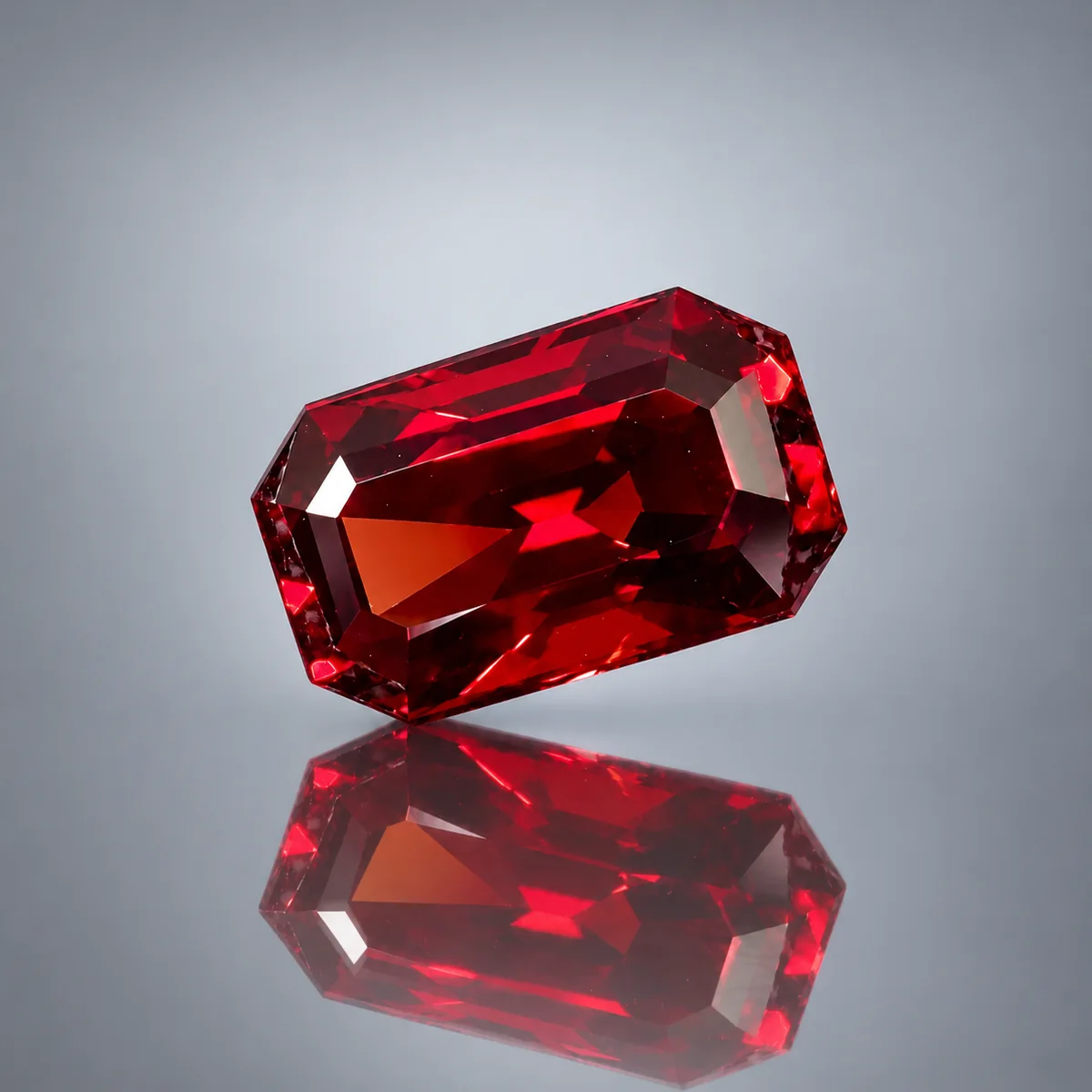
Our spinel stock includes a 2.66 ct red emerald cut from Mogok.
Looking for a stone like this?
We keep stock in Bangkok and answer questions about grading, treatment and price without pressure.

Join the conversation
Ask a question or share what you have seen. We read every comment and reply to the good questions.
Loading comments