
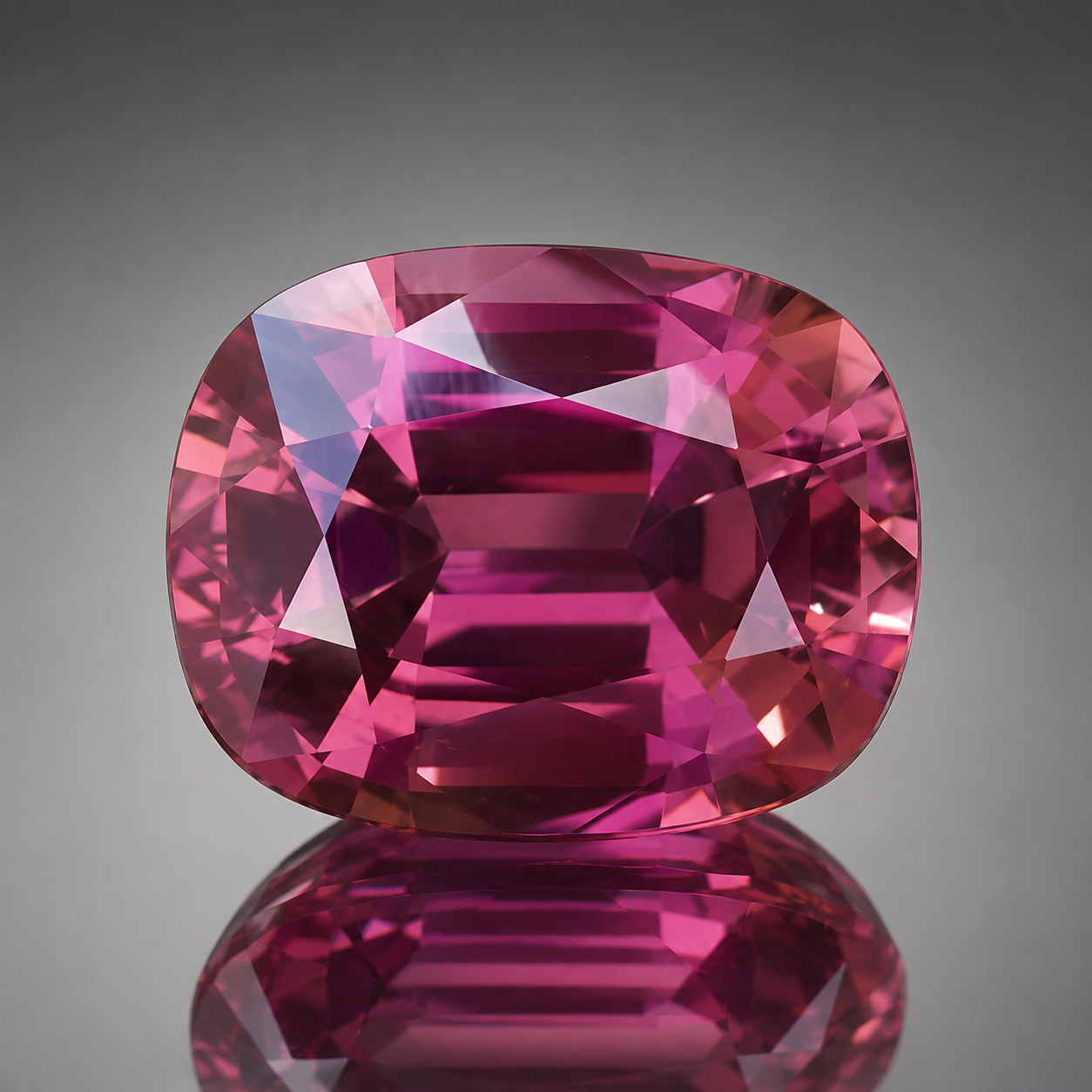
A family, not a single stone
IGS describes tourmaline as a mineral supergroup with three groups, several subgroups and more than thirty species. All share a trigonal crystal structure. Elbaite is the species behind most cut stones.
The name comes from the Singhalese word turamali, which IGS translates as mixed coloured stones. October is its birthstone month.
The variety names
The trade names tourmaline by colour. IGS gives these definitions.
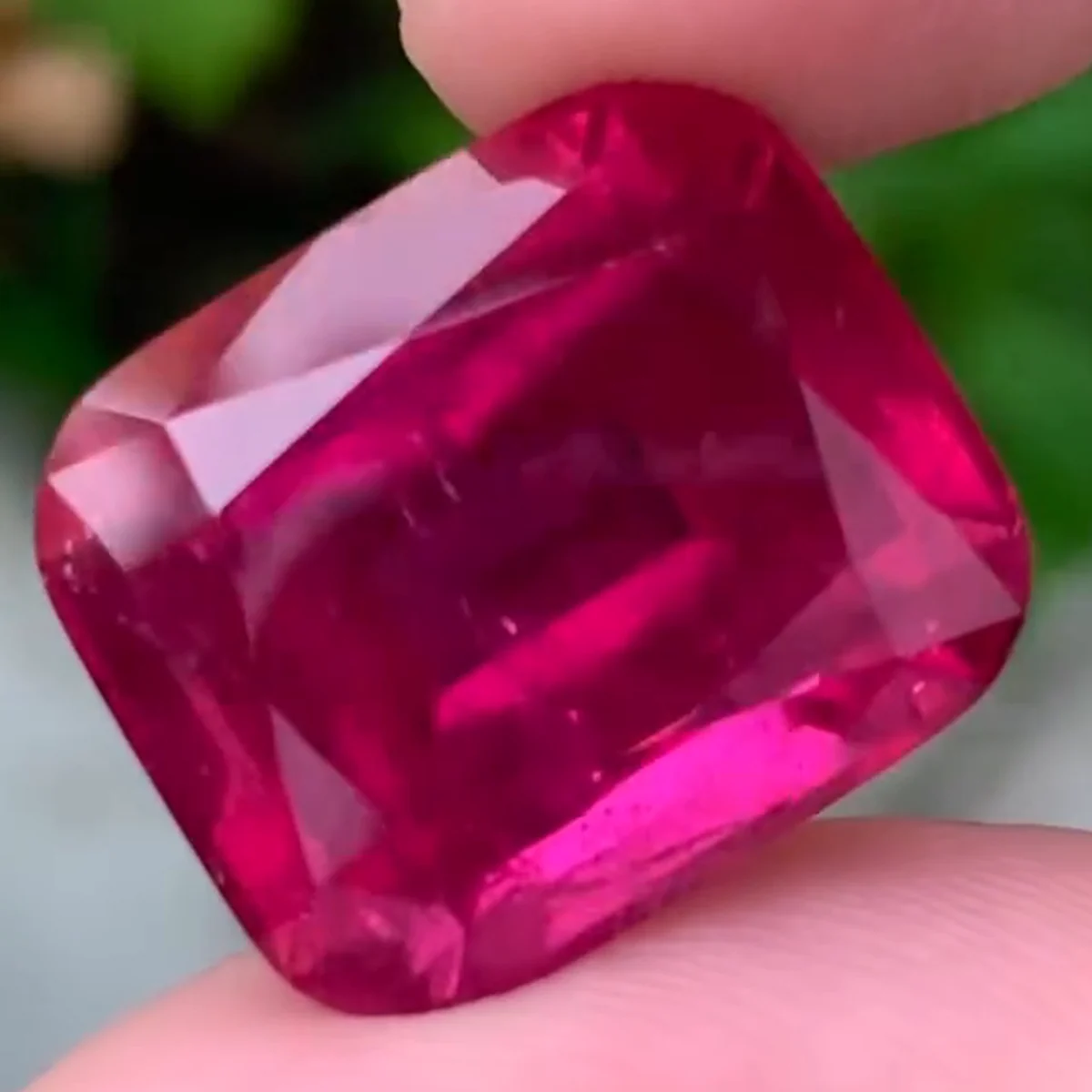
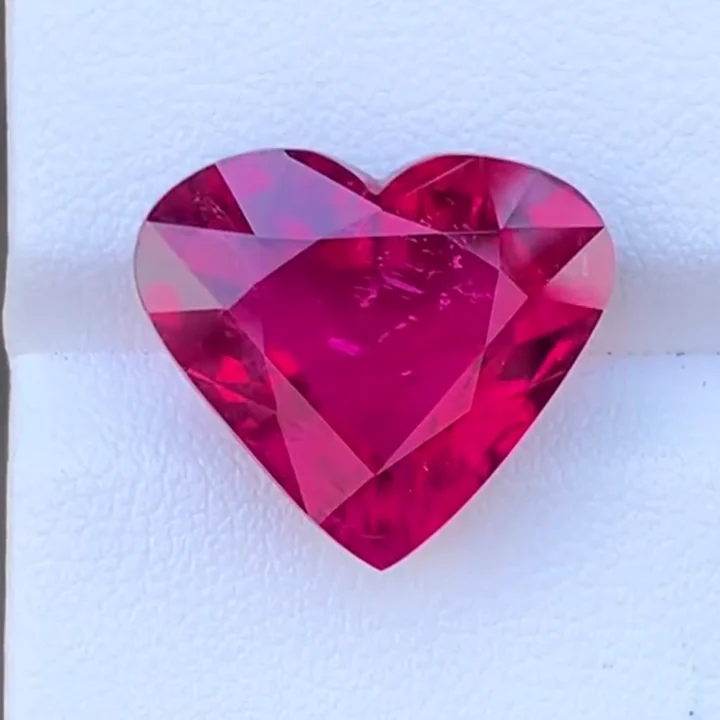
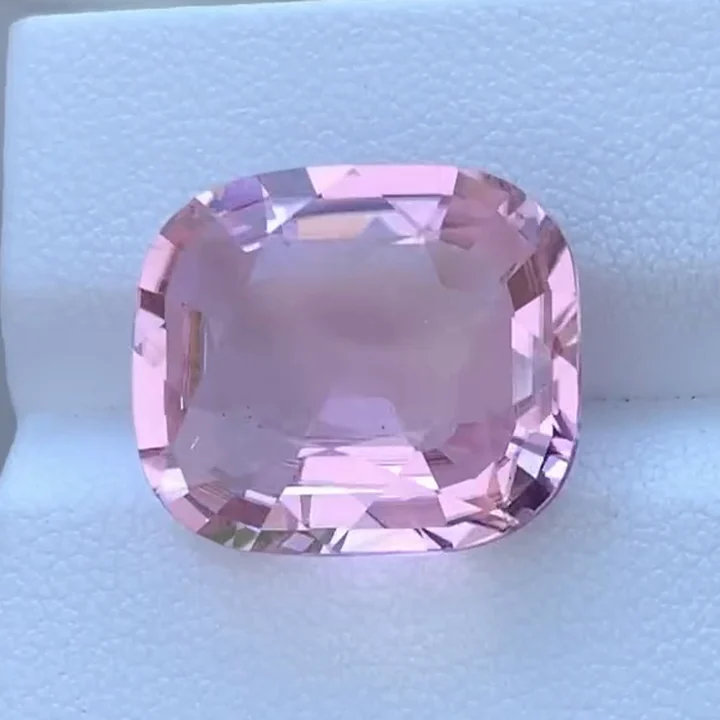
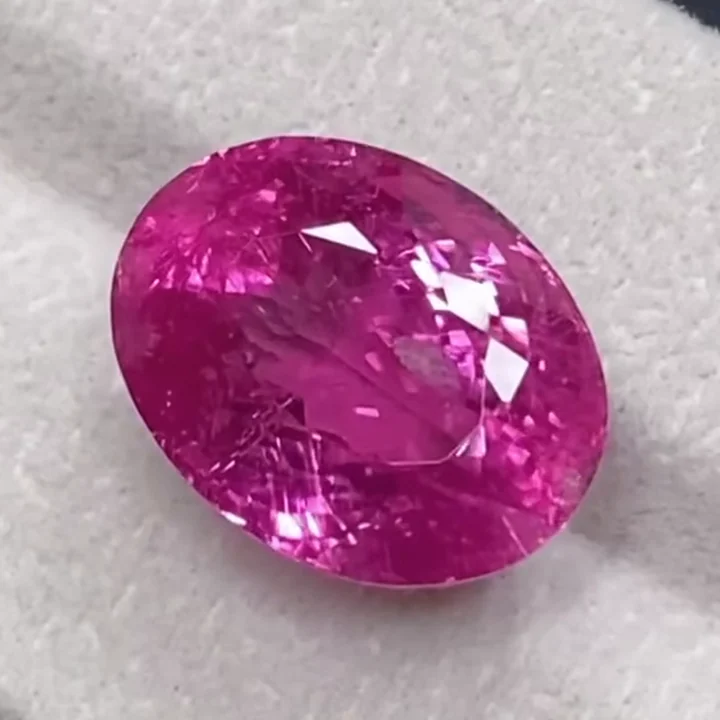
- Rubellite
- Saturated pink to red.
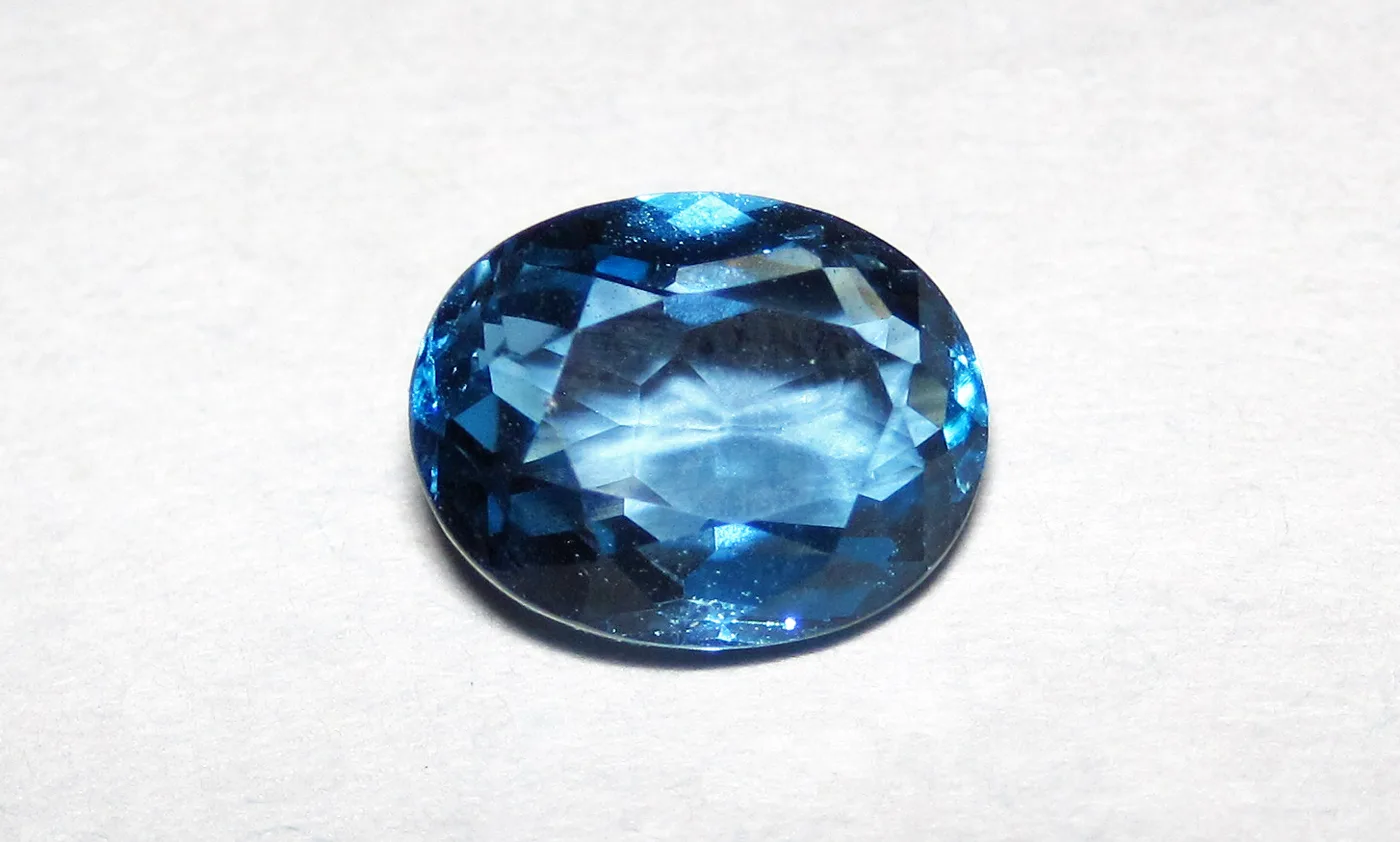
- Indicolite
- Blue, coloured by something other than copper.
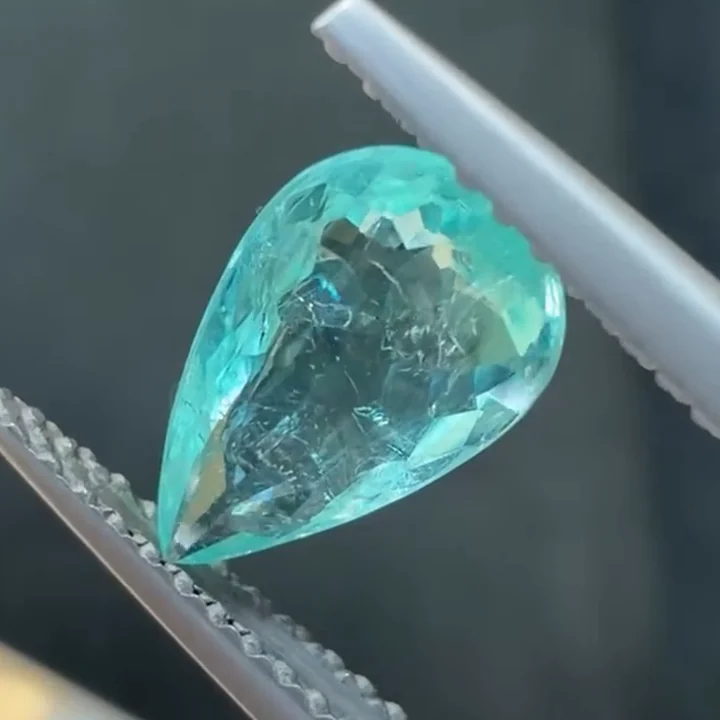
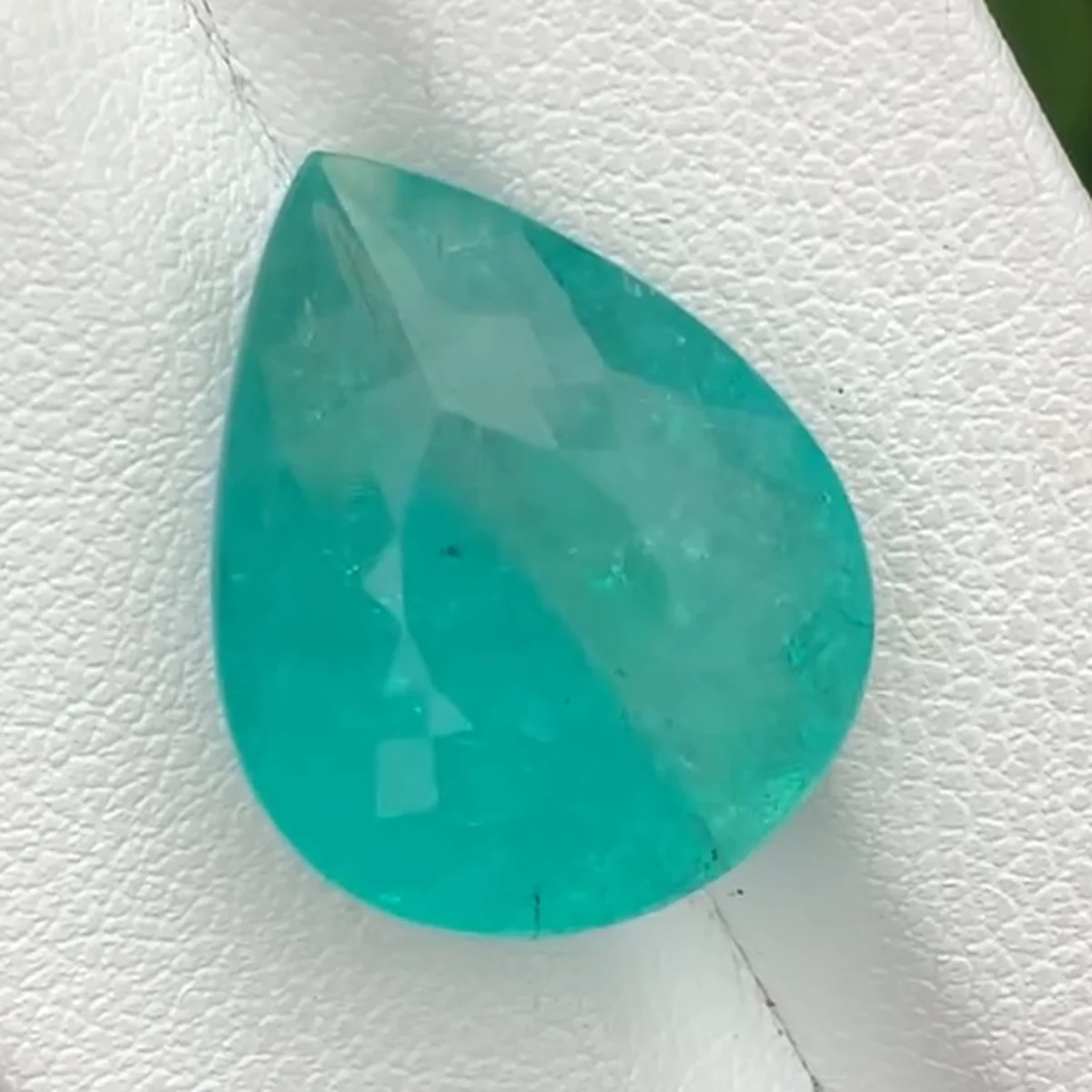
- Paraíba
- Neon blue, coloured by copper.
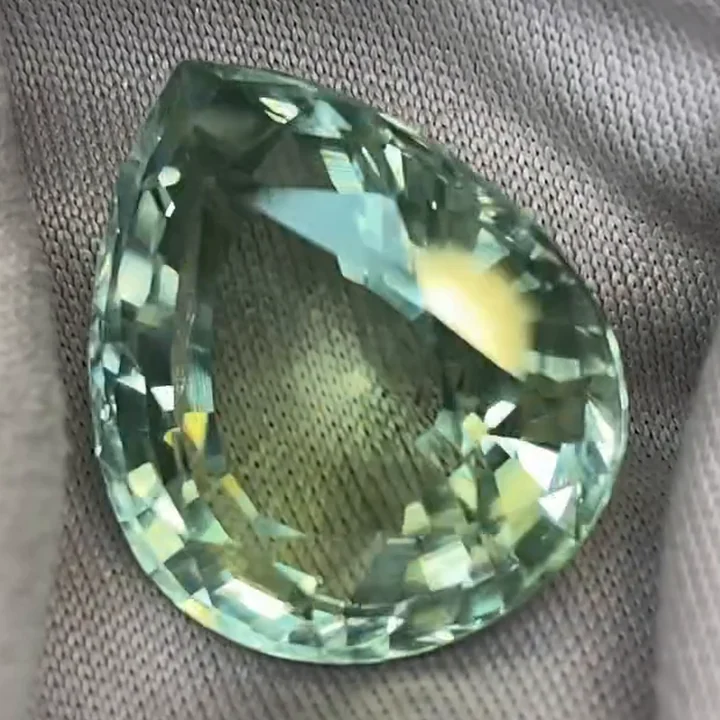
- Verdelite
- Green, without chromium or vanadium.
- Chrome tourmaline
- Deep green from chromium or vanadium.
- Achroite
- Colourless.
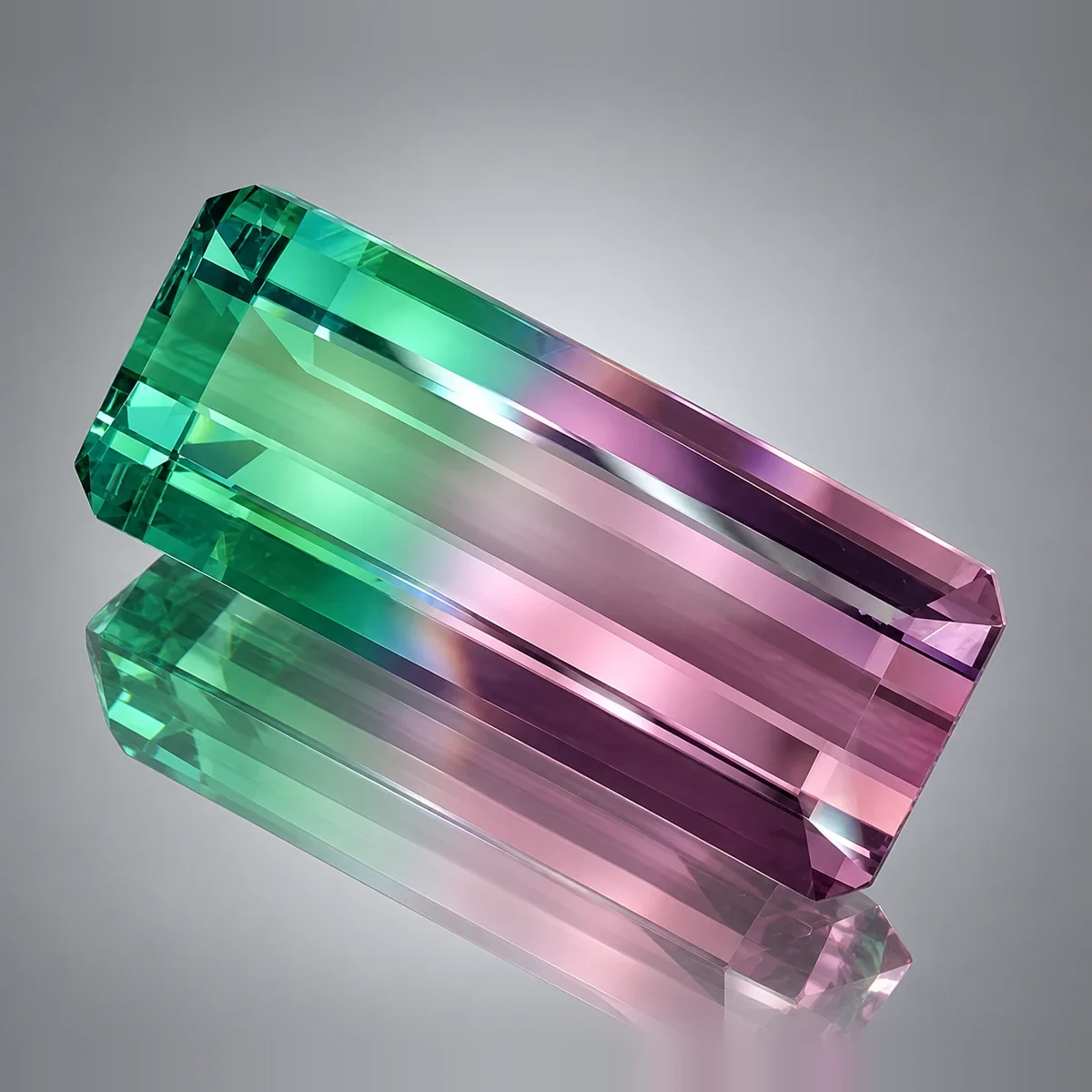
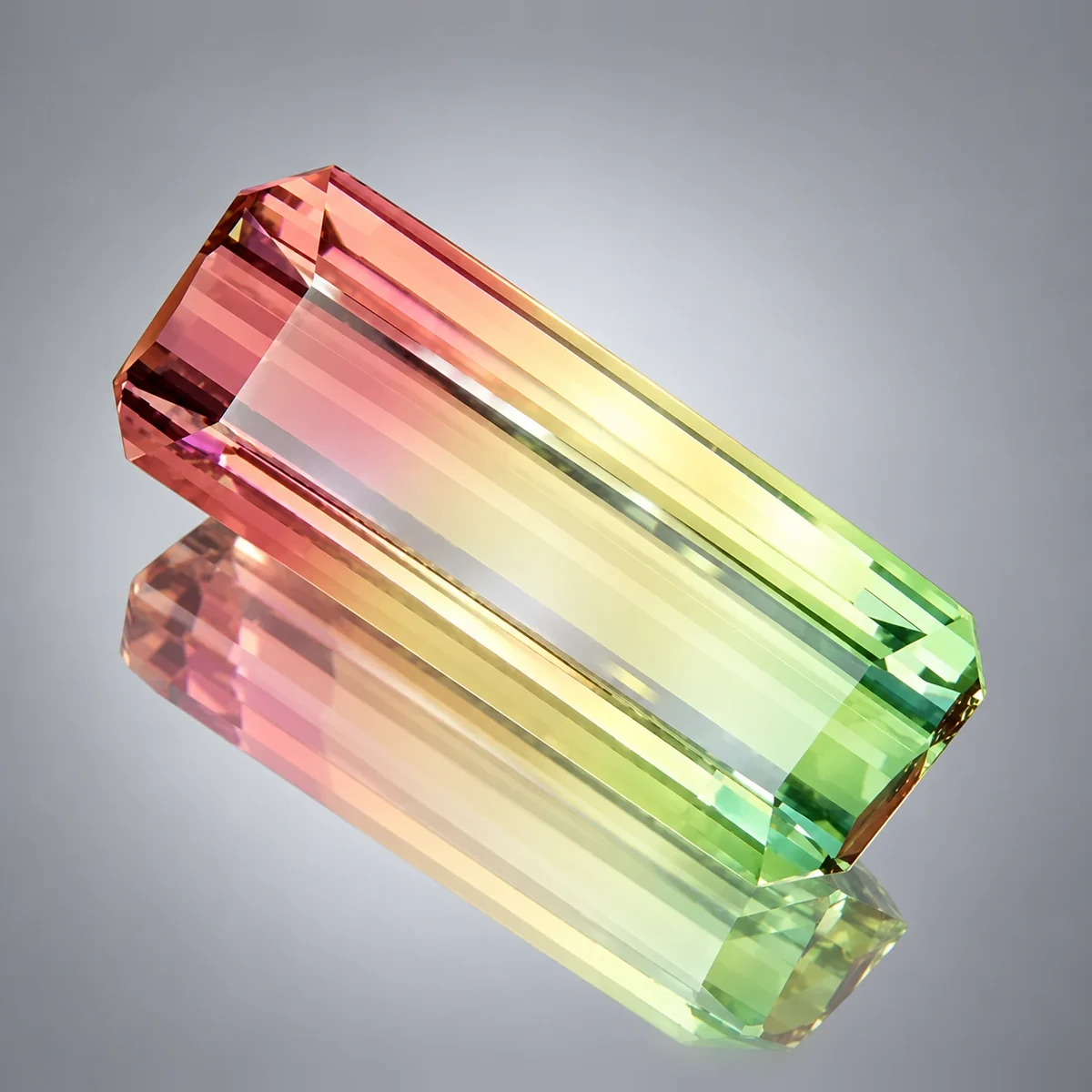
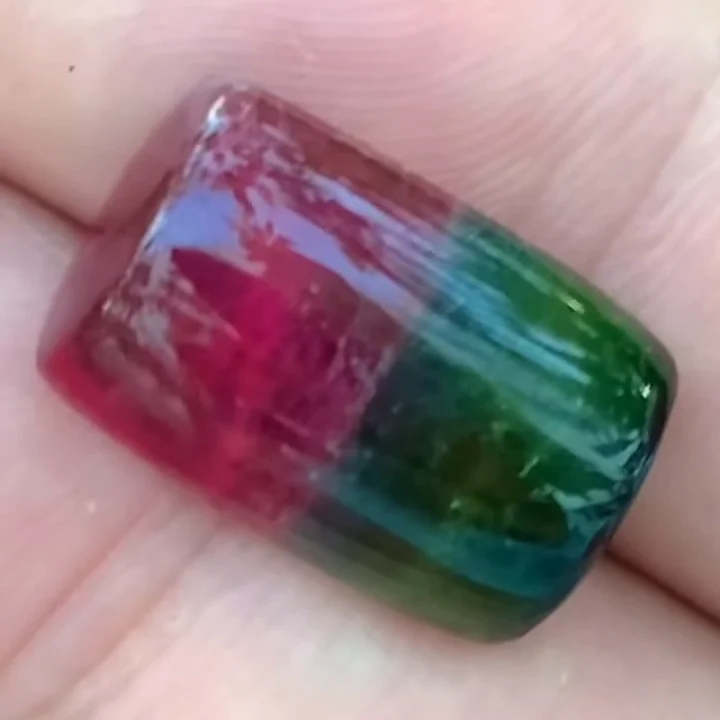
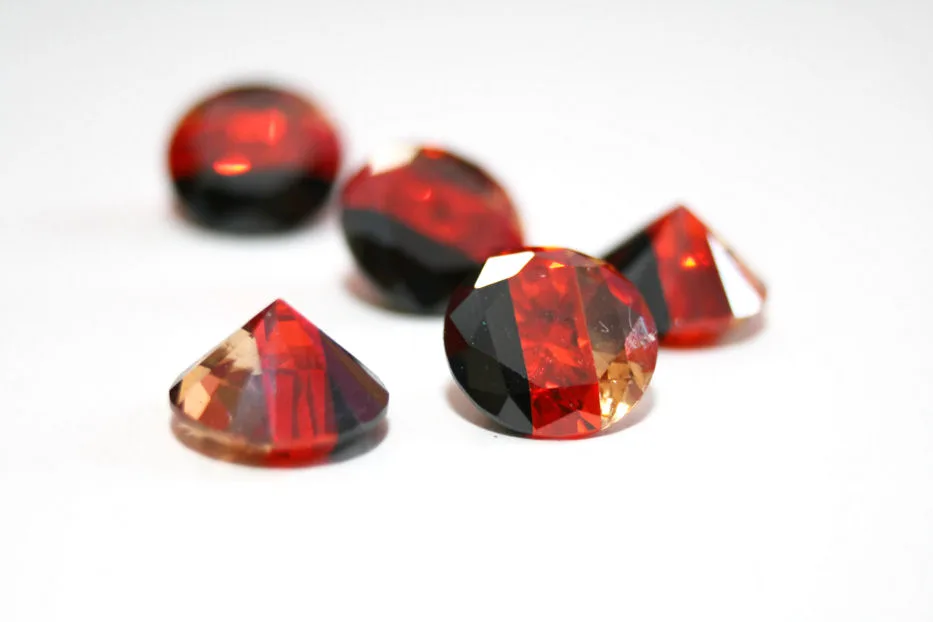
- Watermelon
- A pink or red core with a green rind.
GIA adds that manganese produces reds and pinks, that green and blue colours trace to iron and possibly titanium, and that copper causes the Paraíba colour.
Properties
Hardness runs from 7 to 7.5 with no cleavage and slight brittleness. Refractive index depends on the species and runs from 1.603 to 1.820. Birefringence ranges from 0.006 to 0.080 and is usually near 0.020. Dispersion is 0.017 and the optic sign is uniaxial negative.
Pleochroism is moderate to strong. IGS notes that colour looks deeper when you view the crystal along its length.
Where it comes from
IGS lists Brazil, Madagascar, Nigeria, Mozambique, Namibia, Tanzania, Afghanistan, Kenya, Zambia, Russia and the United States, with California and Maine named, as major producers.
Our stock draws on several of them. It includes a Nigerian fuchsia pink, Brazilian and Congolese bicolors, a Mozambican tricolor watermelon, Afghan and Mozambican rubellites and Mozambican paraiba.
Treatment and care
IGS lists heating, irradiation, acid bleaching and plastic or epoxy filling as treatments of tourmaline. It calls dyes and coatings usually unstable and not recommended. Our earlier article on rubellite covers heating and irradiation in detail.
Tourmaline resists everyday scratches. IGS notes that it attracts dust because it conducts electricity, so it needs a wipe more often than other stones. Because most tourmalines carry inclusions, IGS advises against ultrasonic and steam cleaning. Use a soft brush, mild detergent and warm water.
Looking for a stone like this?
We keep stock in Bangkok and answer questions about grading, treatment and price without pressure.

Join the conversation
Ask a question or share what you have seen. We read every comment and reply to the good questions.
Loading comments