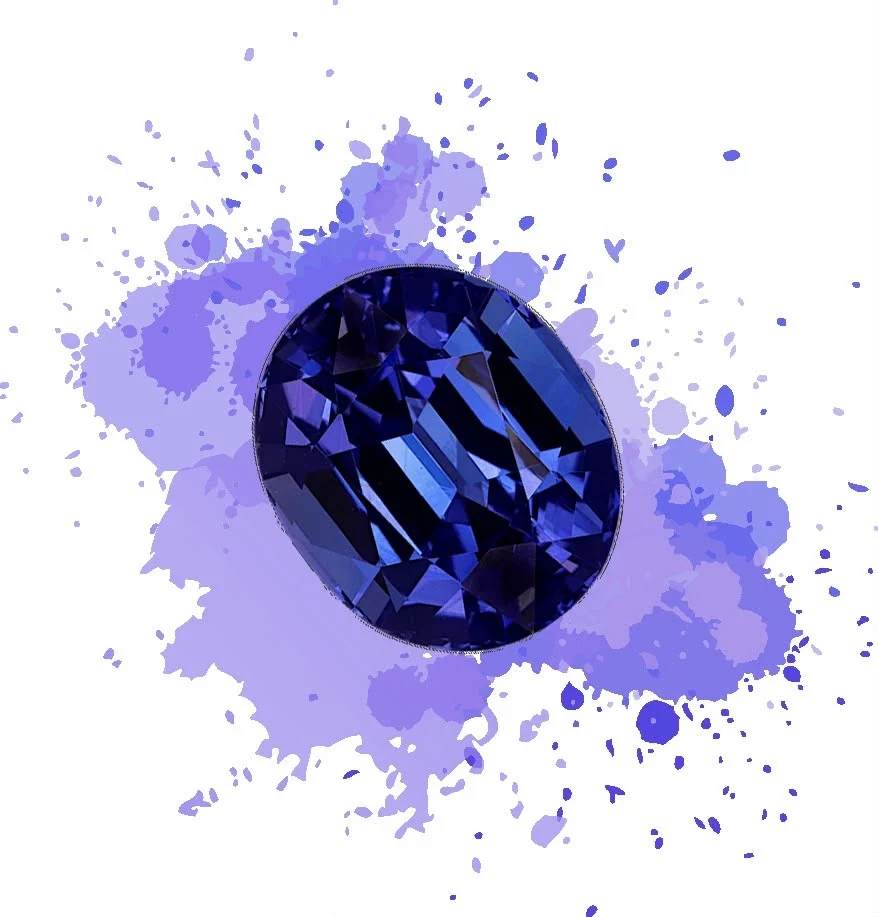
A blue that turned up in 1967
In January 1967, Jumanne Mhero Ngoma found blue violet crystals in the Merelani Hills of northern Tanzania. Nobody knew what they were. Early guesses said sapphire. Careful study showed something else. The crystals were a transparent variety of the mineral zoisite.
Tiffany and Company took on the stone in 1968. The mineral name, blue zoisite, did not sell. The company needed a name that buyers found easy to say and remember, so it named the gem after the country. Tanzanite was born, and Tiffany launched it with a large marketing push.
The gem grew fast from there. In 2002 the American Gem Trade Association named tanzanite a December birthstone. Today it sits among the most recognised coloured stones in the world.
One source, and why that matters
All commercial tanzanite comes from one area in the Simanjiro District of Tanzania. The mining zone measures roughly seven kilometres by two. Nobody has found a second deposit that produces gems in real quantity.
That single source shapes the market. Supply depends on one strip of ground, on the rules of one government and on the safety of deep shafts. In 2010 Tanzania banned the export of rough stones above one gram, so larger crystals now leave the country cut.
A single source also means one clear answer on origin. If a stone is real tanzanite, it came from Merelani. You never pay extra for origin, and you never need a lab to tell you where it was mined.
Why the crystals come out brown and turn blue
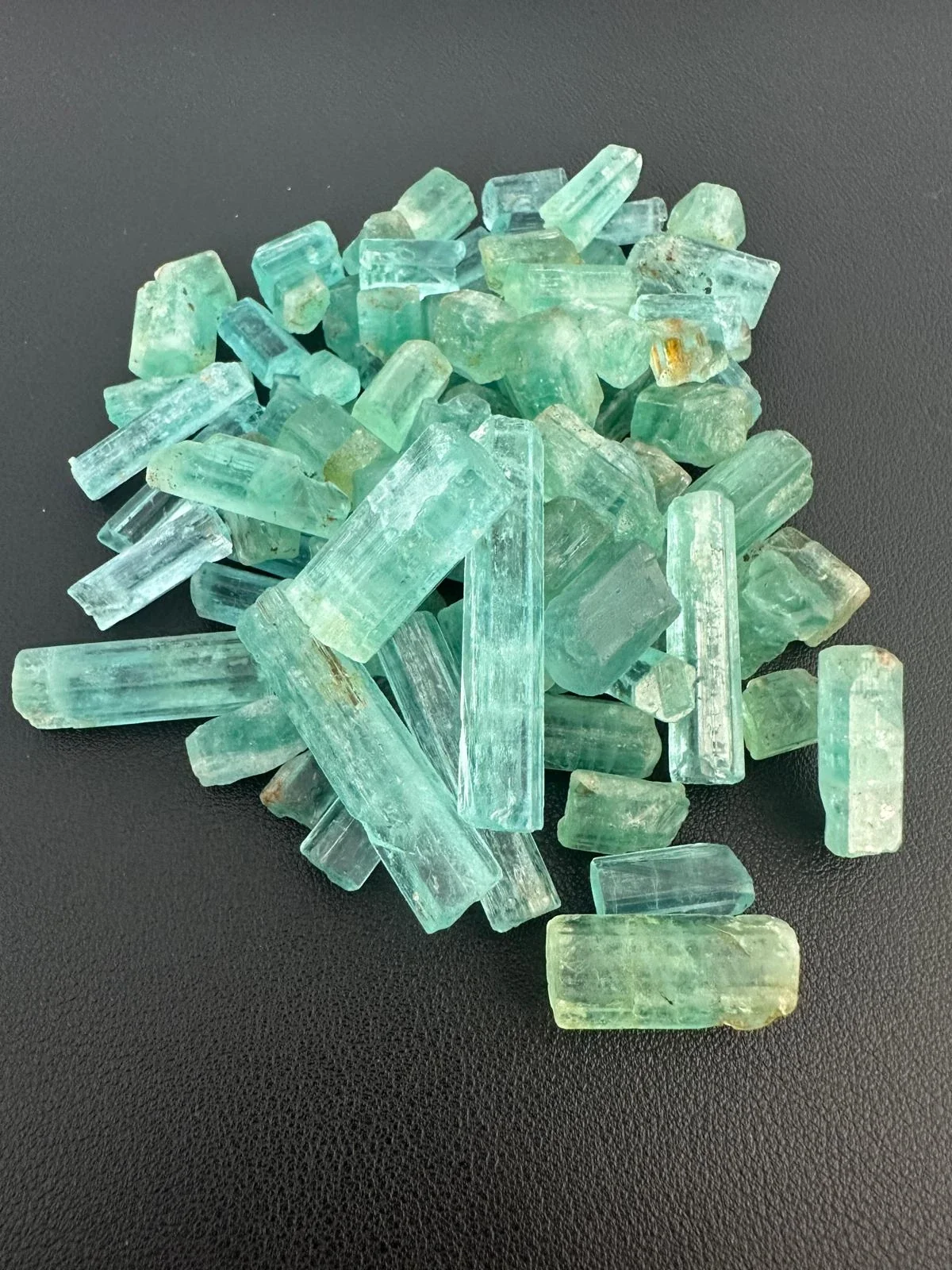
A tiny amount of vanadium gives tanzanite its colour. Raw crystals usually look brown or reddish brown. Look at one crystal from three directions and you see three colours, which are blue, violet and burgundy. Gemologists call this trichroism.
Heat changes that. Cutters and dealers warm the rough in an oven, and the brownish and reddish components disappear. The finished stone shows only blue and violet. GIA states that most blue tanzanite on the market owes its colour to heat.
Heating is permanent and accepted. It does not lower the price. Treat it as part of what tanzanite is, the way you treat heat in sapphire. A seller should still tell you. An unheated stone that shows the full brown, blue and violet range is a curiosity for collectors, not a buying standard.
How to read tanzanite colour
Colour sets the price. GIA names deep, saturated violet blue and blue violet as the most valuable colours. Use these points when you compare stones.
- Blue against violet
- Tanzanite always carries both. Some buyers want a bluer stone, others want more violet. Pick the balance you like and stay consistent when you compare prices.
- Tone
- A pale stone looks lavender. A very dark stone looks like ink. Medium to medium dark, with strong saturation, gives the best mix of colour and life.
- Size
- Colour deepens with size. A one carat stone from a crystal looks paler than a five carat stone from the same crystal. Do not compare colour across sizes without allowing for this.
- Light
- Many stones look bluer in daylight and more violet under a warm bulb. Check the stone under both. Screens push tanzanite toward blue, so ask for daylight video.
Cut. Where the value is made or lost
Tanzanite shows strong pleochroism, so the direction of the cut controls the colour. A cutter studies the rough first and turns it until the table faces the best blue and violet. A poor angle leaves the stone flat or grey brown, even after heating.
Many cutters build colour with a deep pavilion. That works, but too much depth hides weight in the base. Check the millimetre measurements. If the depth is close to the width, you pay for weight you cannot see.
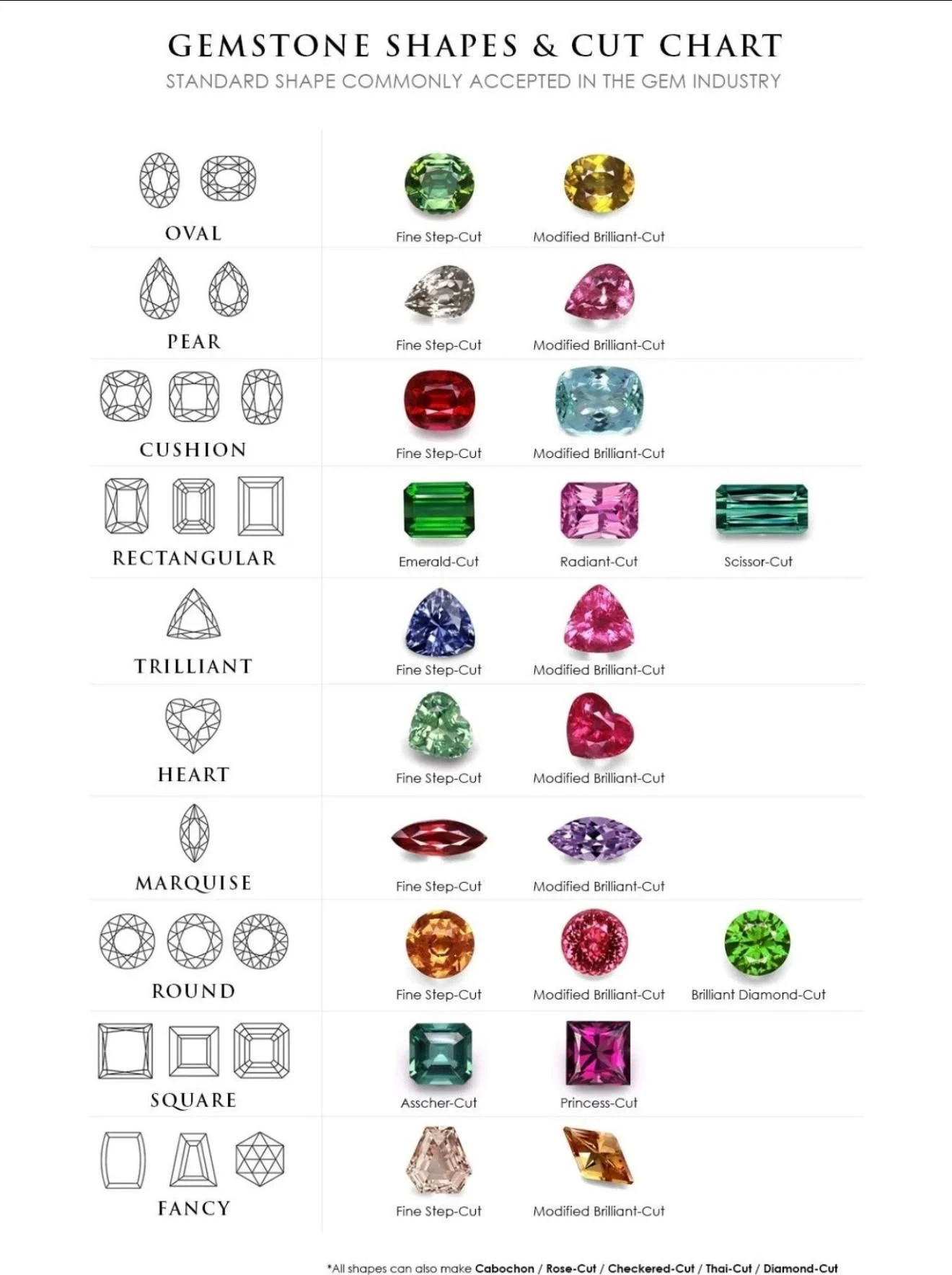
Ovals and cushions dominate. They save rough and hold colour well. Step cuts such as the emerald cut show clean, deep colour and suit strong crystals. Look for an even colour across the face, no pale window in the middle and no large dark patch when you tilt the stone.
Clarity and size
Tanzanite belongs to GIA's type one group. Buyers expect a clean stone. Visible inclusions cost real money, and a stone that looks clean under a loupe costs more than one with a cloud you can see.
Large clean stones come out of Merelani more often than they do in ruby or spinel. You can find fine tanzanite at five, ten or twenty carats. That makes the gem a good choice if you want a big stone, and it explains why price per carat rises with size rather than exploding.
Hardness, care and where to wear it
Tanzanite rates 6.5 on the Mohs scale. Sapphire rates 9. Ordinary dust contains quartz at 7, so tanzanite picks up scratches from daily wear. It also has perfect cleavage in one direction, which means a hard knock chips it.
Earrings and pendants suit tanzanite best because they see little impact. A ring works if you choose a protective setting, such as a bezel or a halo, and wear it with care. Take the stone off before gardening, cleaning or exercise.
- Clean it
- Use warm water, mild soap and a soft brush. Skip ultrasonic cleaners and steam. Vibration and sudden heat stress the stone.
- Store it
- Keep it in a soft pouch away from harder gems. Diamond and sapphire scratch it.
- Repair it
- Tell any jeweller the stone is tanzanite before resizing or repairs. Remove the stone before a torch goes near the ring.
Tanzanite compared with other blue and violet stones
Buyers usually compare tanzanite with four stones. Each comparison shows what you gain and what you give up.
- Blue sapphire
- Sapphire rates 9 on the Mohs scale and tanzanite rates 6.5. Sapphire survives daily wear in a ring. Tanzanite does not. In return, tanzanite shows a violet flash that sapphire lacks, and it costs far less at large sizes.
- Iolite
- Iolite also shows violet blue and strong pleochroism. It costs much less and looks softer in colour. Some people call it water sapphire. Tanzanite has deeper saturation and more life.
- Amethyst
- Amethyst is purple, not blue violet, and it costs a fraction of tanzanite. It rates 7, so it also wears better. Tanzanite wins on the blue.
- Blue spinel
- Spinel rates 8 and resists wear. Fine cobalt blue spinel costs more than most tanzanite. Spinel looks steel or cobalt blue, without the violet.
If you want a stone for a ring that you wear every day, choose sapphire or spinel. If you want the richest violet blue at a large size and you plan to wear it on occasions, choose tanzanite.
Mining, grading and the trade
Miners reach tanzanite through narrow shafts that run deep underground. Larger operators, such as TanzaniteOne on Block C, work alongside small scale miners. The Tanzanite Foundation, a trade body, sets its own grading standards.
Grading in the trade rests on colour first. Cutters and dealers sort stones by how strongly blue or violet they look, then by tone and clarity. Each firm keeps its own scale, so compare the description to the photograph and the video, not to the letters.
Words such as commercial grade and top quality carry no legal meaning. Ask what the seller means and ask to see the stone in daylight.
Price and how to buy
Good tanzanite generally retails from about 100 to 800 US dollars per carat. Top colours and larger sizes sit above that. Saturation sets the price first, then size, then cut quality.
You will see letter grades such as AAA, AA and A. No single standard sits behind them. The letters mean whatever the seller decides, so ignore the grade and judge the stone.
Glass and synthetic forsterite are sold as tanzanite. A basic test with a dichroscope shows two colours in real tanzanite and helps a gemologist separate it from imitations. For any stone above a few carats, ask for a report that confirms the species.
- Ask about heat
- Expect a yes. Get it in writing.
- Ask for measurements
- Length, width and depth in millimetres.
- Ask for daylight video
- Watch the colour under a window, not under shop lights.
- Ask about the return terms
- A fair seller lets you test the stone independently.
Questions buyers ask
- Is tanzanite rarer than diamond?
- GIA says yes, because miners work only one place on earth and no second deposit has turned up. Rarity of source and price are different things. Fine tanzanite costs far less than fine diamond.
- Does the colour fade?
- No. The heat treatment is permanent and the colour holds in normal light. Keep the stone away from torches and very hot water.
- Is tanzanite a good investment?
- Buy it because you love the colour. Prices move with supply and fashion, and no gem carries a guaranteed return. Resale depends on colour, size and the report that comes with the stone.
- What size should I choose?
- Pick the size that fits how you will wear it. Colour looks deeper in larger stones, so a two or three carat stone often looks richer than a one carat stone at a similar price per carat.
Looking for a stone like this?
We keep stock in Bangkok and answer questions about grading, treatment and price without pressure.

Join the conversation
Ask a question or share what you have seen. We read every comment and reply to the good questions.
Loading comments