
The rule on treatments
The FTC publishes Guides for the Jewelry, Precious Metals and Pewter Industries. Section 23.24 covers gemstone treatments. It calls it unfair or deceptive not to disclose a treatment in three cases.
The first case is a treatment that is not permanent. The second is a treatment that creates special care requirements, and the guide recommends passing those requirements to the buyer. The third is a treatment that significantly affects the value of the stone.
The disclosure applies to sellers at every level of trade. A seller can make it at the point of sale before the purchase. For products bought without viewing them, such as online sales, the disclosure belongs in the product description.
How common treatments measure up
IGS describes each treatment in its stone guides. Set against the three cases above, the usual ones look like this.
- Tanzanite heating
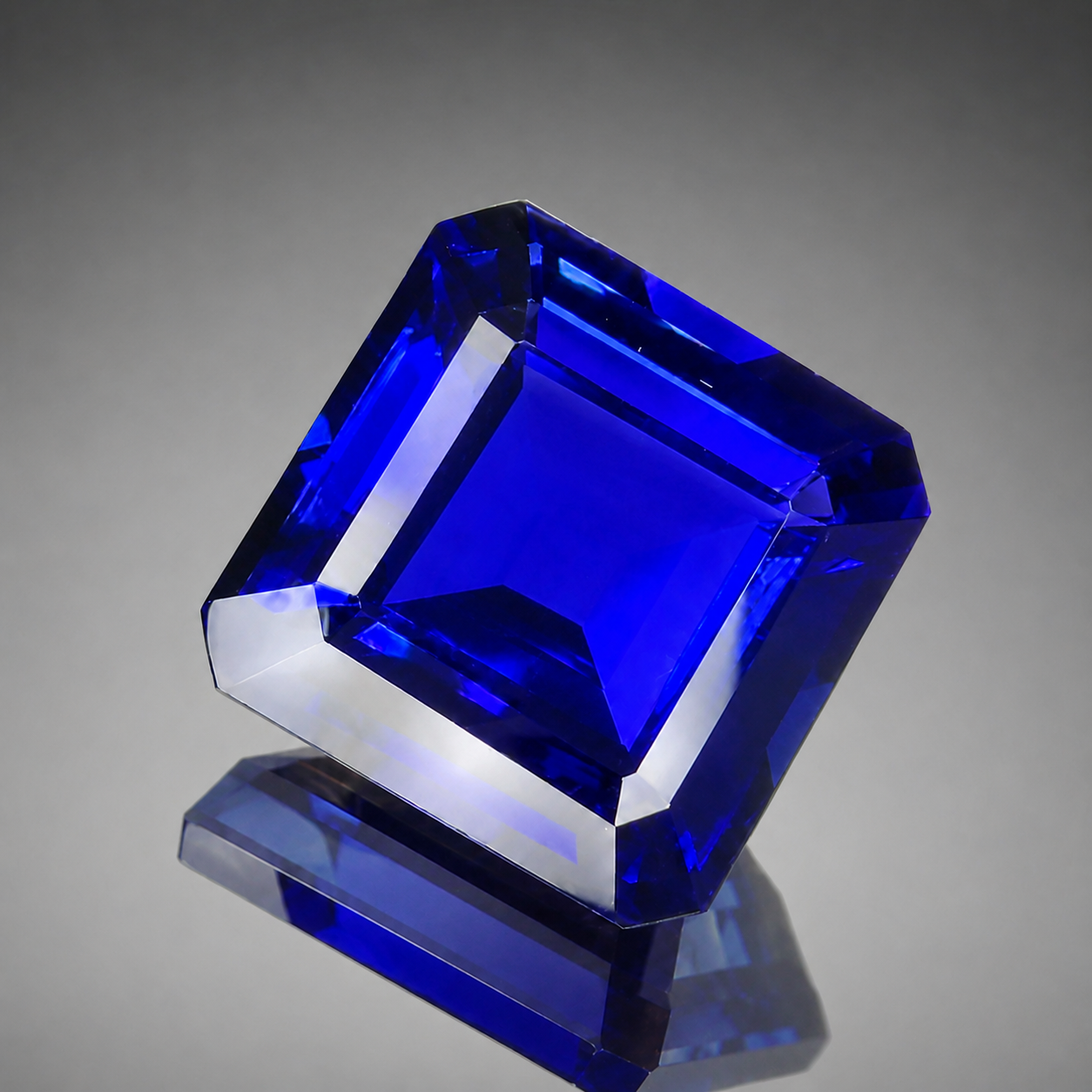
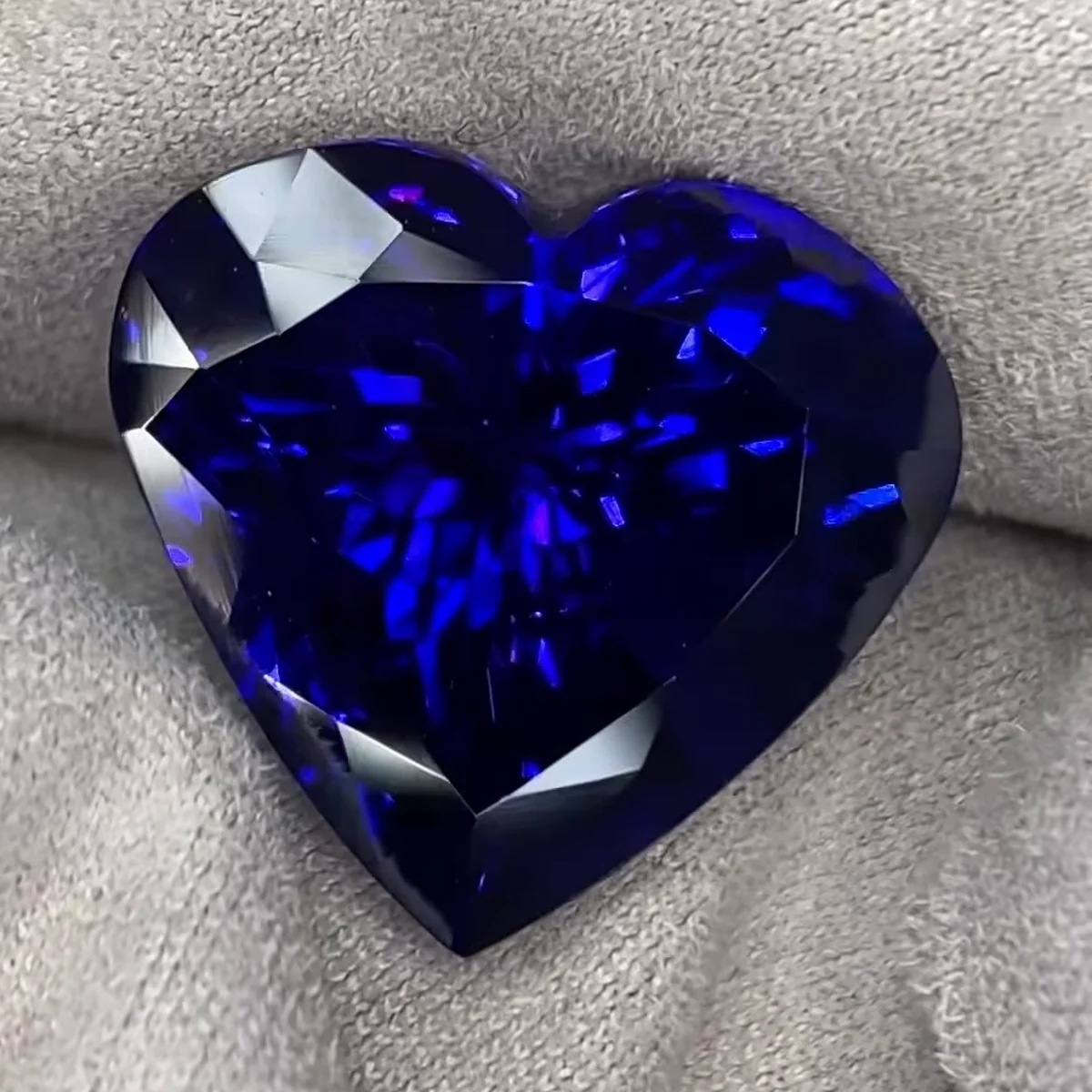
- IGS says tanzanite is naturally reddish brown and nearly all of it is heated to roughly 500 to 600 degrees Celsius to reach blue or violet. IGS calls the result stable. The treatment matters to value because it creates the colour.
- Blue topaz
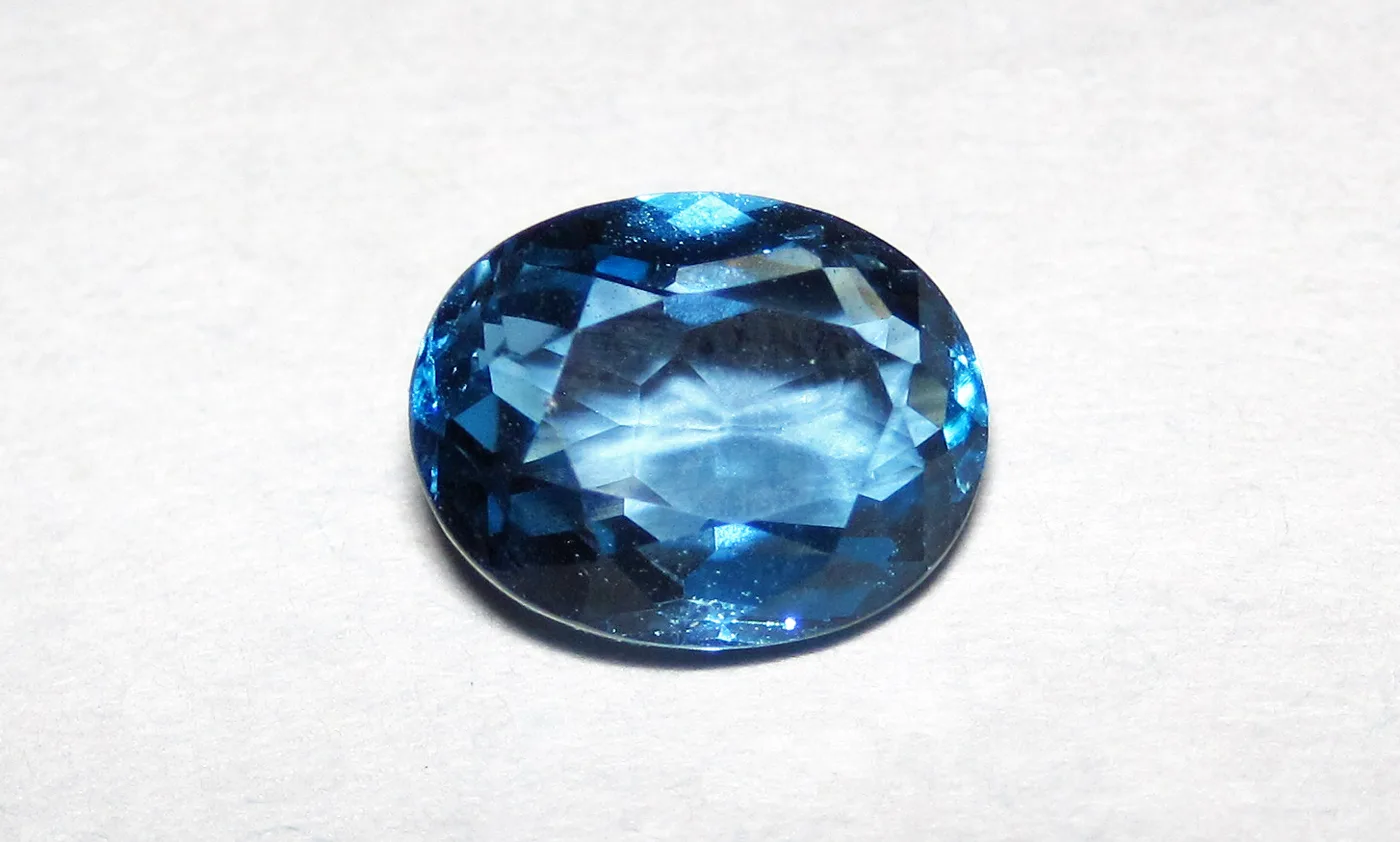
- IGS says blue topaz comes from irradiating colourless or pale stones and then heating them. The result is stable and hard to tell from natural blue. GIA states that blue topaz is rarely natural.
- Mystic topaz
- IGS says the multicoloured surface is a coating applied by chemical vapour deposition. It scratches easily, which makes it a special care case.
- Filled rubellite
- IGS reports fracture filling in highly included rubellite and notes that inclusions and fillers make some stones sensitive to heat. That puts a filled stone in the special care case.
- Spinel
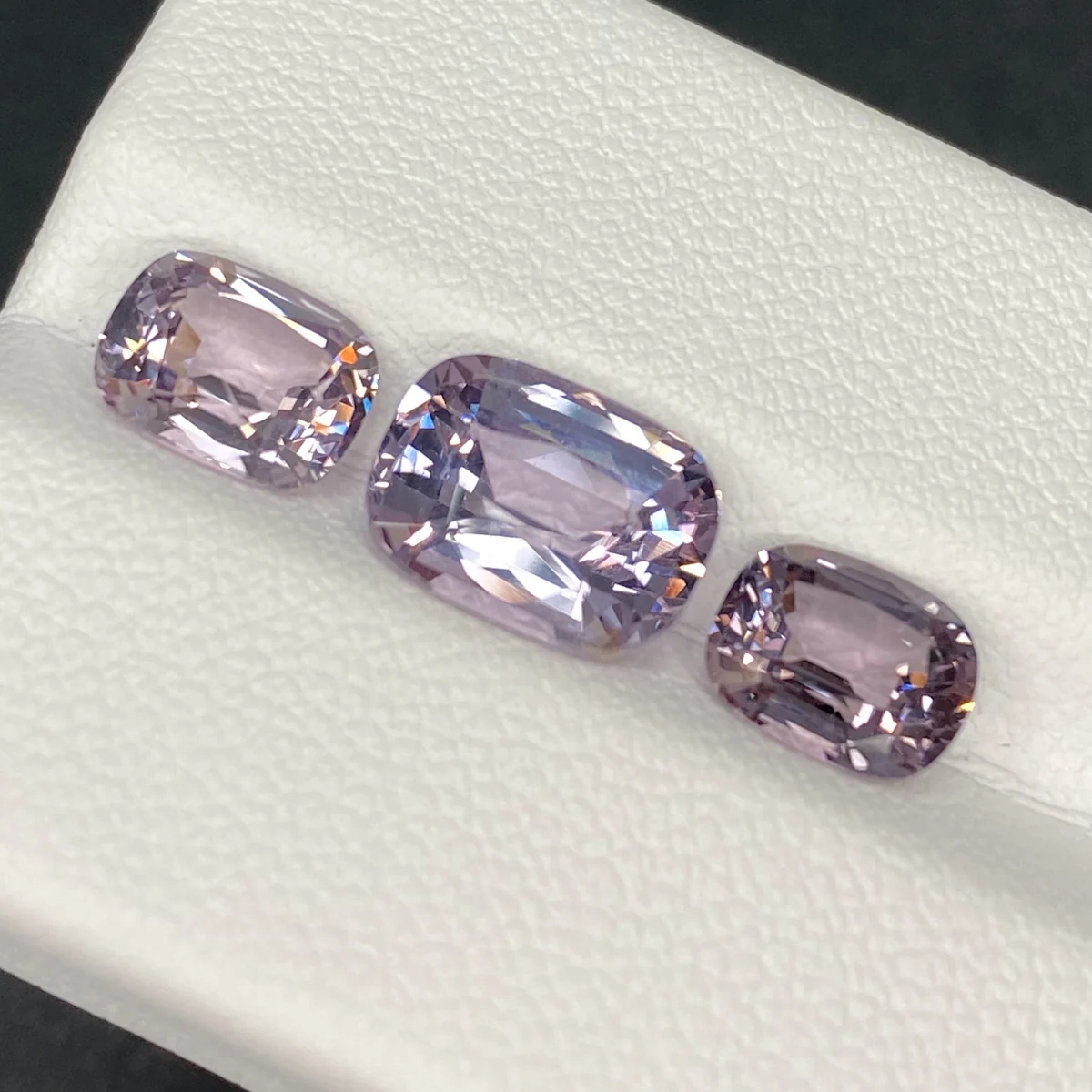
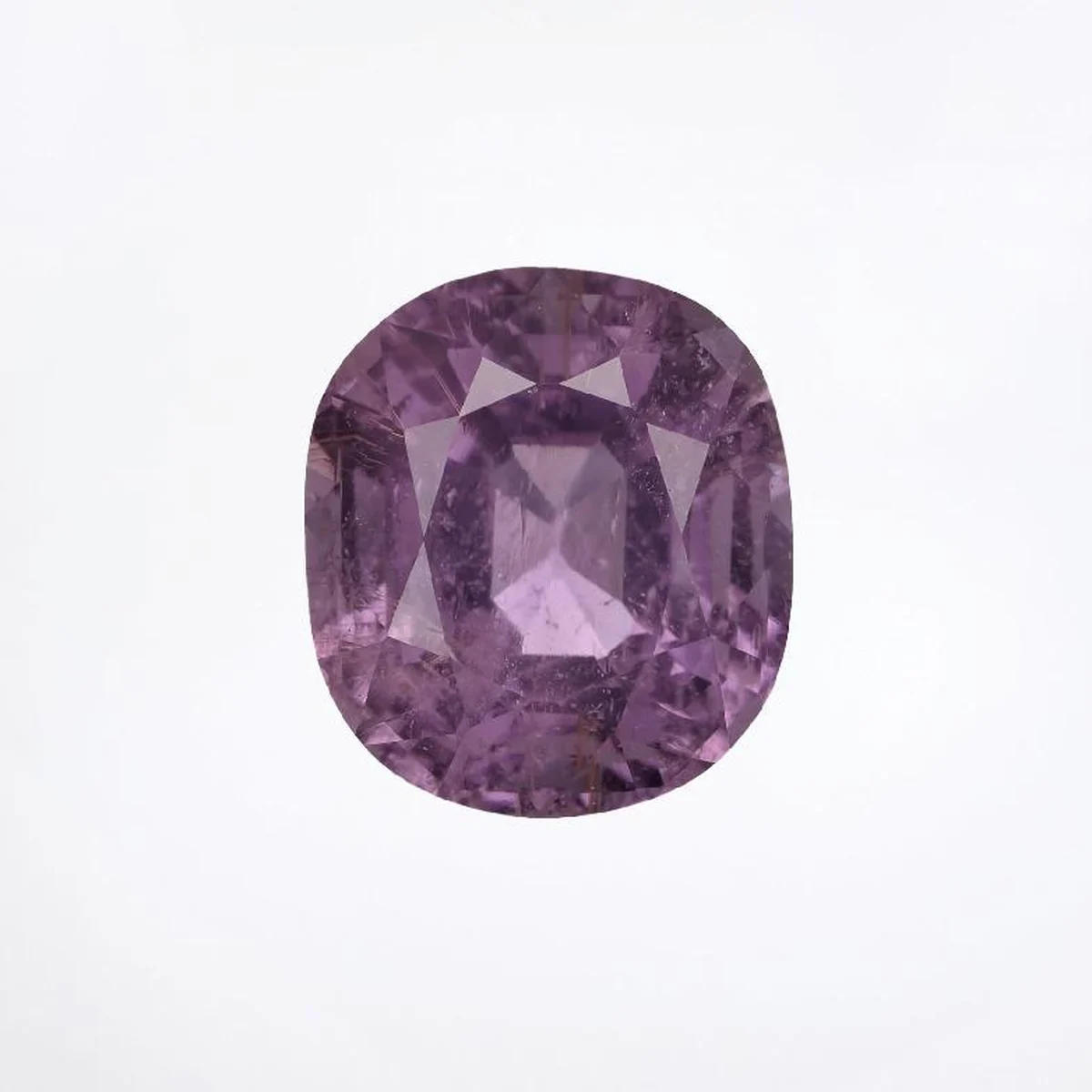
- IGS says natural spinel is seldom treated. It notes that heating does not reliably improve colour and that filling for clarity is rare and not permanent.
The rule on names
Section 23.25 covers what a seller is allowed to call a stone. A stone name such as ruby, sapphire, emerald or topaz used without a qualifier means a mined stone of that type.
A laboratory grown, synthetic, imitation or simulated stone needs a clear qualifier placed immediately before the name or the word gem, in type of equal prominence. The guide states that the word faux does not meet the standard. Products made from gem material with fillers or binders, such as lead glass, cannot carry an unqualified stone name either.
This is why our article on glass ceramic imitations matters. A seller who sells one of those stones under a bare name such as spinel or ruby runs against section 23.25.
What to look for in a listing
A good listing names the stone and the variety, gives the weight and origin and states the treatment in its own line. Where a laboratory report exists, the listing should show it.
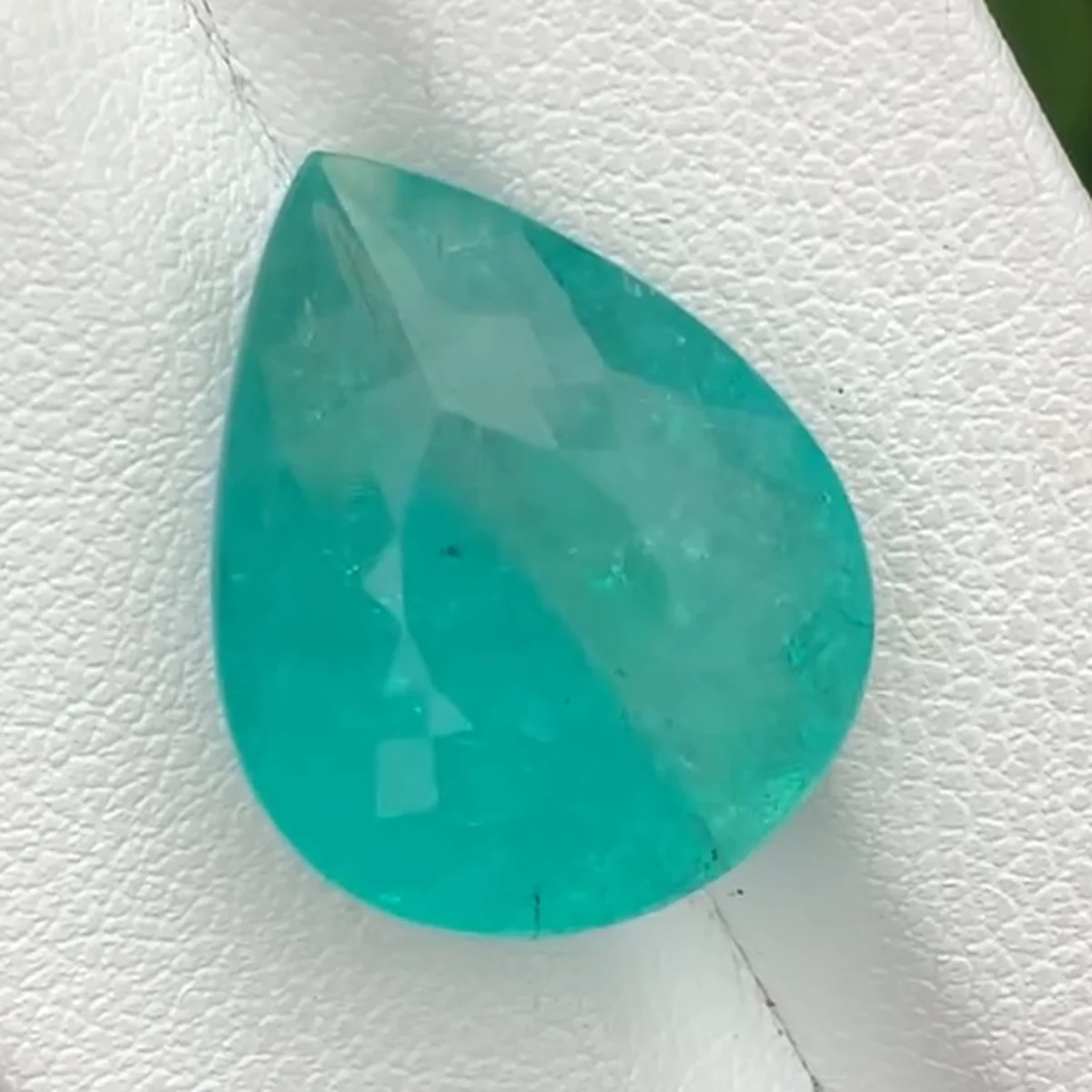
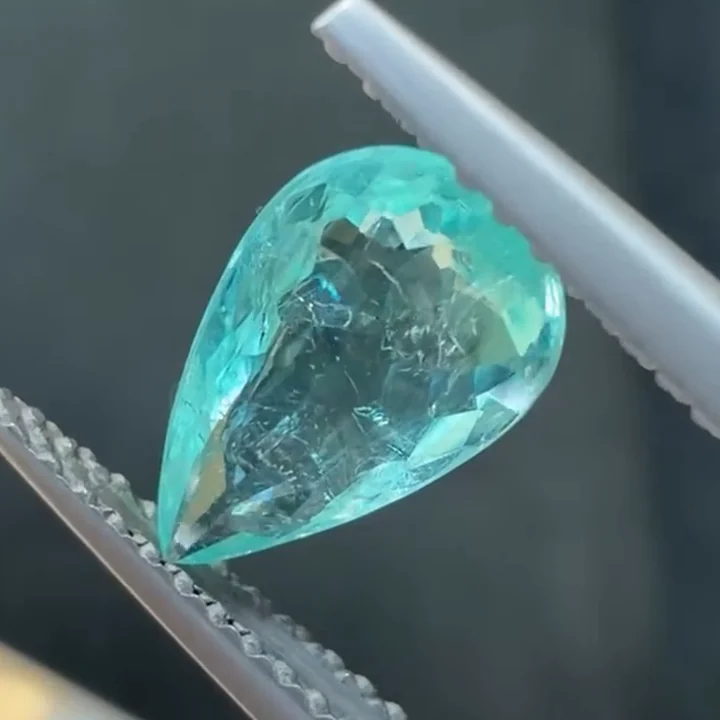
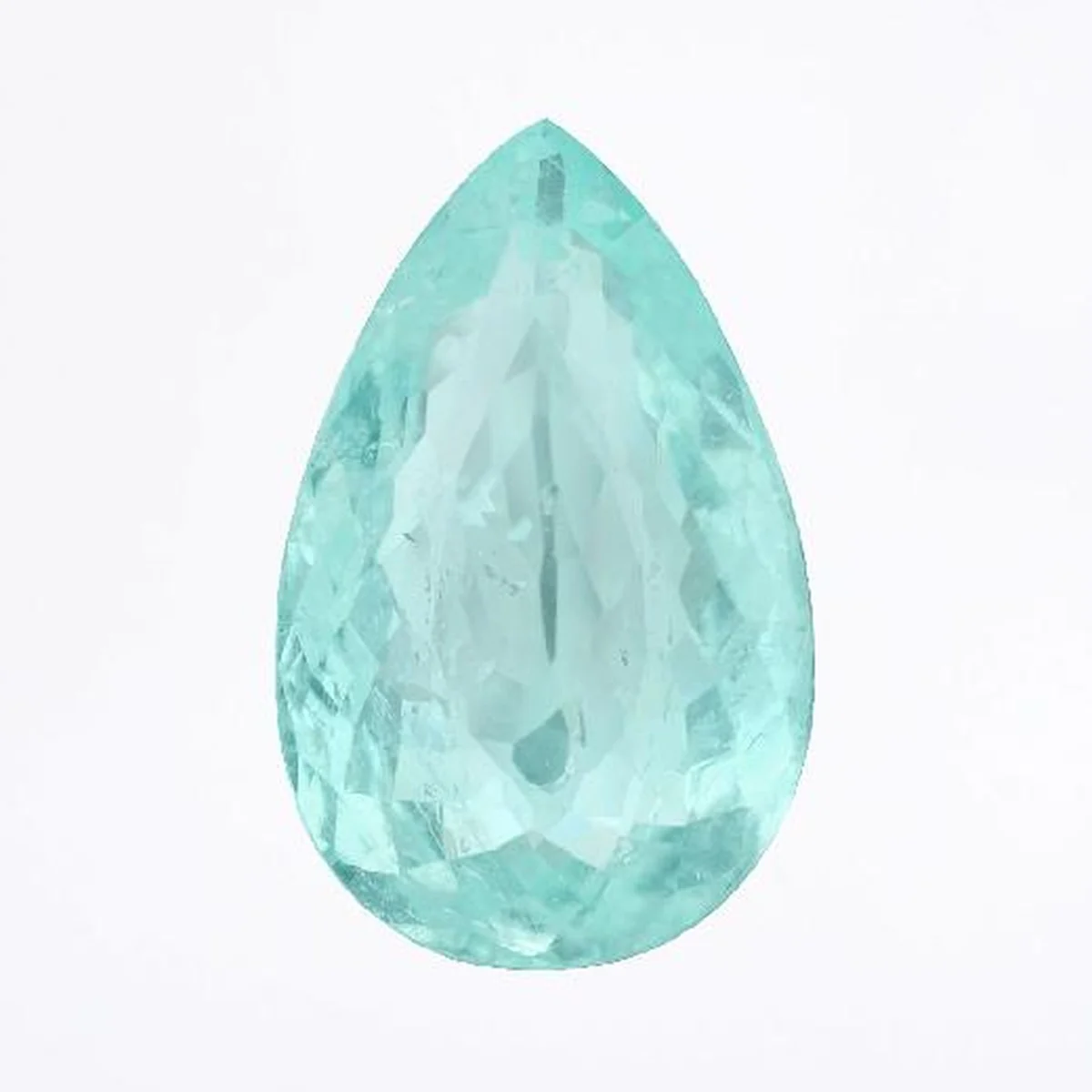
Our listings carry a treatment line. Our 22.75 ct tanzanite says heated, because nearly all tanzanite is. Our GIA reported Nigerian emerald records that the report found no clarity enhancement, and our GIA reported paraiba tourmaline records the clarity enhancement the report found.
If a listing leaves the treatment out, ask. A seller who knows the stone answers in one line. A seller who dodges has told you something.
Looking for a stone like this?
We keep stock in Bangkok and answer questions about grading, treatment and price without pressure.

Join the conversation
Ask a question or share what you have seen. We read every comment and reply to the good questions.
Loading comments